
How Food Shapes Our Memories and Emotions
Exploring the deep connection between what we eat and how we feel.

Food is never just about taste or nutrition — it’s deeply intertwined with our memories and emotions. The smells, flavors, and textures of certain dishes can instantly transport us back to childhood, special moments, or people we love. This powerful connection shapes not only our eating habits but also our emotional well-being. Let’s dive into how food influences memory and feelings across cultures and individuals.
The Power of Sensory Memory
Our senses, especially smell and taste, are closely linked to parts of the brain responsible for memory and emotion, like the hippocampus and amygdala. This is why the aroma of freshly baked bread or a familiar spice blend can instantly evoke vivid memories — whether it’s a grandmother’s kitchen or a festive celebration.
Comfort Foods and Emotional Healing
Many people turn to “comfort foods” during stressful or sad times. These dishes, often rich, familiar, and nostalgic, provide a sense of safety and warmth. Whether it’s chicken soup, chocolate, or a traditional family recipe, comfort foods help soothe emotional pain and restore a feeling of wellbeing.
Cultural Identity Through Food
Food is a key part of cultural identity and belonging. Recipes passed down through generations preserve heritage and family stories. Eating traditional foods can evoke pride, connection, and continuity, especially for those living away from their homeland. This emotional tie helps maintain cultural roots and resilience.
Food and Celebration: Marking Life’s Moments
Special occasions are often defined by unique foods — from birthday cakes to wedding feasts. These culinary traditions enhance emotional significance, creating lasting joyful memories associated with particular tastes and dishes. Sharing celebratory meals strengthens bonds and communal identity.
The Role of Food in Social Bonding
Sharing food fosters connection and trust among people. Eating together — whether family dinners, community gatherings, or casual meals — creates opportunities for communication, cooperation, and emotional support. Food thus acts as a social glue that nurtures emotional health.
Childhood Memories and Flavor Imprints
Many of our strongest food-related memories come from childhood. The flavors and meals we experienced early on leave lasting “imprints” that shape our preferences and emotional reactions to food throughout life. These early tastes often become comfort foods in adulthood.
Nostalgia and Food: A Universal Experience
Nostalgia linked to food transcends cultures. Whether it’s a traditional stew, a sweet treat, or a holiday dish, these flavors evoke a sense of longing and warmth, connecting us to past times and loved ones, no matter where we come from.
Food and Mood: The Chemical Connection
Certain foods can influence our mood by affecting brain chemistry. For example, chocolate can boost serotonin and endorphin levels, promoting feelings of happiness and relaxation. Nutrient-rich foods also support mental health by providing essential vitamins and minerals.
Food Rituals: Creating Emotional Stability
Daily or cultural food rituals — like morning tea, family dinners, or festive baking — provide structure and emotional stability. These routines create predictable moments of comfort and connection in an otherwise chaotic world.
The Role of Shared Meals in Grieving and Healing
In many cultures, sharing food plays an important role in mourning and healing processes. Communal meals after loss provide support, honor memories, and help people cope with grief through togetherness and nourishment.
Final Thoughts
The link between food, memory, and emotion reminds us that eating is a rich, multisensory experience. Our favorite dishes are not just recipes but vessels of history, love, and culture. Understanding this connection can encourage us to be more mindful about what and how we eat, embracing food as nourishment for both body and soul.
Next time you taste something familiar or comforting, take a moment to appreciate the memories and feelings it awakens — a beautiful reminder of the stories and people that shape who we are.
About the Creator
Widow invests $800,000 to start hawker culture experience centre in honour of late husband
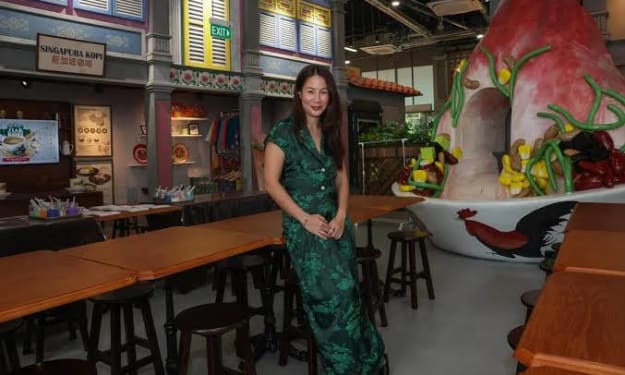
In a touching tribute to love, memory, and cultural heritage, a Singaporean widow has invested nearly $800,000 to establish a hawker culture experience centre dedicated to preserving and celebrating the vibrant food traditions that her late husband cherished throughout his life. The centre, which opened recently in Singapore, aims to provide visitors with an immersive journey into the country’s beloved hawker culture while honouring the legacy of a man who spent decades supporting local food vendors. The project was initiated by Lim Mei Hua, whose husband, Tan Wei Chong, passed away three years ago after a long illness. Tan was widely known among friends and family as a passionate supporter of traditional hawker stalls and frequently spent his weekends exploring different food centres across Singapore. According to Lim, the idea of creating a space dedicated to hawker heritage had long been one of her husband’s dreams. “He always believed that hawker culture was the heart of Singapore,” Lim said during the centre’s opening ceremony. “After he passed away, I wanted to do something meaningful that would keep his passion alive and allow future generations to understand why these traditions matter.” Singapore’s hawker culture is a cornerstone of the nation’s identity. The bustling open-air food centres, filled with vendors serving affordable and diverse dishes, reflect the multicultural roots of the country. In recognition of its cultural importance, UNESCO added Singapore’s hawker culture to its Representative List of the Intangible Cultural Heritage of Humanity in 2020. Lim’s experience centre is designed to showcase this heritage through interactive exhibits, live cooking demonstrations, and storytelling sessions led by veteran hawkers. Visitors can learn about the origins of iconic dishes such as Hainanese chicken rice, Laksa, and Char kway teow, while also exploring the personal journeys of the hawkers who prepare them. The centre includes a small exhibition gallery featuring photographs, kitchen tools, and handwritten recipes collected from hawker families across the city. Many of these items date back decades, offering a glimpse into how culinary traditions have been passed down through generations. One section of the centre recreates a traditional hawker stall environment, allowing visitors to experience what it feels like to work behind the counter during a busy lunch rush. Young participants can try their hand at simple cooking techniques while learning about the discipline and dedication required to master hawker cuisine. Local hawkers have warmly welcomed the initiative. Many worry that younger generations may be less interested in taking over family stalls, which often involve long hours and physically demanding work. By highlighting the cultural significance of these businesses, Lim hopes the centre will inspire renewed appreciation among the public. “Hawker food is not just about eating,” said veteran vendor Ong Kee, who participated in one of the centre’s demonstration sessions. “It’s about history, family, and community. Places like this help remind people why our traditions should continue.” Beyond cultural preservation, the experience centre also aims to support hawkers economically. A portion of ticket sales will be directed toward training programs for aspiring food vendors, helping them learn both traditional recipes and modern business skills. Lim believes this approach can help sustain the industry while adapting to changing times. Tourism officials in Singapore have also expressed optimism about the centre’s potential to attract international visitors interested in culinary experiences. Food tourism has become an increasingly important part of the country’s travel industry, with visitors eager to explore authentic local cuisine. For Lim, however, the centre’s true purpose goes far beyond tourism or business success. Every corner of the space reflects memories of her husband—his favorite dishes, the stalls he frequently visited, and the stories he loved to share. “Whenever I see people enjoying the exhibits or learning about hawker culture, I feel like his spirit is still here,” she said quietly. “This place is not just about the past. It’s about keeping something precious alive.” Through her remarkable gesture, Lim has transformed personal grief into a lasting tribute that celebrates love, heritage, and the enduring power of food to bring communities together. Her $800,000 investment ensures that the spirit of Singapore’s hawker culture—and the memory of the man who cherished it—will continue inspiring generations to come.
By Fiaz Ahmed 7 days ago in Feast
Chipotle Tattoo BOGO: The Story Behind the Burrito Deal
Sometimes a free burrito is more than just a meal. Sometimes it becomes a small cultural moment that people remember for years. The phrase chipotle tattoo bogo began as a strange mix of food, loyalty, humor, and internet culture. At first glance it sounds like a joke. Why would anyone get a tattoo for a burrito? But thousands of people actually did.
By Muqadas khanabout 13 hours ago in Feast
TUS NUA - ch 53
TUS NUA – ch 53 New Beginnings – Mia and Midnight (*)(*)(*) Finola knew Ali’s brother-in-law needed to put his mind at rest. She fed her arm through his and led him outside. “We’ll sit here. If you like, I can put a block around us so our conversation will be private.”
By Margaret Brennan5 days ago in Fiction



Comments
There are no comments for this story
Be the first to respond and start the conversation.