
All Bell Peppers Are Not The Same
Green, yellow, orange, and red peppers are different.


Even though they are all called bell peppers, they are different in many ways, including growing time, nutrients, taste, and cost.
The Differences Matter
Many people wonder why green, red, orange, and yellow bell peppers don't cost the same in grocery stores or at farmers' markets. Some even argue that they should be priced the same.
In reality, the different colors don't taste the same, nor do they have the same nutritional value. Bell peppers vary in more ways than color. The color of the pepper you choose should depend on how you plan to use it.
Why Do Peppers Come in Different Colors?
You may have wondered whether the different colors of bell pepper come from the same plant. They do! The colors are different because of the length of time they stay on the vine.
All bell peppers start out green and change color as they mature. If it's not picked, a green pepper will then become yellow, then orange, and finally red. The longer the pepper stays on the vine, the sweeter it becomes and the more nutritional value it has. Since they were not fully ripe when picked, green peppers are less nutritious than peppers that have matured to another color.
However, green peppers do have a longer shelf life than the other colors. Non-green peppers have a shorter shelf life and are typically more expensive because they require longer care on the vine.
Colors of Bell Peppers
The bell peppers commonly found in the produce section of grocery stores are green, yellow, orange, and red. Many additional colors exist, but they are rarely available in major stores. Dark purple, brown, white, and lavender varieties also exist and can sometimes be found at farmers' markets and specialty stores. Less common bell pepper colors include purple and white.
Why Do Some Colors Cost More Than Others?
People often wonder why bell pepper prices vary so much depending on color. Most store clerks don't even know why green peppers are cheaper than yellow, orange, and red ones. The answer is quite simple.
The yellow, orange, and red peppers are more expensive than the green ones because they are harvested later and spend more time on the vine. The green ones are the cheapest because they are picked earlier, while they are still unripe, and farmers no longer have to care for them on the vine.
The ripe yellow, orange, and red peppers available in stores are left on the plant longer, meaning they receive additional time, water, and care. The additional time and resources that go into cultivating ripe bell peppers are factored into their prices.
Green Bell Peppers
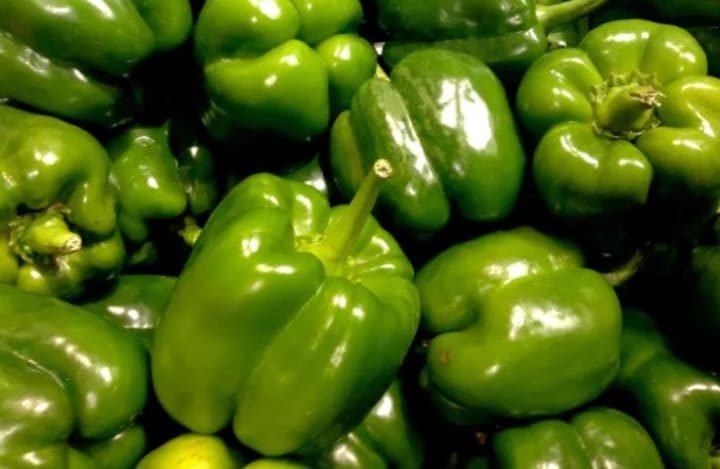
People purchase more green peppers than any other color—likely because they are the cheapest. All yellow, orange, and red bell peppers are green before they ripen. Because they are harvested before they are ripe, green peppers don't have as high a concentration of nutrients and aren't as sweet as the others.
Yellow Bell Peppers
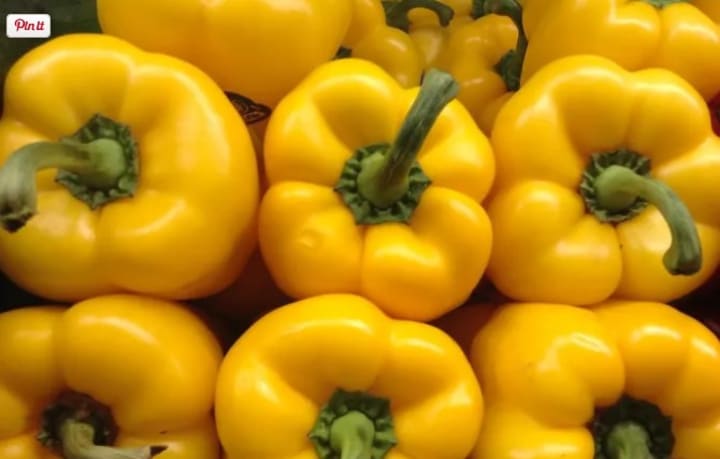
Yellow bell peppers are the first color to get ripe on the vine. They are less bitter, sweeter, have more nutrients, and are more expensive than green bell peppers.
Orange Bell Peppers

Orange bell peppers are ripe because they have stayed on the vine longer than green and yellow bell peppers. They had a longer time to become sweeter and less bitter than green ones. They have more nutrients and cost more than green and yellow bell peppers.
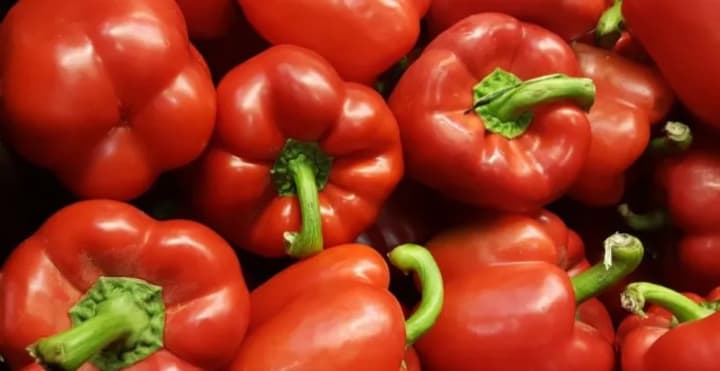
Red bell peppers have 11 times more beta-carotene, twice as much vitamin C, and 10 times more vitamin A than green bell peppers, which are harvested earlier.
The Taste of Bell Peppers
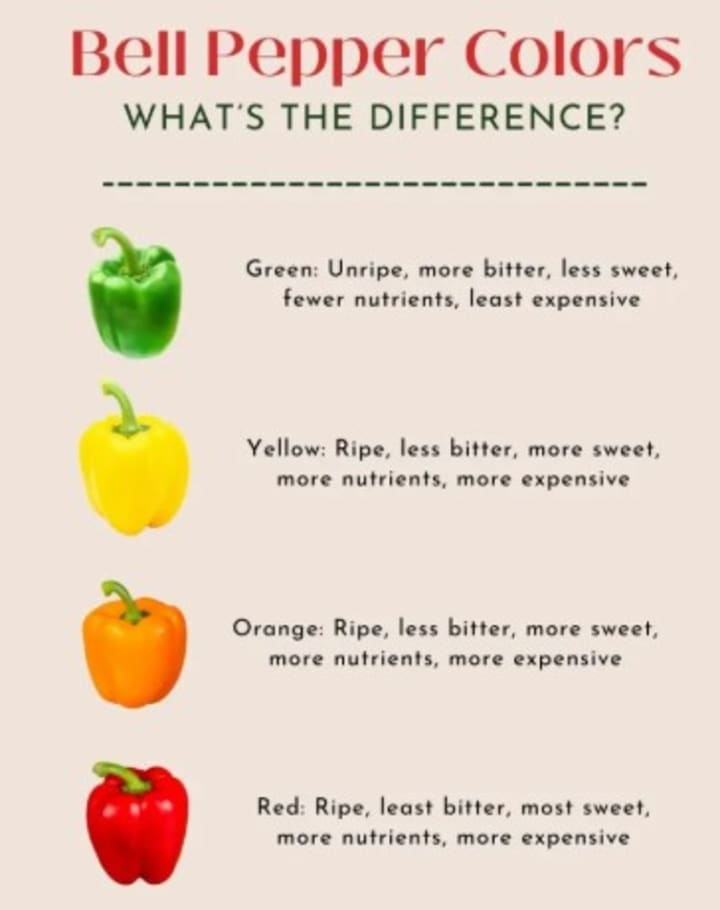
The taste of bell peppers depends on their colors. Check out the chart below to find out which bell peppers are bitter or sweet.
About the Creator
Margaret Minnicks
Margaret Minnicks has a bachelor's degree in English. She is an ordained minister with two master's degrees in theology and Christian education. She has been an online writer for over 15 years. Thanks for reading and sending TIPS her way.
Keep reading
More stories from Margaret Minnicks and writers in Feast and other communities.
Is the Condiment 'Ketchup' or 'Catsup'?
There is a debate about the words "ketchup" and "catsup." Some argue that there is a difference between the two and that their tastes are different because their ingredients are different. However, the main difference between ketchup and catsup is their spelling.
By Margaret Minnicks12 months ago in Feast
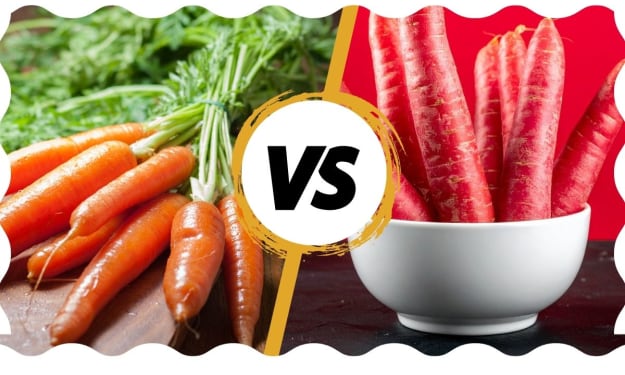
Orange vs Red Carrots
Carrots are among the most popular root vegetables around the world. They are widely appreciated for their natural sweetness, crunchy texture, and impressive nutritional value. While most people are familiar with orange carrots, many regions—especially in South Asia—also consume red carrots, particularly during winter. This often raises a common question: which carrot is better for health—orange or red?
By Stories Today5 days ago in Feast
Decaf Tea, The Ordinary Cup With Real Benefits
Decaf Tea, The Ordinary Cup With Real Benefits Many people think a cup of decaf tea is somehow weaker or pointless. That idea is not really true. The facts about decaffeinated tea show that it can be a very good choice, especially for people who want the comfort of tea without the strong effect of caffeine.
By George’s Girl 2026 a day ago in Feast



Comments
There are no comments for this story
Be the first to respond and start the conversation.