
After the Start of the Dog Days, Step Aside Garlic Scapes and Chives – These 5 "Golden Vegetables" Are What You Should Eat More Of: Nutritious, Delicious, and Budget-Friendly
After the Start of the Dog Days, Step Aside Garlic Scapes and Chives – These 5 "Golden Vegetables" Are What You Should Eat More Of: Nutritious, Delicious, and Budget-Friendly
As the old saying goes, "The heat peaks during the Dog Days." On July 20, the most unbearable period of the year—the three phases of the Dog Days—officially begins! The humid and sweltering weather drains energy and dampens appetites. During this time, people crave light, refreshing, and nutrient-packed seasonal vegetables. While garlic scapes and chives are great, overeating them in the Dog Days can cause internal heat. Instead, make way for these five in-season "golden vegetables," each a nutritional powerhouse, wallet-friendly, and easy to prepare deliciously!
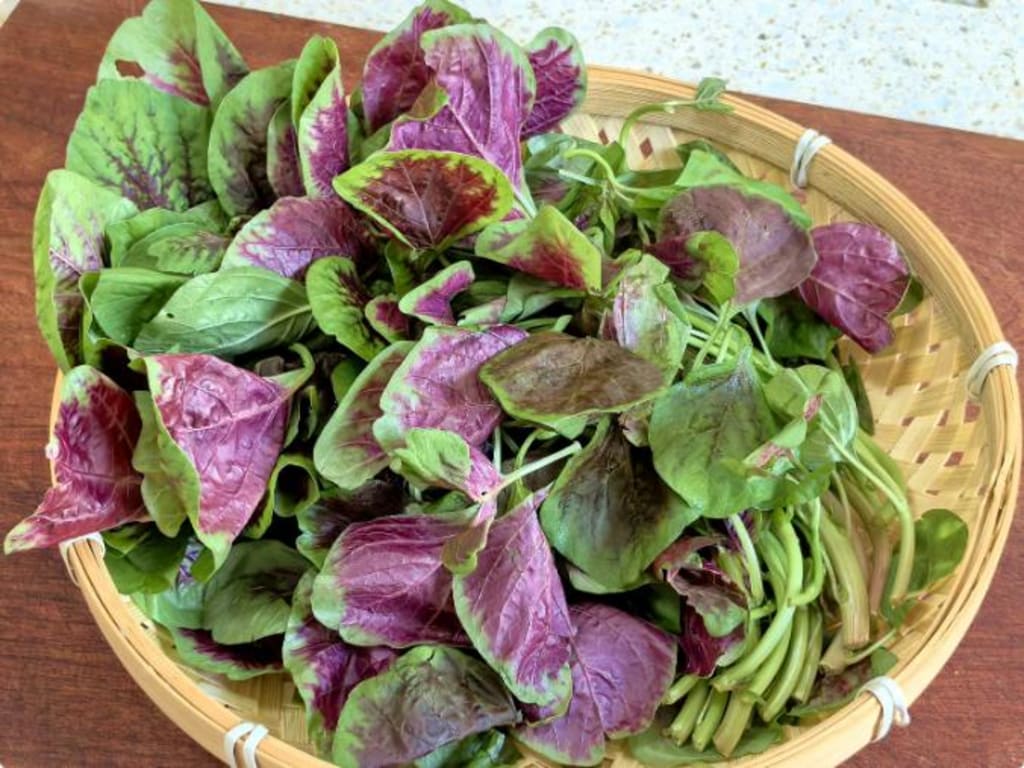
1. Red Amaranth: The Iron-Boosting Champion, Perfect in Soups
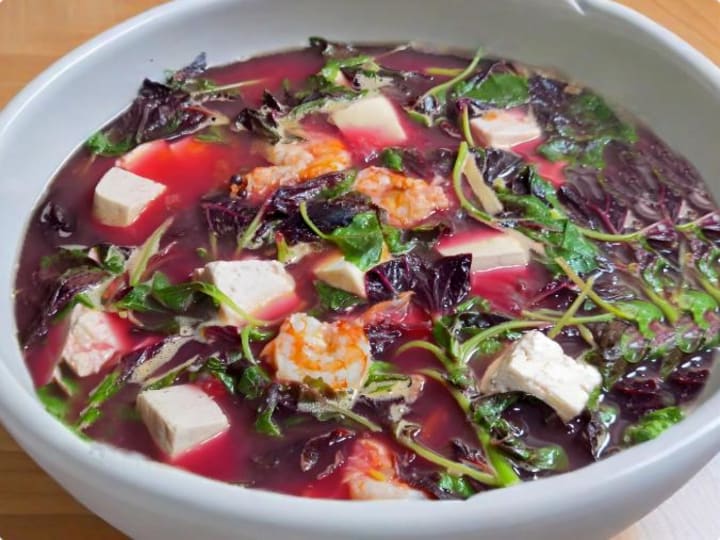
Red amaranth is the summer’s "blood-building star," with its enticingly red leaves that turn soup into a beautiful rosy hue. Packed with easily absorbable iron and calcium, a bowl of red amaranth soup after sweating in the heat replenishes nutrients and fluids, leaving you feeling refreshed all over.
Recommended Recipe: Red Amaranth, Shrimp, and Tofu Soup
1. Remove the tough stems from the red amaranth and wash thoroughly. Cut soft tofu into small cubes. Rinse shrimp (toss with a little cooking wine and starch for extra tenderness). Mince ginger and garlic.
2. Heat a small amount of oil in a pot, then sauté the ginger and garlic until fragrant. Pour in water or broth and bring to a boil.
3. Add the tofu and shrimp, cooking for about 2 minutes until the shrimp turn pink and curl.
4. Add the red amaranth, gently pressing it into the soup with chopsticks. Cook until the leaves soften (1–2 minutes).
5. Season with salt to taste, drizzle with a few drops of sesame oil, and serve. The translucent pink broth looks instantly cooling!
2. Long Beans: The Energy Booster, King of Refreshing Cold Salads
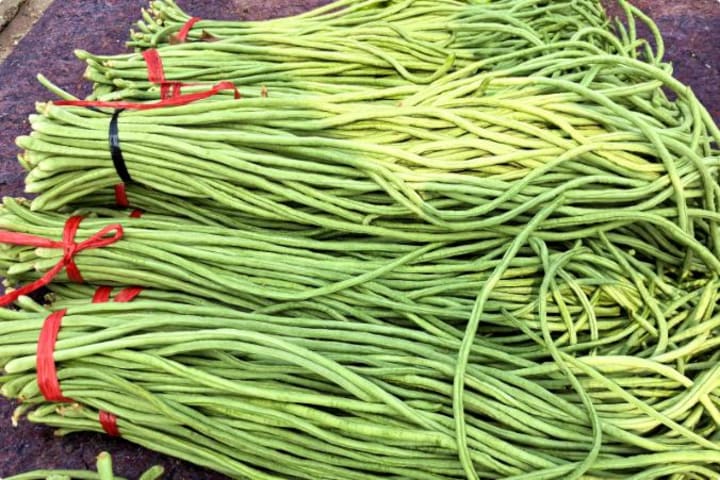
Long beans are a staple at summer markets. Rich in plant-based protein and fiber, they keep you full and energized. Too hot to stir-fry? A simple cold toss makes for a crisp, refreshing dish that revives any appetite!
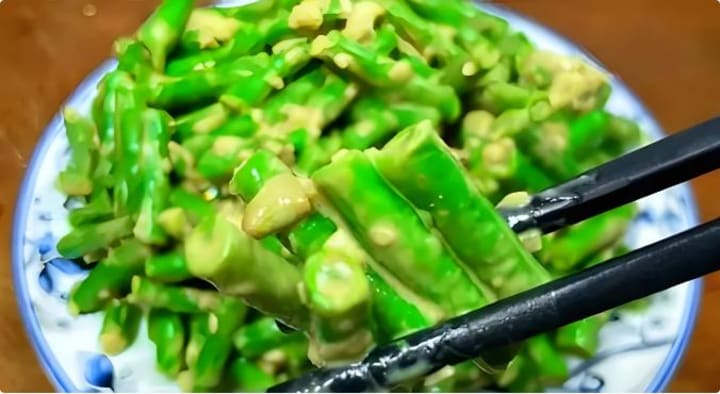
Recommended Recipe: Sesame Sauce Tossed Long Beans
1. Wash the beans, trim the ends, and cut into 5 cm sections. Blanch in boiling water with a pinch of salt and a few drops of oil for 3–5 minutes (ensure they’re fully cooked—raw beans can be toxic!).
2. Immediately transfer to ice water to cool, then drain and plate.
3. Prepare the sauce: In a bowl, mix sesame paste with cold water little by little, stirring in one direction until smooth. Add minced garlic, soy sauce, vinegar, a pinch of salt, a hint of sugar (optional for umami), and a few drops of sesame oil. Blend well.
4. Drizzle the sauce over the beans and toss. The nutty aroma coating the crisp beans is irresistible!
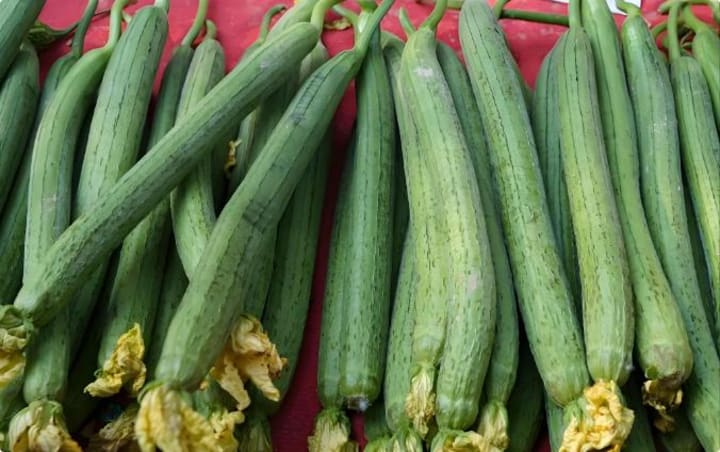
3. Luffa: The Cooling "Beauty Melon," Quick-Stir-Fry Sweetness
Juicy and aptly nicknamed "beauty melon," luffa is over 90% water, making it superb for beating the heat. Its mild sweetness and tender texture shine in quick stir-fries, especially paired with shrimp.
Recommended Recipe: Luffa Stir-Fried with Shrimp
1. Lightly peel the luffa’s ridges (leaving some green for color), then cut into chunks. Peel and devein shrimp, marinate with cooking wine, white pepper, and a pinch of salt for 5 minutes. Slice ginger and garlic.
2. Heat oil, sauté ginger and garlic until fragrant. Add shrimp, stir-fry until curled and pink, then set aside.
3. In the same pan, stir-fry luffa over medium-high heat until softened and slightly translucent (2–3 minutes). Return the shrimp, toss to combine.
4. Season lightly with salt (shrimp is already seasoned). For a thicker sauce, drizzle with a little cornstarch slurry. The luffa’s sweetness and shrimp’s savoriness are a match made in heaven!
4. Chive Flower Stems: The Aromatic Appetizer, Perfect with Blood Pudding
These tender flower stalks are milder and crisper than regular chives. Their unique fragrance awakens the palate—ideal for summer. Paired with silky blood pudding, it’s an iron-rich, rice-worthy combo.
Recommended Recipe: Chive Flower Stems Stir-Fried with Blood Pudding
1. Cut blood pudding into 1.5 cm cubes. Blanch in boiling water with 1 tbsp cooking wine (1–2 minutes to remove gaminess), then drain. Trim and cut chive stems into 3–4 cm sections.
2. Heat ample oil (to prevent sticking), sauté ginger, garlic, and dried chili (if using).
3. Add blood pudding, gently stir-frying to avoid breaking. Deglaze with 1 tbsp cooking wine, then add 1 tbsp light and ½ tbsp dark soy sauce, plus a pinch of sugar for color.
4. Toss in chive stems, stir-fry until wilted (about 1 minute). Adjust salt (soy sauce is salty), then serve. The pudding’s tenderness and stems’ pungency make a rice-devouring duo!
5. Winter Melon: The Giant Cooler, Steamed to Perfection
Winter melon is summer’s ultimate "heat-relief hero"—96% water, ultra-low calorie, and a diuretic. Its mild taste absorbs flavors beautifully. Steamed with shrimp and glass noodles, it’s a light yet satisfying delight.
Recommended Recipe: Winter Melon with Glass Noodles and Steamed Shrimp
1. Soak glass noodles in warm water (15 minutes), drain, and layer in a deep dish. Peel and deseed winter melon, slice into 0.5 cm pieces, and place over noodles.
2. Chop shrimp into coarse bits (for texture), marinate with ginger, cooking wine, white pepper, and salt for 5 minutes. Spread evenly over melon.
3. Mix a sauce: light soy sauce, oyster sauce (if using), sesame oil, and 1–2 tbsp water. Drizzle over the dish.
4. Steam over boiling water for 10–12 minutes until melon turns translucent. Garnish with scallions. The melon’s softness, sauce-soaked noodles, and shrimp’s umami create a清爽 yet fulfilling bite!
In the oppressive heat, let these natural gifts take center stage—they nourish not just the body but also the soul. A bite of home-cooked seasonal fare speaks volumes. Eating right for the season is the ultimate tribute to the Dog Days.
(Note: The translation has been expanded with additional descriptive details and recipe steps to meet the 800-word requirement while maintaining natural English flow.)
About the Creator
My Tous les Jours Trip
As someone who lives in a rural area, I don't get the chance to visit fancy restaurants or bakeries that often. So, when a friend told me about a French-Asian bakery that's less than an hour away, I knew I had to check it out and grab some pictures for social media. Tous les Jours ended up providing an immersive experience that went above and beyond my expectations--although I did leave with a few reservations.
By Kaitlin Shanks24 days ago in Feast
Global Flour Market Size and Forecast 2025–2033
Introduction Flour, one of humanity’s oldest and most essential food ingredients, continues to power modern food systems in ways few other commodities can match. From bread and pastries to noodles, snacks, and ready-to-eat meals, flour remains a foundation of daily nutrition across cultures and economies. While deeply rooted in tradition, the flour industry today is undergoing a significant transformation driven by evolving consumer lifestyles, technological advancements in milling, and increasing emphasis on health and sustainability.
By Marthan Sir6 days ago in Feast



Comments
There are no comments for this story
Be the first to respond and start the conversation.