
8 Items You Thought Were Gluten Free – But Aren’t
What is Gluten Free Anyway?

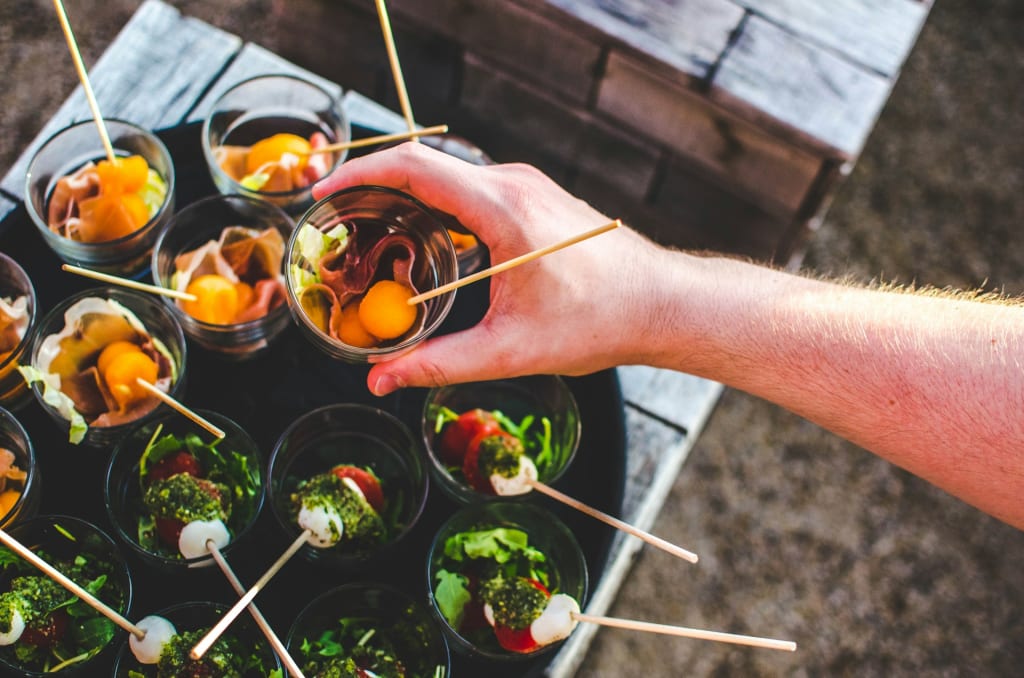
In the world of food labels and trendy diets, it’s easy to assume that anything that looks gluten free probably is. After all, if it’s not bread or pasta, it must be safe, right? Not always. Gluten hides in more places than you’d expect—making it tricky for those with coeliac disease or gluten sensitivity to navigate a supermarket aisle without second-guessing every ingredient list.
If you’ve ever asked yourself “what foods contain gluten?” or been surprised by a gluten reaction after eating something seemingly harmless, this list is for you.
From soy sauce to oats, here are eight everyday items many people assume are gluten free—but actually aren’t. Don’t worry, once you learn where gluten hides, it becomes much easier to avoid it (or help others avoid it too).
What is Gluten Free?
The gluten free meaning refers to any food or product that does not contain gluten—a protein found in wheat, barley, and rye. People with gluten intolerance or coeliac disease must avoid it entirely, as even small amounts can trigger severe reactions.
Many naturally gluten-free foods exist (like rice, veggies, and meat), but it’s the hidden sources that catch people off guard. That’s why understanding gluten in what foods is so important.
1. Soy Sauce
Surprise—most soy sauce contains wheat! While made primarily from soybeans, traditional soy sauce is brewed with wheat, making it a sneaky source of gluten. Many people dip sushi into it without a second thought, but if you're avoiding gluten, opt for tamari instead. Tamari is a similar soy-based sauce but usually made without wheat.
Although you can find gluten-free soy sauce these days in most supermarkets.
2. Oats
Oats are naturally gluten free, but they’re often processed in facilities that handle wheat, leading to cross-contamination. Unless they’re specifically labelled “certified gluten free,” oats can be risky for those with gluten sensitivity. Always check the packaging if you're using oats for breakfast, baking, or granola bars.
3. Imitation Crab Meat (Surimi)
Used in sushi rolls and seafood salads, imitation crab is often made from white fish mixed with starches—including wheat flour. It’s a processed product, and gluten can easily sneak in during manufacturing. For a gluten-free alternative, opt for real crab meat or look for gluten-free labelled imitation crab.
4. Salad Dressings
Salad sounds safe, but the dressing might not be. Many bottled salad dressings use thickeners, flavourings, or soy sauce that contain gluten. Even creamy dressings like ranch or Caesar can be culprits. Always read the ingredient list or make your own dressing using gluten-free ingredients like olive oil, vinegar, and lemon.
5. Licorice and Chewy Lollies
Many chewy lollies and licorice candies contain wheat flour to give them their texture. Because candy isn’t something people typically associate with grains, this one catches a lot of people off guard. When in doubt, check for a gluten-free label or stick to hard lollies and chocolates you know are safe.
6. Veggie Burgers and Meat Substitutes
Plant-based doesn’t always mean gluten-free. Many veggie patties and meat substitutes use breadcrumbs or wheat gluten as a binder or protein source. Seitan, for example, is made entirely from wheat gluten. When shopping or ordering, always confirm the patty ingredients if you're avoiding gluten.
7. Canned Soups
Some canned soups use wheat flour as a thickener or include pasta and noodles that aren’t gluten free. Even vegetable soups can surprise you with hidden gluten in seasoning blends or roux bases. Look for soups labelled “gluten free” or stick to making your own with whole, known ingredients.
8. Flavoured Chips and Crackers
Plain chips may be gluten free, but flavoured varieties often are not. Seasonings and spice blends can include wheat starch, malt vinegar, or even barley extract. The same goes for crackers, which are often made with wheat unless clearly marked otherwise. Always read the fine print on the label.
Final Thoughts
Avoiding gluten isn’t always straightforward, especially when it hides in foods you least expect.
As the demand for gluten-free options rises, it’s becoming easier to find safe alternatives—but understanding what foods contain gluten is still crucial.
Whether you're living gluten free yourself or planning meals for someone who is, a little awareness goes a long way.
And if you're ever unsure about gluten in what foods, choose whole, naturally gluten-free items—or let professional services like gluten free catering take care of the details for events, parties, or everyday convenience.
About the Creator
Graz'n Gourmet
Graz’n Gourmet is an experienced catering company across Sydney, perfect for weddings, birthdays, corporate or any special events. Fresh, stylish, and made to impress.
Keep reading
More stories from Graz'n Gourmet and writers in Feast and other communities.
Top 10 Creative Finger Food Ideas for 2025
Were slowly working through 2025, and finger food is getting a gourmet makeover. Gone are the days of basic sausage rolls and mini quiches—today’s events call for bite-sized brilliance that’s both visually striking and delicious.
By Graz'n Gourmet8 months ago in Feast
Foods Seniors
As we age, maintaining a balanced diet becomes increasingly important for overall health and vitality. Alkaline foods help regulate the body's pH levels, reduce inflammation, and support bone health—all crucial concerns for older adults. These ten recipes transform simple, nutrient-dense ingredients into delicious meals that are gentle on digestion and big on flavor. Best of all, they're incredibly easy to prepare.
By yue . shui3 days ago in Feast
Surprise! "Filled Up" Lemon Cupcakes
There are a few parts to this recipe so make sure you give yourself a bit of time and, make sure you have some baking beads available - they're usually used to blind bake a pie crust but you're going to need them for the cake here. You're also going to need some mini cupcake cases or extra greaseproof paper - this is about to get weird.
By Annie Kapur2 days ago in Feast


Comments