
What is a Noun?
Understanding Nouns: The Building Blocks of Language
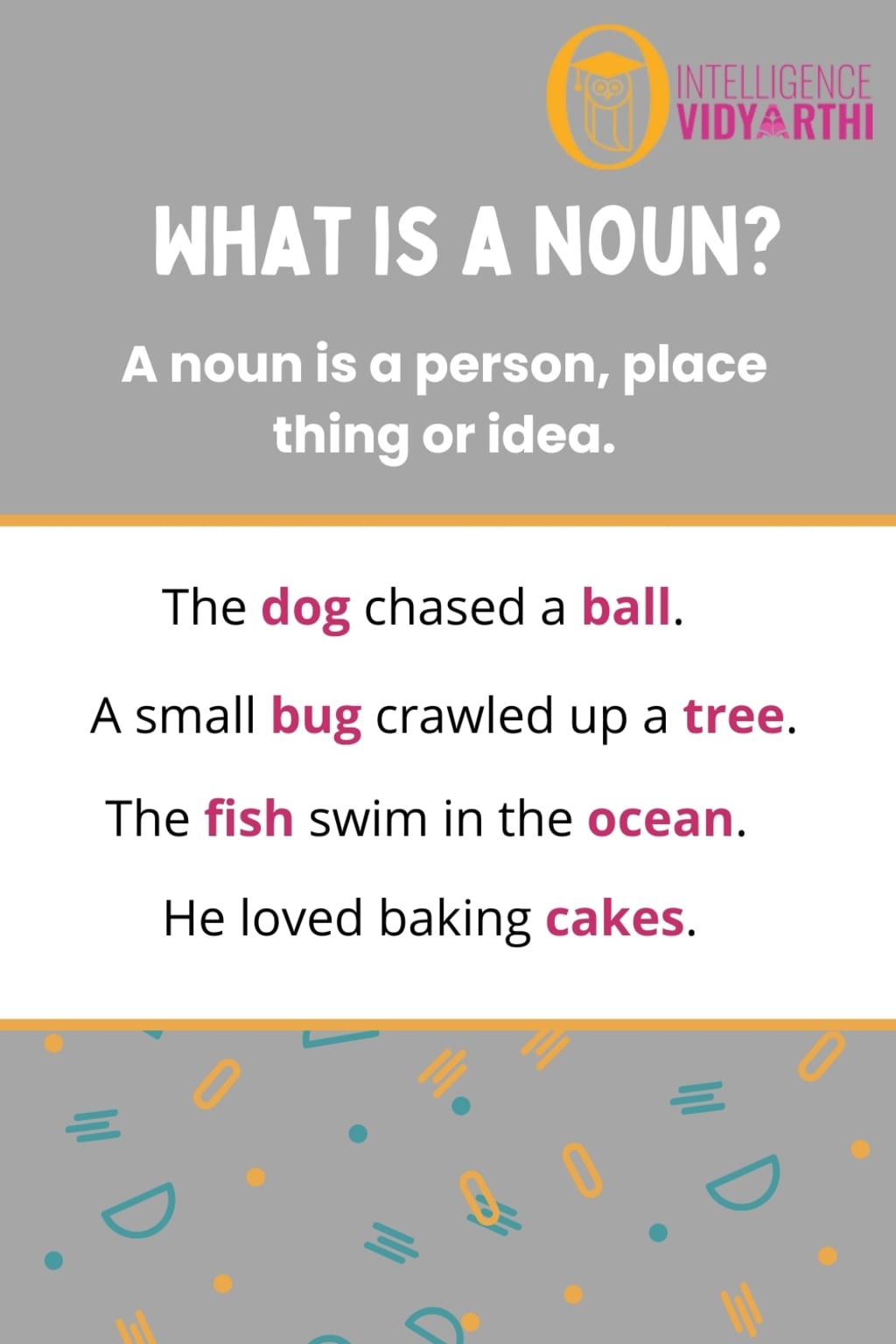
When we talk about language, we often focus on the complexity and beauty of the words we use. Among these, nouns play a fundamental role. They are the backbone of our sentences and the key to effective communication. But what exactly is a noun, and why is it so important in our everyday language?
At its core, a noun is a part of speech that names a person, place, thing, or idea. It is one of the essential building blocks of grammar. Without nouns, it would be challenging to convey specific information or express clear thoughts. Think about it: when you name your friend, describe a location, refer to an object, or talk about a concept, you are using nouns.
Nouns can be broadly classified into several categories, each serving a different function in a sentence:
Proper Nouns: These refer to specific names of people, places, or organizations. For example, “Sarah,” “New York,” and “Microsoft” are proper nouns. They are always capitalized to indicate their specificity.
Common Nouns: Unlike proper nouns, common nouns are general names for things or concepts. They refer to non-specific items or people, such as “city,” “dog,” or “happiness.” Common nouns are only capitalized when they begin a sentence or are part of a title.
Abstract Nouns: These nouns represent intangible concepts or ideas that cannot be touched or seen. Examples include “freedom,” “love,” and “wisdom.” Abstract nouns often describe feelings, qualities, or conditions.
Concrete Nouns: These are nouns that refer to tangible objects or entities that can be perceived through the senses. Examples include “apple,” “car,” and “building.” Concrete nouns are things you can see, touch, or experience in some way.
Collective Nouns: These nouns denote a group of individuals or things considered as a single unit. For instance, “team,” “flock,” and “family” are collective nouns. They help us talk about groups efficiently without listing each member individually.
In sentences, nouns often serve as subjects or objects. The subject is the noun that performs the action of the verb, while the object is the noun that receives the action. For example:
In the sentence, “The cat sleeps,” “cat” is the subject noun because it is performing the action of sleeping.
In “She reads a book,” “book” is the object noun because it is receiving the action of reading.
Understanding the role of nouns in a sentence helps in constructing clear and coherent statements. They provide the essential details about who or what we are talking about.
Nouns are vital for a variety of reasons:
Clarity: They help specify what or who we are discussing, making communication clearer.
Detail: They provide important details that enhance our descriptions and narratives.
Structure: They form the core components of sentences, influencing the overall structure and flow of language.
In summary, nouns are indispensable to effective communication. They name everything from concrete objects to abstract concepts, helping us to articulate thoughts and share ideas. Whether you’re crafting a story, writing an essay, or simply having a conversation, nouns are the key elements that make your language meaningful and precise. Understanding and using nouns correctly enriches our ability to convey messages and connect with others.
About the Creator
SAKSHEE SHUKLA
https://intelligencevidyarthi.in/course_details?table_manners_&_etiquettes&cm=MTc=
Keep reading
More stories from SAKSHEE SHUKLA and writers in Education and other communities.
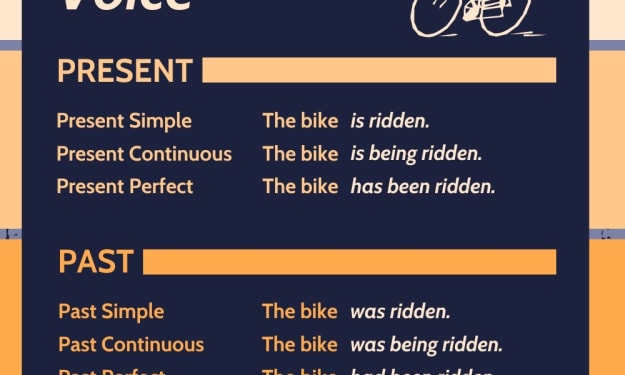
Passive Voice - All Tenses
The passive voice can often feel like a tricky concept in English grammar. Unlike the active voice, which emphasizes who is performing the action, the passive voice shifts focus to the action itself and its recipient. This shift is particularly useful in various contexts, from academic writing to everyday communication. Here’s a comprehensive guide to understanding the passive voice across different tenses.
By SAKSHEE SHUKLAabout a year ago in Education
Smart Storage & Grading for U.S. Coin Collections: a Checklist
Phase 1: First Aid for Your Collection (The 24-Hour Triage) Before buying any special supplies, you need to perform some emergency triage. Think of this as stopping the bleeding. The goal here is to prevent any active damage right now.
By Laura Bennettabout 20 hours ago in Education
How Neuroscience Is Changing the Way We Learn
In recent decades, advances in neuroscience have reshaped our understanding of human learning. Rather than viewing learning as merely memorizing facts, researchers now see it as a biological process that physically and functionally changes the brain. This shift in perspective — from teaching content to understanding how the brain learns — is transforming educational theory, classroom practice, and lifelong learning strategies across the globe.
By Games Mode Onabout 19 hours ago in Education


Comments
There are no comments for this story
Be the first to respond and start the conversation.