
How Neuroscience Is Changing the Way We Learn
Educational Neuroscience: Bridging Brain Science and Teaching

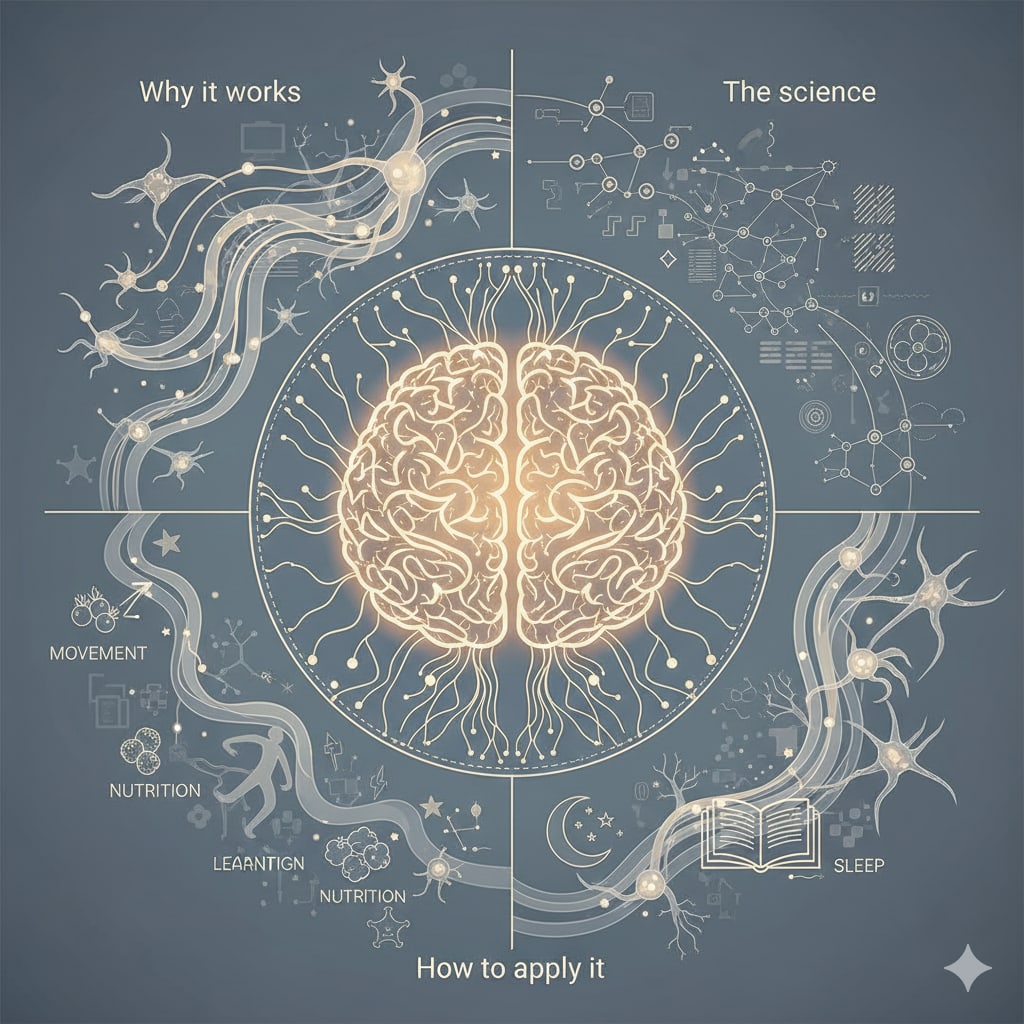
In recent decades, advances in neuroscience have reshaped our understanding of human learning. Rather than viewing learning as merely memorizing facts, researchers now see it as a biological process that physically and functionally changes the brain. This shift in perspective — from teaching content to understanding how the brain learns — is transforming educational theory, classroom practice, and lifelong learning strategies across the globe.
The Brain Is Not Static — It Changes With Learning
One of the most foundational discoveries in neuroscience is neuroplasticity — the brain’s ability to reorganize itself by forming new neural connections throughout life. Early beliefs held that the brain was largely fixed after childhood, but modern research shows it remains adaptable well into adulthood. When we learn a new skill or concept, specific neural pathways strengthen, and unused connections weaken. This is not metaphorical — it’s a measurable, physical change.
For example, studies using magnetic resonance imaging (MRI) have shown that reading instruction can actually alter the brain circuits involved in processing written language. As children learn to decode letters and words, circuits originally tuned to recognize faces and objects reconfigure to support literacy. With practice, these circuits become more efficient, enabling faster word recognition and comprehension.
Educational Neuroscience: Bridging Brain Science and Teaching
The emerging field of educational neuroscience seeks to connect rigorous brain research with practical classroom teaching. Educational neuroscientists study how learning changes the nervous system and then work with educators to interpret these findings in ways that can improve instruction and support diverse learners.
One key insight from this field is that biological factors — such as sleep, nutrition, stress, and emotions — influence learning capacity. For example, moderate stress can enhance attention and memory, while chronic high stress impairs cognitive processes. Likewise, adequate sleep and regular exercise have been shown to strengthen memory consolidation and improve executive functions, such as planning and working memory.
Individualized Learning Based on Brain Diversity
Neuroscience also helps explain why students learn differently. Biological differences contribute to variations in how quickly individuals acquire skills such as reading or math, as well as how they respond to different teaching methods. Research into conditions like dyslexia and dyscalculia has revealed brain‑based mechanisms underlying these learning difficulties. This understanding enables educators to design more effective, targeted interventions that address specific neural challenges.
Importantly, the brain’s plasticity means that these challenges are not fixed deficits — they reflect differences in development that can be influenced by experience and instruction. Knowing this encourages educators to move beyond one‑size‑fits‑all approaches and toward personalized support tailored to students’ unique neural profiles.
Rethinking Teaching Methods Through Neuroscience
Traditional approaches to learning often emphasize passive absorption of information — listening to lectures or memorizing facts. Neuroscience, however, highlights the power of active engagement and repetition in making learning stick.
Active learning strategies that require students to manipulate information — such as explaining a concept in their own words, solving problems collaboratively, or applying knowledge in real contexts — stimulate multiple neural connections at once. These robust networks are more likely to be retained than information received passively.
Likewise, research supports the use of spaced repetition, where information is revisited several times over increasing intervals. This pattern of practice aligns with the brain’s natural mechanisms for consolidating long‑term memory, making retention far more effective than cramming.
Emotion and Motivation: Essential Drivers of Learning
Brain research also shows that emotion and motivation are not peripheral to learning — they are central to it. Brain areas involved in emotion, such as the limbic system, interact closely with cognitive regions responsible for memory and decision‑making. When students are curious, interested, or emotionally engaged, their brains release neurotransmitters like dopamine that enhance attention and memory formation.
This insight explains why meaningful, relevant tasks — not rote drills — produce deeper learning. Educators who connect material to students’ lives and interests are tapping into the brain’s natural inclination to learn.
Challenges and Cautions in Applying Neuroscience to Education
Despite the promise of neuroscience to inform teaching, scientists and educators caution against oversimplifying or misapplying findings. Not all brain research directly translates to classroom practice, and some so‑called “brain‑based” lessons circulating online lack solid evidence. The Royal Society’s comprehensive review warns that while neuroscience provides valuable insights, practical applications are often still under development and must be used with scientific caution.
One reason is that the brain is complex, and learning involves not only neural mechanisms but also psychological, social, and cultural factors. Translating laboratory findings into teaching strategies requires careful interpretation and often collaboration between neuroscientists, psychologists, and educators.
The Future: Lifelong, Brain‑Aligned Learning
Neuroscience is also reshaping ideas about education beyond formal schooling. Because the brain remains plastic throughout life, opportunities for learning and cognitive improvement continue long into adulthood. This supports the growing emphasis on lifelong learning — acquiring new skills or adapting to changing careers.
Moreover, insights from neuroscience are influencing the development of new learning technologies. Adaptive learning systems, which adjust instruction based on real‑time performance, are designed to mirror the brain’s natural processes for strengthening neural connections. Others aim to help learners become more self‑aware — building “metacognition,” or the ability to think about thinking — which research shows can significantly improve learning outcomes.
Conclusion: A New Era for Learning
In sum, neuroscience is revolutionizing the way we understand learning — not as a static transfer of knowledge, but as a dynamic, biological process that shapes the brain itself. By highlighting the brain’s remarkable adaptability, education becomes less about filling empty vessels and more about nurturing evolving minds. While challenges remain in translating scientific findings into everyday classrooms, the collaboration between neuroscientists and educators promises a future in which teaching and learning are informed by how brains actually work.
About the Creator
Keep reading
More stories from Games Mode On and writers in Education and other communities.
Turning a History Lesson Into an Escape Room Game
History is often taught through lectures, textbooks, and timelines — methods that can feel dry and distant. But what if students could experience history instead of just reading about it? One of the most engaging ways to do this is by transforming a history lesson into an escape room game. This interactive approach combines problem-solving, teamwork, and storytelling to make history memorable and exciting.
By Games Mode Onabout 6 hours ago in Education
Beyond Deals: Building Alliances That Truly Scale
Strategic partnerships for growth help companies expand faster and smarter. They enable two or more businesses to work together to create shared value. Each partner brings skills, reach, or resources that the other lacks. When done right, strategic partnerships create long-term growth that feels natural and steady.
By Rushi Manche7 days ago in Education



Comments
There are no comments for this story
Be the first to respond and start the conversation.