
You and Me and Baby Makes Three
Loving wild animal couples



Albatrosses are known for their amazing wingspan and the partnership they form for life. After choosing a mate, when these seabirds are gliding over oceans and separated for long periods of time, they return to their chosen mate. Their courtship involves dancing and calls. Albatrosses are symbols of faithful companionship over time and distance.
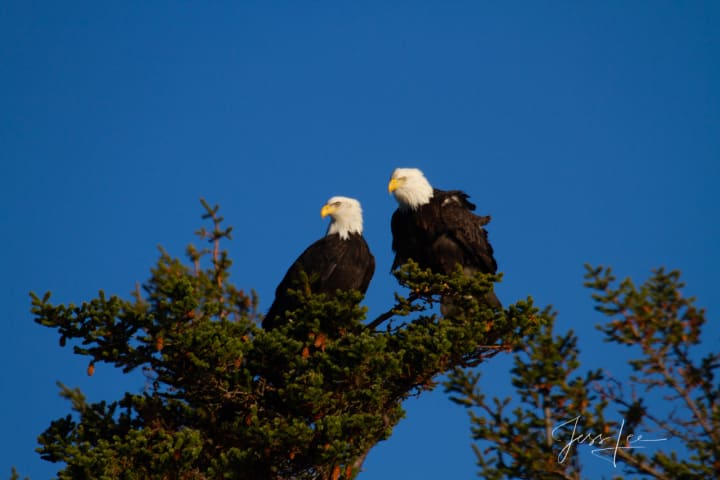
North American birds of prey, bald eagles, are known for their monogamous relationships. These birds mate for like and build huge nests high up in the trees. They work as a team of loving parents to nurture their young eaglets and share responsibilities. Their bond between each other is strengthened through synchronized flight displays, a lovely dance in the sky. Even though it rarely happens, if one mate dies, the surviving eagle will search for a new mate.

Barn owls have long been symbols of mystery and wisdom. They are also known for their monogamous relationships. Once these nocturnal birds mate, they remain together, forming a tight bond, and hunt and roost in perfect harmony. They raise their owlets together. Their mysterious calls in the night speak of a deep and enduring love.

Beavers are known as engineers in nature, building dams and working together to construct them and lodges, expressing dedication and teamwork. Both beaver parents contribute to their shared home and raise their kits by teaching them the skills they need for survival. These couples show strength in unity and shared purpose.
These birds might not be beautiful, but black vultures are beautiful to one another. (pictured above) They form devoted pairs in the southeastern US, and their relationships are all about cooperation, and they can be seen preening each other’s feathers. They hunt for food together, and both parents nurture and protect their young.

The small antelopes, dik-diks of Africa, are from monogamous relationships, forming tight bonds and staying together for life. Their coupling is essential for survival in the harsh savanna, and they rely on one another for companionship and protection. Dik-diks communicate with soft whistles.

Gray wolves prefer a single mate, and within a wolf pack, the alpha pair leads the others as a devoted couple. It is this partnership that is crucial for their survival and the success of the wolf pack. Wolves work together whether raising pups or hunting. The alpha pair’s relationship is based upon trust and cooperation.
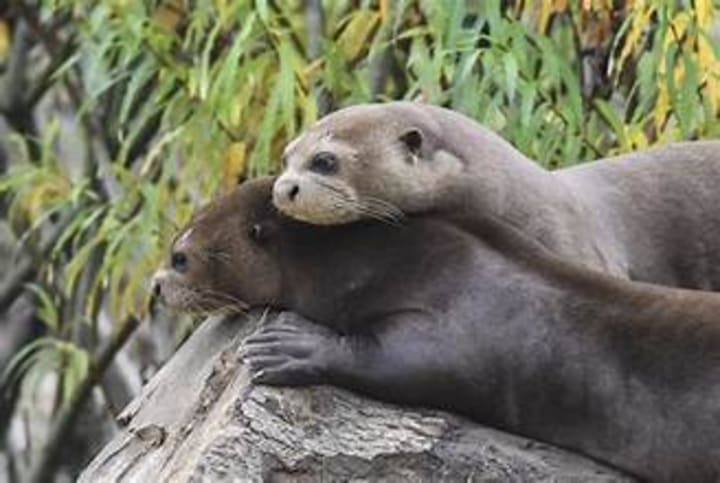
Native to South America, giant otters are known for being social and forming strong monogamous bonds. They can be seen playing and swimming together in rivers. When it comes to raising baby otters, both parents get involved in nurturing and protecting their young. Their bonds are based in love and teamwork.

Gibbons are small apes native to Southeast Asia and are known for their lifelong and successful relationships. They form monogamous pairs and can be seen grooming and playing together high up in the forest canopy. They sing duets with their partners to solidify their relationship in perfect harmony. When baby gibbons come along, they ensure the survival of their family unit with their affectionate and enduring mating.
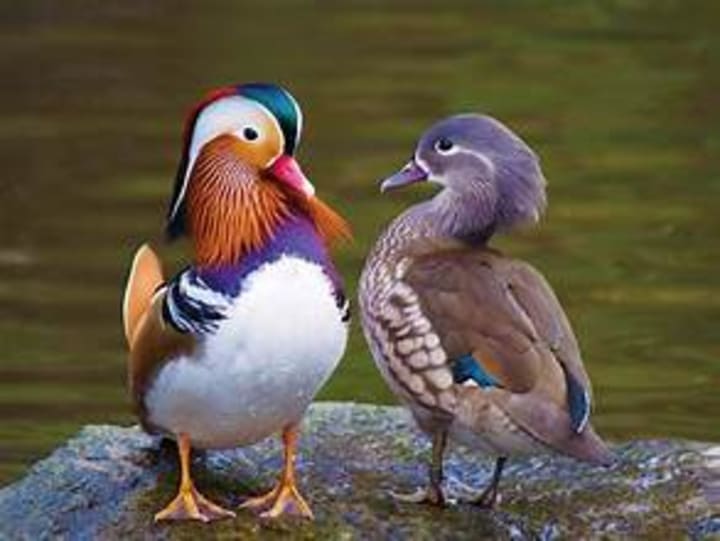
Beautiful and colorful mandarin ducks who show true devotion when it comes to coupling and form lifelong bonds. They can be seen swimming in synchronization. Their relationships are a blend of loyalty and grace.
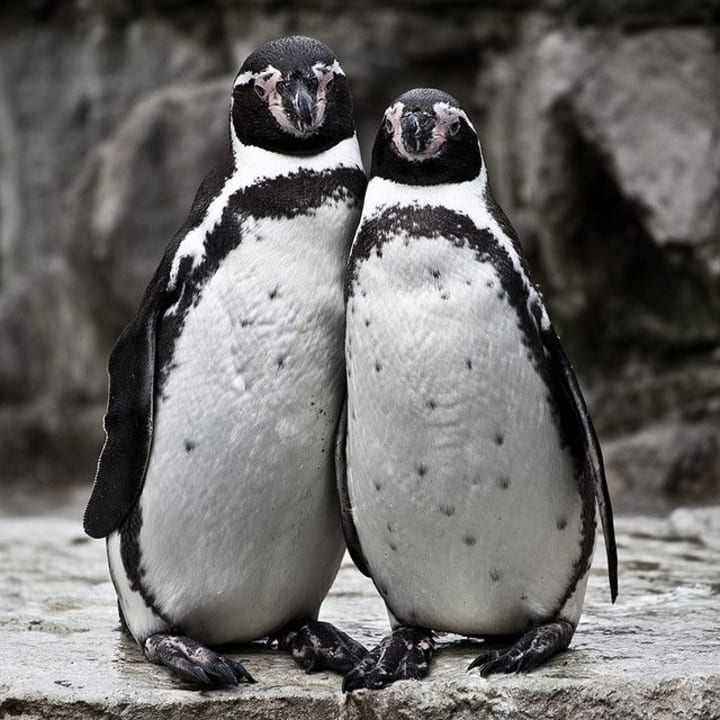
Penguins, particularly emperor penguins, are known to be dedicated to their mates, keeping warm together in the Antarctic. When breeding season comes, the penguins participate in coordinated movements and vocalizations to strengthen their bond. Both male and female takes turns keeping their eggs warm. They are true symbols of perseverance and love in a harsh environment.

Colorfully beaked puffins are known as dedicated partners and form lifelong bonds. They return to the same mate each breeding season. These seabirds nest on rocky cliffs and work together to raise their chicks in bustling bird colonies. They show true teamwork taking turns to watch over their nests and go hunting.

Sandhill cranes are known for their monogamous bonding and celebrate it with elegant dancing during their courtship. Even though these birds migrate long distances, their commitment to one another stays true.
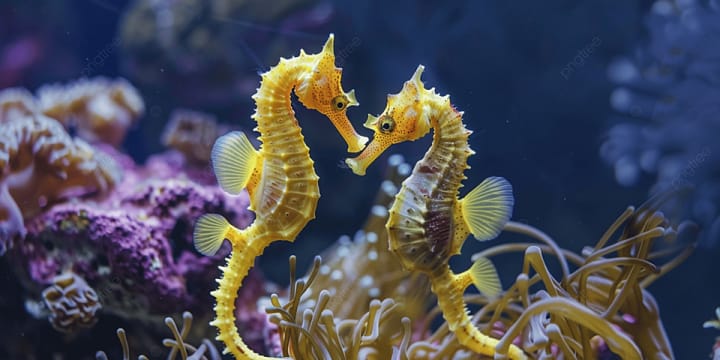
Seahorses have enduring monogamous relationships. They engage in a daily dance, wrapping around each other to reinforce their bond. Male seahorses carry the young, and their commitment to each other and raising their young is a lovely example of equality and understanding.
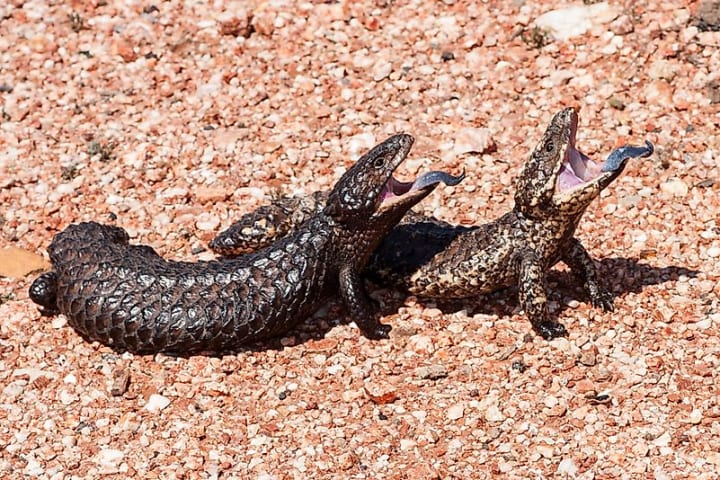
Native to Australia, shingleback skinks show romance in the reptilian world. These lizards form lifelong bonds and can be seen basking in the sun together. During mating season they can be seen nudging each other and following along closely. They show true devotion.
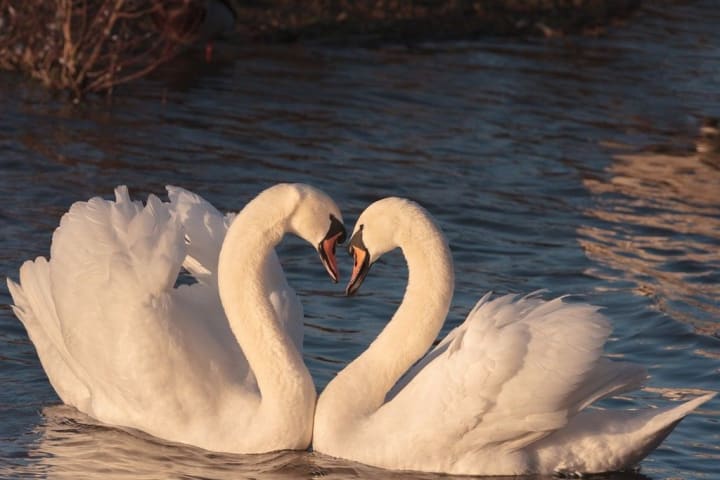
Swans know all about romance in the wild and form lifelong monogamous bonds. They can be seen gliding through the waters in pairs. Finding a partner, swans engage in elaborate courtship dances and rituals. When little cygnets come along, they are devoted parents working together to build nests and raise them. The sight of a swan couple is a poetic reminder of never ending love.
About the Creator
Rasma Raisters
My passions are writing and creating poetry. I write for several sites online and have four themed blogs on Wordpress. Please follow me on Twitter.
Keep reading
More stories from Rasma Raisters and writers in Earth and other communities.
Spotlight on the Risks of An Exploding Sea Urchin Population
The marine ecosystem is a complicated place full of millions of species and hundreds of thousands of critically interdependent relationships. While the decline of some species populations might have only marginal effects on the health of the world’s oceans, others could set off a chain of events that could ultimately be catastrophic.
By Virginia Chipurnoiabout 3 hours ago in Earth



Comments
There are no comments for this story
Be the first to respond and start the conversation.