
Upon the Waves of the Atlantic
Creatures in the Atlantic Ocean

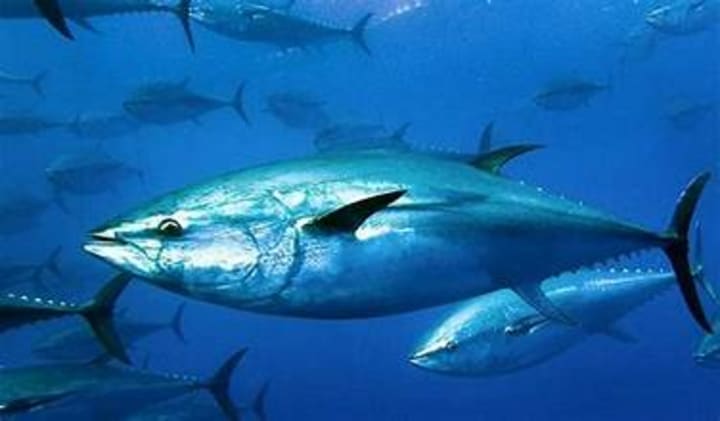
Bluefintuna are fish that have a high tolerance for disparity in temperatures since they have the ability to keep warm. These fish have a metallic blue color that blends into their environment. With their streamlined bodies, they can build up speed gliding through the water. They feed on herring, mullet, mackerel, squid, crabs, and shrimp. They’re known for traversing the Atlantic Ocean repeatedly each year.
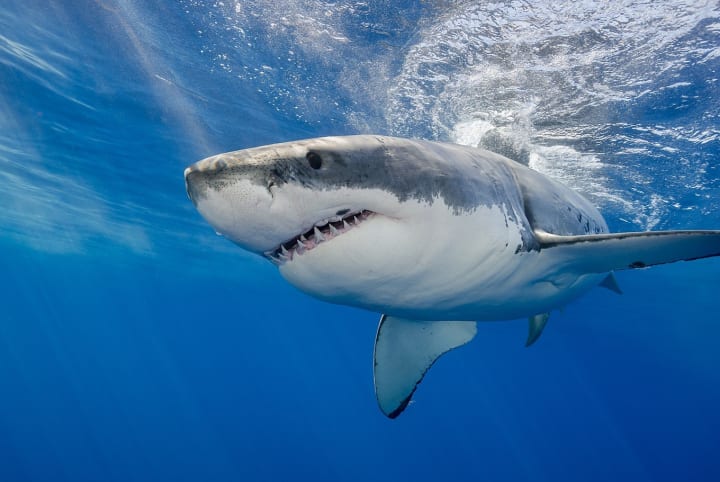
Great white sharks are endothermic, and besides the five common senses, they have an electromagnetic sense. These sharks have 300 large and serrated teeth, triangular in shape to bite their prey. Great white sharks are the largest predators in the water and feed on other sharks, sea lions, seals, sea turtles, carrion, and fish. Gyer Island in South Africa records the highest population.
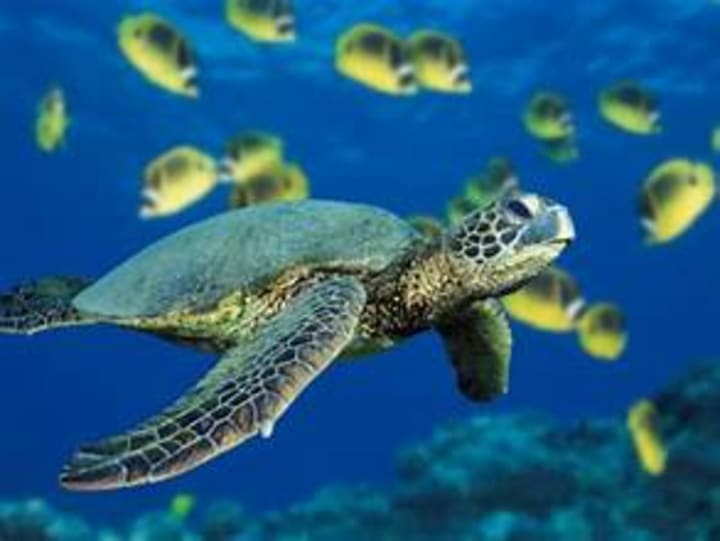
Green sea turtles are reptiles, and they got their name from the green deposit of fat under their shell. Their carapace is smooth and ranges in hues of yellow, green, gray, black, or brown. Green sea turtles have the largest shells and use their flippers to swim. They are both herbivores and carnivores depending on available prey.
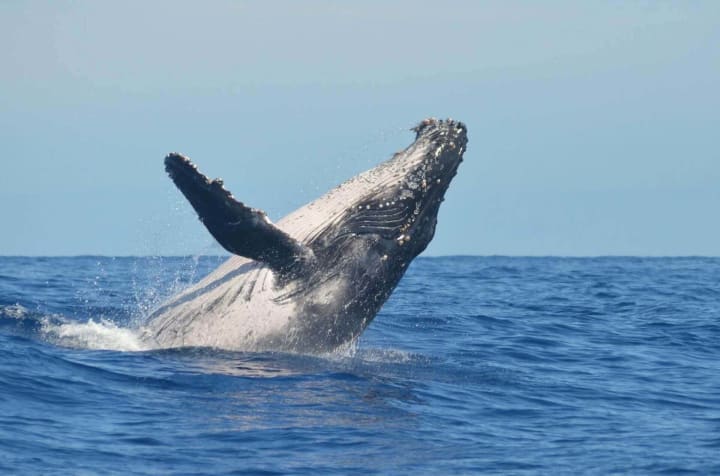
Humpback whales got their name from the dorsal fin, which looks like a hump. They cover great distances when migrating for reproduction and feeding purposes. They feed on fish, plankton, and krill. These are huge creatures weighing between 22,000 and 36,000 kilos and grow to 18 meters in length.
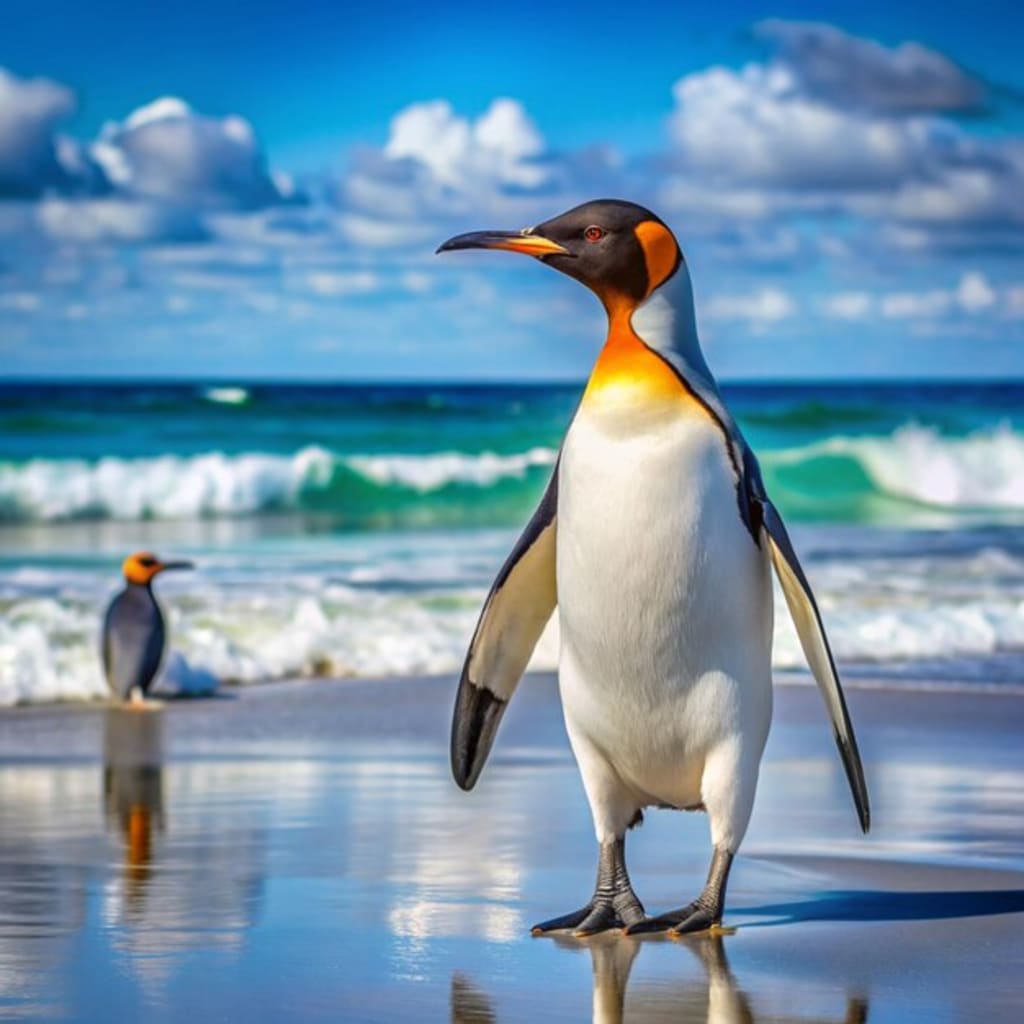
King penguins (pictured above) are the second largest penguin species living in the southern part of the Atlantic. They dine on fish and squid. These penguins can dive between 100 and 300 meters beneath the sea to hunt. They can stay underwater for up to 5 minutes before resurfacing. King penguins are flightless birds and walk or slide on ice.
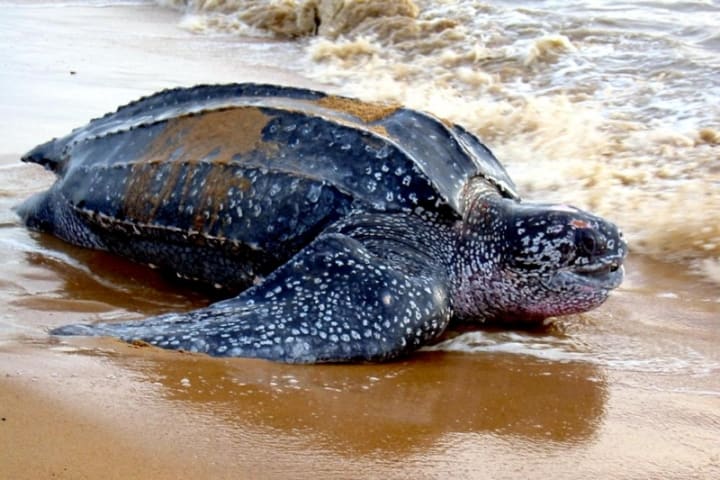
Leatherback sea turtles inhabit the southwest, southeast, and northwest parts of the Atlantic. They are found in deep waters and are larger than other turtle species. They swim in colder waters using their fore flippers to traverse the waters. Leatherback sea turtles are carnivores and feed on jellyfish, crustaceans, and fish.
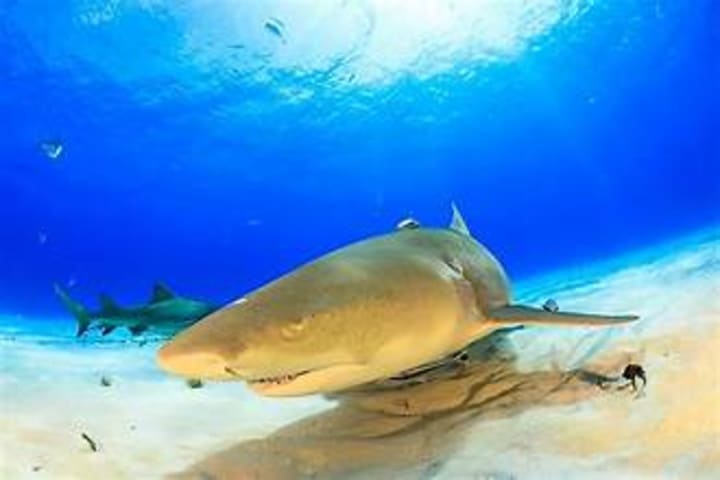
Lemon sharks are found in shallow water close to the shore. Their name comes from their yellow-brown to olive-green color. They have short and round snouts. Since they have poor eyesight, their sense of smell is heightened. Lemon sharks are nocturnal hunters and use their smell and electroreceptors to locate prey. They dine on bony fish, seabirds, smaller sharks, crustaceans, and mollusks.
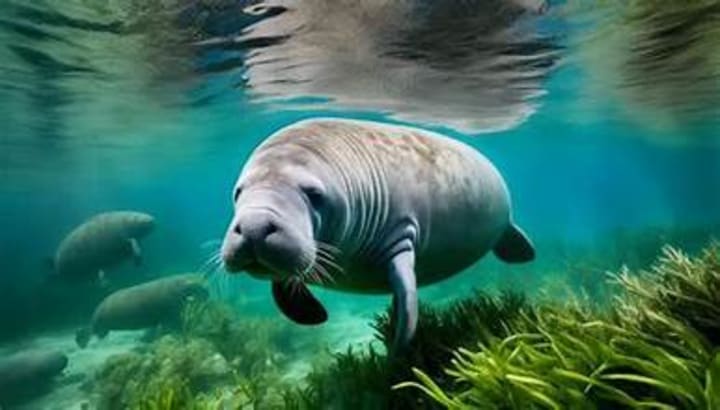
Manatees are also referred to as sea cows. They prefer warm water and are herbivores, eating water plants. These creatures are large, and among their outstanding features are their flippers that resemble paddles. West Indian manatees are found in the Caribbean Sea and the Gulf of Mexico.
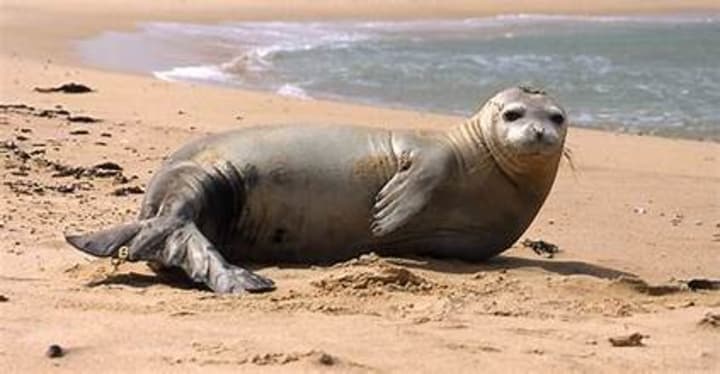
Mediterranean monk seals inhabit the Cabo Blanco and Madeira areas of the Atlantic. They are the rarest of all pinniped species. These seals have short, flat, and broad snouts with upward-facing nostrils. They dine on fish, squid, eels, and octopus.
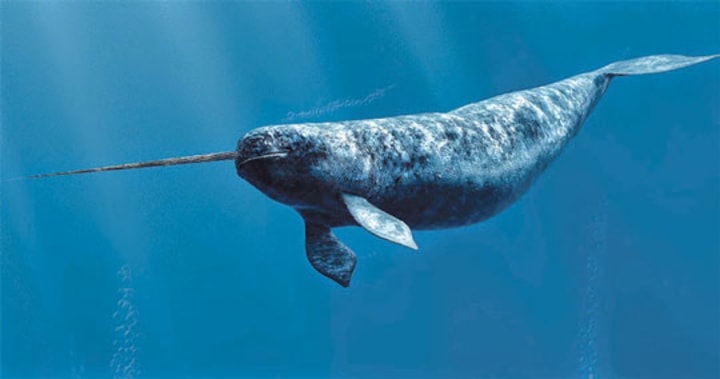
Narwhals are small toothed whales found along coasts and in rivers throughout the Arctic. Males possess a long, straight tusk that projects forward from above the mouth. They use their canines as sensory organs as well as echolocation. Narwhals feed on arctic and polar cod and halibut, shrimp, and squid found in Greenland. They are usually found in groups of 15 to 20, but herds of several thousand have been seen.
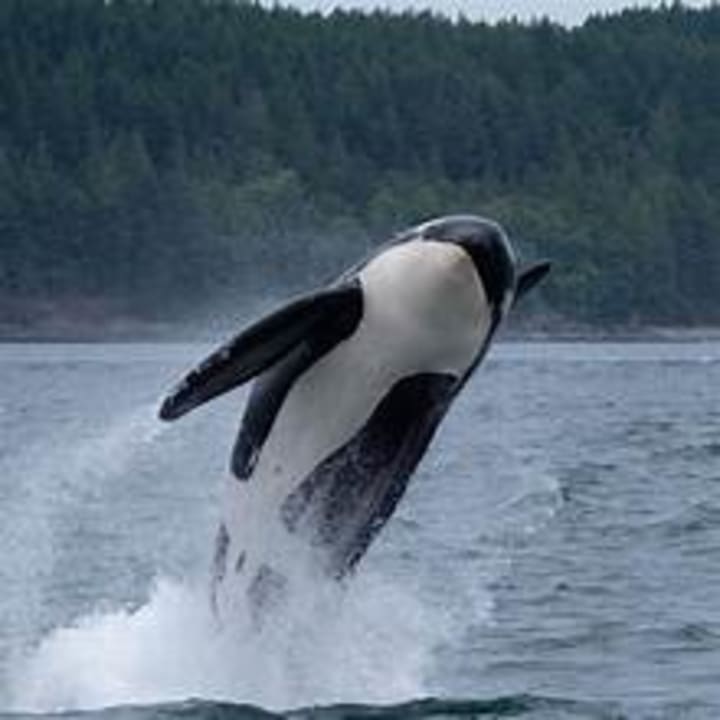
Orcas, or killer whales, are the largest creatures of the dolphin family. They use their large pectoral fins to propel them through the water and have a fat deposit known as blubber under their skin for insulation. Orcas are carnivores and dine on seabirds, seals, sea lions, fish, and squid.
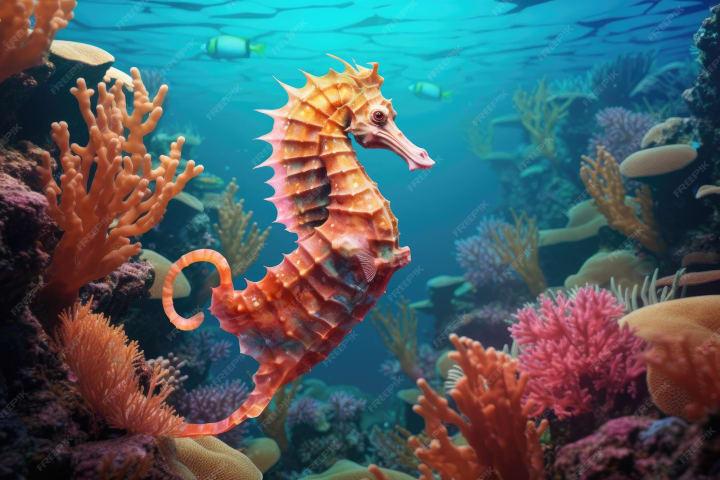
Seahorses are bony fish that are close relations to other fish such as tuna and salmon. They have thin skin with no scales and crown-like spines on top of their heads known as coronets. With no teeth, sea horses feed by sucking prey through a fused jaw. They feed on plankton and little crustaceans. Seahorses change color to camouflage themselves.
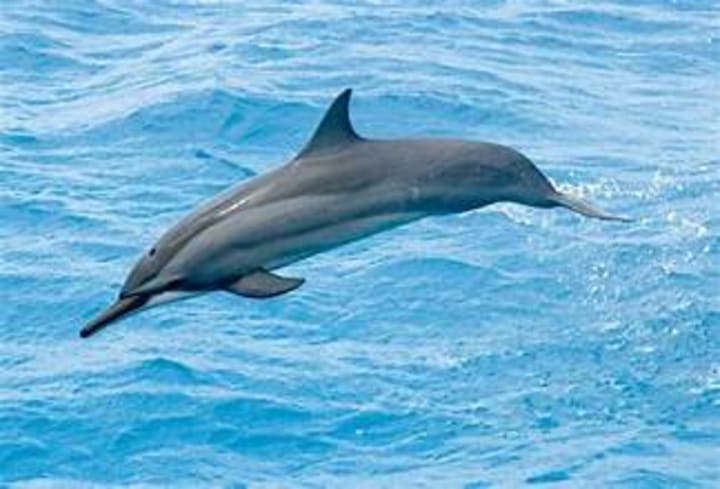
Spinner dolphins are relatives of dolphins, porpoises, and whales. They inhabit subtropical and tropical waters around the world. These dolphins are known for their big leaps out of the water and spinning in the air before hitting the water again. They communicate with squeaks and whistles. Spinner dolphins are highly sensitive to frequencies, and they employ echolocation to map their surroundings and to hunt. They feed on fish, squid, and crustaceans.
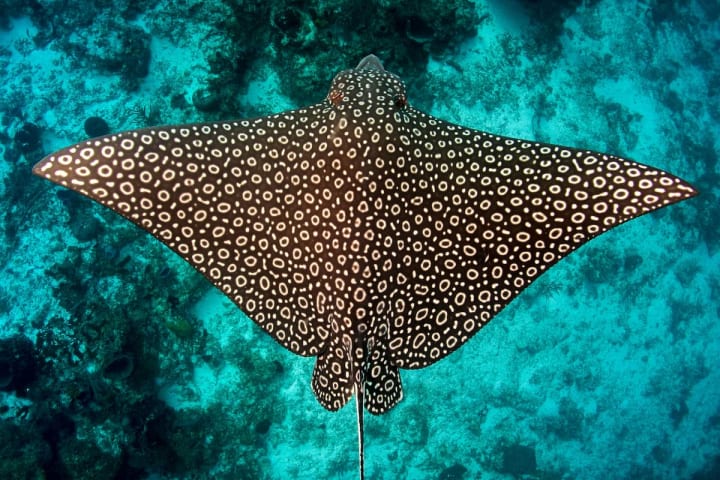
Spotted eagle rays belong to the class of cartilaginous fish. Populations of them are concentrated in the Caribbean and Mexican Gulf parts of the Atlantic. They have snouts that resemble the bills of ducks. They dine on crustaceans and small fish. Spotted eagle rays use their snouts to search for food under the seabed sand. They are mostly solitary creatures but can be seen leaping into the air.
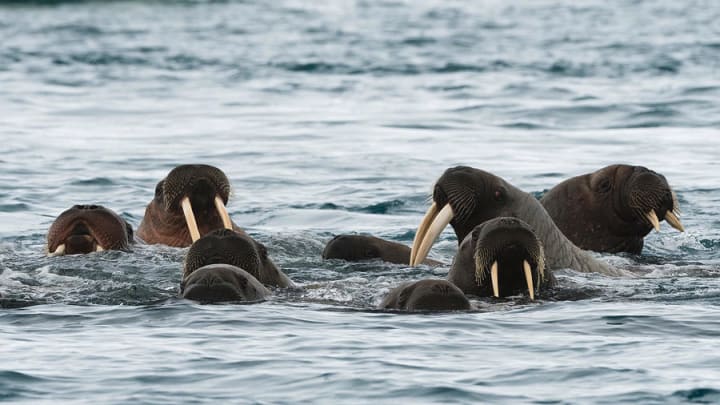
The walruses found in the Atlantic inhabit the Canadian Arctic to the east and the Russian Arctic to the west. These creatures are known for their long, elongated canines. They are very social and found in groups using vocal communication among themselves. Walruses feed on invertebrates.
About the Creator
Rasma Raisters
My passions are writing and creating poetry. I write for several sites online and have four themed blogs on Wordpress. Please follow me on Twitter.
Keep reading
More stories from Rasma Raisters and writers in Earth and other communities.
Amazing Animals Republic of the Congo
The Republic of the Congo is also known as Congo-Brazzaville. It is a country on the western coast of Central Africa. Its capital, Brazzaville, is on the Congo River; the Kouilou-Nilari River drains the coastal plain, and the interior of the country has a central plateau with two basins to the north and the south.
By Rasma Raisters5 months ago in Earth
When the Sky Splits Open: Living Through the Next Polar Vortex Collapse
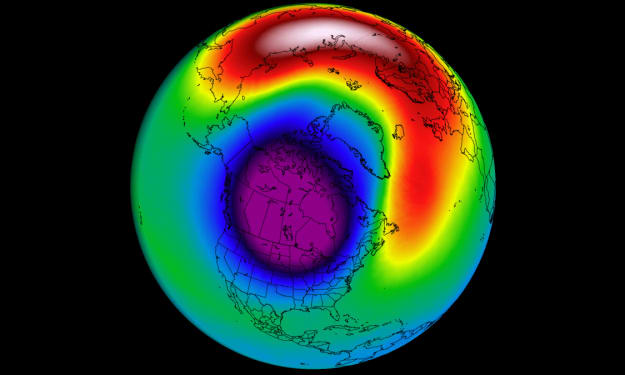
I remember the first time I learned what a “polar vortex” actually was. It was during that brutal winter of 2014, when the air outside made sound brittle and breathing almost felt like swallowing glass. The term had just entered the mainstream — a sleek, scientific label for a phenomenon that had been happening for eons but suddenly carried the power to dominate headlines and freeze half a continent in place. Now, a decade later, every forecast of a potential “vortex collapse” sets off the same chain reaction: social media panic, clickbait maps glowing blue, and a quiet dread that this time might be worse.
By Trend Vantageabout 7 hours ago in Earth
Canadian Backpacker’s Death Raises Hard Questions for Queensland’s K’gari
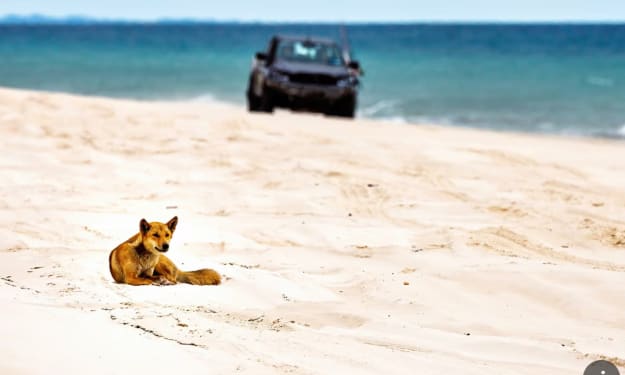
The tragic death of a Canadian backpacker on K’gari, the world-heritage-listed island off Queensland’s coast formerly known as Fraser Island, has reignited a difficult and emotional debate: can humans and dingoes safely coexist in a shared tourist space?
By Muhammad Hassanabout 2 hours ago in Earth

Comments
There are no comments for this story
Be the first to respond and start the conversation.