
When the Sky Splits Open: Living Through the Next Polar Vortex Collapse
As meteorologists warn of another potential polar vortex disruption, I find myself questioning how we’ve come to treat these planetary spasms as seasonal curiosities rather than existential wake-up calls.

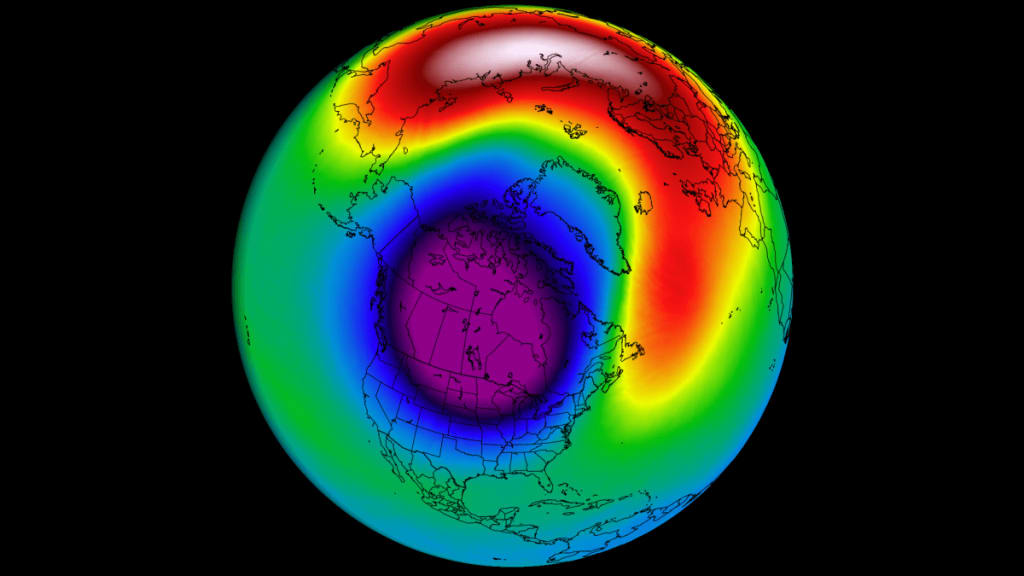
I remember the first time I learned what a “polar vortex” actually was. It was during that brutal winter of 2014, when the air outside made sound brittle and breathing almost felt like swallowing glass. The term had just entered the mainstream — a sleek, scientific label for a phenomenon that had been happening for eons but suddenly carried the power to dominate headlines and freeze half a continent in place. Now, a decade later, every forecast of a potential “vortex collapse” sets off the same chain reaction: social media panic, clickbait maps glowing blue, and a quiet dread that this time might be worse.
But the more I read about it, the less the vortex itself scares me. What unnerves me is how casual we’ve become about the atmosphere coming undone in real time. A “polar vortex collapse” sounds like a phrase from a sci-fi script, not a weather briefing. And yet, here we are — trying to carry on with school drop-offs and grocery runs while the stratosphere above the Arctic literally reverses direction, sending cold air avalanching into places that were never built for it.
This winter’s forecast hints that another stratospheric warming event could destabilize the polar vortex, potentially unleashing the kind of deep freeze that turns Texas into a surrealist painting — icicles hanging from ceiling fans, fish frozen mid-swim, lawmakers bickering over wind turbines on cable news. Meteorologists can model these atmospheric shifts with stunning precision now, but even they admit that predicting how the collapse manifests at ground level remains a guessing game. Some years, the cold drops into Europe. Other years, it swirls over North America like a ghostly finger tracing our coastlines, searching for weakness in the grid.
Where I live in upstate New York, the idea of severe cold isn’t exotic. But lately, the winters feel moody — erratic, almost performative. One week it’s sleet and ice storms, then a sudden warm spell that smells like April mud. The chaos feels anthropomorphic, as if the atmosphere itself is restless. We used to talk about “global warming” as a simple, steady climb. In reality, it’s more like a pendulum — overreactions, wild swings, and corrections that punish both extremes.
Still, when I look at the new models showing the polar vortex behaving like a bruised system under pressure, I’m struck by how perfectly it mirrors us. We’ve pushed the planet’s equilibrium so hard that even the jet stream wobbles like a drunk line dancer. And yet, our response is mostly transactional — turn up the thermostat, curse the utility bill, scroll past the headlines. We’ve learned to treat planetary instability as just another nuisance.
My father used to say you can tell how serious a storm will be by the silence before it. I think about that when I step outside on those pre-collapse days when the air feels brittle, almost hollow. Forecasts show graphs and soundings, but nothing captures that eerie stillness — the sense that the atmosphere knows something we don’t. Sometimes I imagine the stratosphere above us like a tight belt finally snapping loose, and we’re left to catch the fallout.
I can’t pretend to understand every nuance of atmospheric dynamics, but I do understand human denial. We build narratives to protect ourselves from existential scale. “Polar vortex” becomes just another hashtag, a momentary spike in engagement, when in truth it’s a direct manifestation of imbalance — a physical sigh from a planet pushed beyond its steady state. And maybe the saddest thing is that it takes a catastrophe to remind us that the climate isn’t an abstract system; it’s the house we live in.
There’s a difficult honesty to confronting this kind of forecast. It means admitting that our modern infrastructures, our fragile energy systems, our pride in being “adaptable,” all sit on a very thin line of environmental stability. When that line wavers — when the Arctic warms, when the vortex collapses — it exposes just how much we’ve come to depend on predictable patterns. The weather used to be something we talked about to avoid heavier topics. Now, it is a heavy topic.
I find myself making small, almost ritual preparations whenever these forecasts surface. Stocking supplies, charging devices, checking that old kerosene heater in the garage. But there’s also a quieter preparation — one that has nothing to do with survival gear. It’s an emotional recalibration, a willingness to face the idea that “normal” winter may never return. I don’t think that’s pessimism. It’s realism dressed in wool.
Some scientists argue that we’re nearing a new climatic norm — a phase defined by unstable polar circulation and recurrent extreme events. They call it “the new volatility.” And part of me wonders if this volatility won’t just stay in the atmosphere. Maybe it’s already bleeding into us — the collective anxiety, the political fever, the short tempers, the impatience for nuance. As above, so below.
The storms ahead will probably be survivable, but that’s not the point. The danger isn’t only the cold — it’s the normalization of collapse. If we can treat the stratosphere unraveling as mere content, what else will we learn to scroll past? Maybe that’s why I keep writing about weather; it’s one of the few remaining stories that refuses to stay abstract. It demands that we feel it.
Forecasts may evolve, models may argue with one another, but the underlying message remains the same: the system is changing, and so must we. Whether the vortex collapses or not this February, the cold will remind us of something primal — our smallness, our interconnectedness, and, if we’re honest, our fragility. And maybe that’s the first thaw we need before anything warmer can follow.
About the Creator
Trend Vantage
Covering the latest trends across business, tech, and culture. From finance to futuristic innovations, delivering insights that keep you ahead of the curve. Stay tuned for what’s next!
Keep reading
More stories from Trend Vantage and writers in Earth and other communities.
The Weather Tomorrow Feels More Personal Than Ever
Every night before going to bed, I check the weather for tomorrow. It used to be a small, mechanical act — like setting an alarm or brushing my teeth. Now it feels almost existential. I tap into the forecast app and stare at those color-coded icons as though they’re tarot cards trying to tell me something about what kind of day I’ll wake up to.
By Trend Vantageabout 7 hours ago in Earth
Reeves to Exclude Hotels and Restaurants From Tax Rescue Package
In a move that has sparked debate across the business and hospitality sectors, Premier Reeves announced plans to exclude hotels and restaurants from the latest tax rescue package. The decision comes amid ongoing efforts to balance public finances with economic recovery, but it has left many in the hospitality industry questioning their future stability and the fairness of government support measures.
By Aarif Lashari2 days ago in Earth
Top Business Leaders Issue Expletive-Laced Message on Green Backlash
In a move that has captured global attention, a coalition of top business leaders recently issued a sharp and expletive-laden statement responding to what they describe as growing “green backlash” against corporate sustainability initiatives. The statement, which circulated widely on social media and news outlets, reflects increasing tension between business interests and environmental advocacy. Executives from some of the world’s largest corporations—including energy, manufacturing, and technology sectors—warned that the backlash threatens progress on climate goals and risks undermining long-term economic and environmental stability. What the Statement Said While the exact wording contained strong language, the core message was clear: business leaders are frustrated with public criticism that, in their view, unfairly targets companies striving to reduce emissions, invest in renewable energy, and implement sustainable practices. According to excerpts released by major media outlets, the executives argued that: Sustainability efforts are essential for long-term business survival. Criticism from political groups, activists, and some consumers is often misinformed or oversimplified. Corporations cannot be held responsible for systemic environmental challenges alone. The expletive-laced tone surprised observers and sparked debates about corporate communication strategies and the limits of public discourse in environmental debates. Why Business Leaders Are Pushing Back Many companies have invested billions in green technologies, energy-efficient processes, and corporate social responsibility initiatives. Yet, they argue that despite these investments, they face increasing public scrutiny and sometimes hostile criticism: Activist campaigns often portray corporations as greenwashing, exaggerating sustainability claims. Politicians in some regions have launched legal or regulatory challenges against certain environmental strategies. Social media amplifies criticism rapidly, sometimes disproportionately. Business leaders warn that this backlash not only demoralizes corporate teams but can also slow down innovation in areas like renewable energy, sustainable packaging, and carbon-neutral logistics. The Green Backlash: What It Is The term “green backlash” refers to growing opposition to environmental initiatives, particularly when such initiatives are perceived as expensive, disruptive, or politically motivated. Analysts suggest the backlash stems from several sources: Economic concerns: Some voters fear green policies raise costs for consumers or hurt industries reliant on traditional energy. Political polarization: Environmental issues have become entangled with partisan debates in multiple countries. Misinformation: Social media often spreads misleading narratives about corporate green practices. Executives argue that a lack of understanding among the public contributes to misdirected criticism. Examples of Corporate Sustainability Initiatives The companies represented in the statement have launched a range of initiatives over the past decade: Transitioning to 100% renewable energy in certain operations. Developing electric vehicle fleets for logistics. Investing in carbon capture technologies. Promoting sustainable supply chains and sourcing practices. While these measures have tangible environmental benefits, some critics argue that companies could do more or that efforts are motivated primarily by public relations rather than genuine ecological concern. Public and Media Reaction The expletive-laden nature of the statement drew immediate attention. Responses have ranged from support to criticism: Supporters argue the message is a wake-up call, highlighting that corporations are actively addressing climate challenges despite unfair scrutiny. Critics say that the tone reflects arrogance and defensiveness, suggesting that executives may be out of touch with public concerns. Media outlets noted the unusual directness and language, emphasizing how rare it is for top executives to express frustration so bluntly. The controversy highlights the fine line companies must walk in communicating sustainability efforts while maintaining credibility and public trust. Implications for Corporate Environmental Policy Analysts suggest this incident could have lasting impacts on corporate environmental policy: Stronger Communication Strategies: Companies may invest more in explaining their initiatives clearly to the public. Policy Advocacy: Corporations could increase lobbying efforts to protect sustainability investments from backlash. Collaboration With Stakeholders: Building alliances with NGOs, governments, and communities may help mitigate criticism. Transparency and Reporting: Enhanced sustainability reporting could counter claims of greenwashing. Overall, the backlash may push companies to balance assertiveness with accountability, ensuring their green efforts are both visible and credible. Broader Context: Climate Action and Corporate Responsibility This statement comes amid a period of heightened focus on climate change and corporate responsibility. Governments around the world are implementing stricter emissions targets, and investors are increasingly prioritizing environmental, social, and governance (ESG) metrics. At the same time, some sectors are experiencing pushback from consumers, employees, or regulators who feel that certain sustainability measures are too costly or disruptive. The tension between progressive climate goals and short-term economic or political pressures is likely to persist for years. Lessons From the Backlash Several takeaways emerge from this high-profile corporate statement: Companies must communicate proactively, not just implement policies. Strong language can grab attention, but it may also polarize stakeholders. Engagement with critics, rather than public confrontation, could yield better long-term results. The green backlash reflects a broader societal debate about the pace, cost, and responsibility of environmental action. The incident illustrates how corporate leadership and public opinion intersect in the era of climate change. Conclusion: Navigating the Green Debate The expletive-laden message from top business leaders underscores the frustration felt by corporations navigating environmental challenges in a polarized climate. While the tone may have raised eyebrows, the underlying message is clear: companies are committed to sustainability but are seeking understanding and support from the public. As environmental policies, corporate initiatives, and public expectations continue to evolve, the dialogue between business and society will remain critical. This episode may serve as a reminder that communication strategy is as important as action in achieving meaningful progress on climate change.
By Muhammad Hassana day ago in Earth


Comments
There are no comments for this story
Be the first to respond and start the conversation.