
Tsum Valley Trek: A Journey into Nepal’s Hidden Gem
Overview
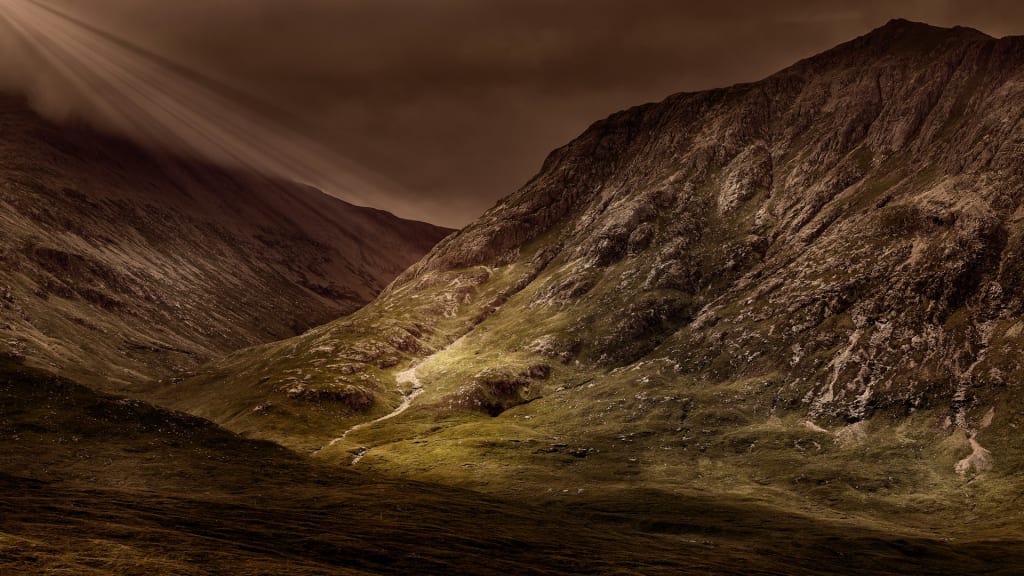
The Tsum Valley Trek is one of Nepal's most remote and culturally rich trekking routes, offering an authentic Himalayan experience. Nestled between the Ganesh Himal and Sringi Himal ranges, Tsum Valley is often referred to as the "hidden valley" due to its secluded location and unspoiled beauty. This trek is perfect for those who want to experience both stunning mountain landscapes and a deep cultural immersion in one of Nepal's lesser-known regions. In this blog, I’ll take you through my experience trekking the Tsum Valley, highlighting the breathtaking landscapes, cultural encounters, and the key landmarks that make this trek unforgettable.
The Trek Begins: A Step into the Remote Beauty of Tsum Valley
The journey to the Tsum Valley begins in the bustling city of Kathmandu, where you’ll take a scenic drive to Arughat, a small town located along the Budhi Gandaki River. From Arughat, you’ll start the trek, passing through charming villages, terraced fields, and lush forests. As the trail ascends, the scenery transforms from subtropical to alpine, with views of snow-capped peaks and glaciers becoming more prominent.
One of the most remarkable aspects of the Tsum Valley Trek is the sense of isolation you feel as you move deeper into the valley. The remote nature of this trek means that you won’t encounter large crowds, allowing you to truly immerse yourself in the peace and tranquility of the region. The local people, mostly from the Tsumba ethnic group, are incredibly friendly, and you’ll find that the valley still maintains a traditional way of life that is deeply connected to Tibetan Buddhism.
The trek is moderate in difficulty, with plenty of opportunities to acclimatize and enjoy the landscape along the way. The journey typically takes about 12 to 14 days, depending on the route and pace you choose, and it takes you through several small villages, such as Lho, Samagaon, and Chhekampar, where the traditional Tibetan culture is most evident.
Cultural Insights: A Spiritual Journey through Tsum Valley
One of the highlights of the Tsum Valley Trek is the chance to explore the rich Tibetan culture of the region. Tsum Valley is known for its deep Buddhist roots, and many of the villages are home to ancient monasteries, stupas, and prayer wheels. As you trek through the valley, you’ll witness the daily lives of the locals, who are primarily farmers and traders, living in harmony with the land and their spiritual beliefs.
The highlight of the trek is reaching the village of Samagaon, which is the largest settlement in Tsum Valley. Here, you can visit the Rachen Gompa, a significant Tibetan Buddhist monastery that has been in existence for centuries. The monastery is a peaceful place, where you can meditate, interact with the monks, and learn more about the Buddhist traditions of the region.
Another important cultural site is the Mu Gompa, which is located at the far end of the valley. This remote monastery is a spiritual center for the locals and is one of the oldest in the region. The trek to Mu Gompa is a short but steep hike, and it offers not only spiritual solace but also some of the best views of the surrounding mountains, including the Sringi Himal and Ganesh Himal ranges.
Throughout the trek, you’ll also encounter prayer flags, mani walls, and chortens—symbols of the Buddhist faith that add to the peaceful atmosphere of the region. The locals are always happy to share their stories, and you’ll find that the Tsumba people’s hospitality is warm and genuine, despite the valley’s isolated location.
Scenic Beauty: Spectacular Views and Landmarks
The natural beauty of Tsum Valley is nothing short of breathtaking. The valley is surrounded by towering peaks, including Ganesh Himal, Sringi Himal, and the Annapurna range, creating a dramatic backdrop for your trek. The landscapes are varied, from lush forests to barren, high-altitude terrain. The trek also takes you through remote alpine meadows, where you can see grazing yaks and horses, and alpine lakes that glisten in the sun.
One of the most memorable landmarks on the trek is the view of the imposing Sringi Himal, which looms over the valley with its snow-covered peaks. The sight of this peak, combined with the traditional Tibetan villages below, is a highlight of the journey. The views from the villages in Tsum Valley, including Lho and Chhekampar, are also remarkable, with each village offering unique perspectives of the surrounding mountain ranges.
Along the way, you’ll cross numerous suspension bridges over rushing rivers, trek through deep gorges, and walk through dense forests of rhododendron and pine. The quiet serenity of the valley and the stunning natural surroundings create an environment that feels almost magical, allowing you to connect with nature in a way that’s hard to find in more popular trekking areas.
Conclusion: A Hidden Gem for Adventurous Travelers
The Tsum Valley Trek is a journey that offers much more than just stunning views and physical challenge. It’s an opportunity to experience the deep cultural heritage of one of Nepal’s most remote regions, while also being surrounded by some of the most beautiful landscapes the country has to offer. The trek is a great choice for those seeking a more off-the-beaten-path experience, away from the crowded trails of the more popular Annapurna and Everest regions.
Whether you're drawn to the valley for its spiritual significance, its natural beauty, or the chance to experience a unique way of life, the Tsum Valley Trek is sure to leave a lasting impression. The warmth of the local people, the serene environment, and the awe-inspiring mountains combine to make this trek one of Nepal’s hidden treasures. If you're looking for an unforgettable adventure that offers a bit of everything, the Tsum Valley Trek should definitely be on your list.
About the Creator
Keep reading
More stories from Oliver Backman and writers in Earth and other communities.
Chulu East Peak: A Journey to the Top of the Annapurnas
Some mountains call to you—not just for the challenge but for the journey, the wild landscapes, and the feeling of standing above the world. Chulu East Peak (6,429m) is one of those mountains. Nestled in the Annapurna region, this climb is perfect for trekkers who want to go beyond hiking and step into the world of mountaineering. It’s tough, rewarding, and an adventure you’ll never forget.
By Oliver Backman12 months ago in Earth
“Train of Two Storms” Signals a Major Shift in Bay Area Weather
After weeks of relatively dry and stable conditions, the Bay Area is preparing for a noticeable change in weather. Meteorologists are tracking what they describe as a “train of two storms,” a back-to-back weather pattern that could reshape the region’s forecast over the coming days.
By Adil Ali Khan3 days ago in Earth
The Saddest Thing - The Billionaires Who Rule America Aren't Even Enjoying Themselves
This single post says more about our ruling class than a thousand policy papers. The saddest thing about today's system is that the men robbing the rest of us - sabotaging our economic prospects, our pensions, our access to affordable healthcare - are not even happy.
By Scott Christenson🌴5 days ago in The Swamp



Comments
There are no comments for this story
Be the first to respond and start the conversation.