
Nepra Notifies Prosumer Regulations: A New Chapter for Pakistan’s Solar Energy Users
New rules aim to reshape net metering, protect power utilities, and redefine the future of prosumers in Pakistan
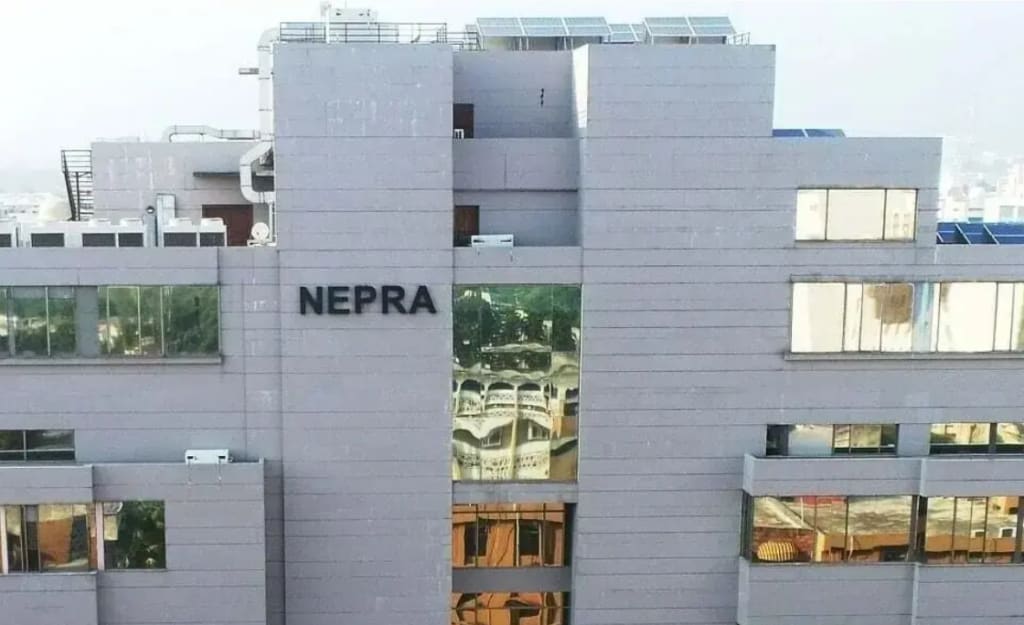
Pakistan’s energy sector has taken a major step forward as the National Electric Power Regulatory Authority (Nepra) officially notified Prosumer Regulations, a move that could significantly change how solar power users interact with the national grid. These regulations are designed to govern “prosumers”—people who both produce and consume electricity, especially through rooftop solar systems.
The announcement has sparked mixed reactions across the country. While policymakers say the rules will bring fairness and stability to the power sector, many solar users fear that the new framework could reduce incentives and slow down Pakistan’s renewable energy revolution.
Who Are Prosumers?
A prosumer is a consumer who also produces electricity, usually through solar panels installed on rooftops or small-scale renewable systems. In Pakistan, the number of prosumers has increased rapidly over the past decade due to:
Rising electricity prices
Frequent power outages
Government incentives for solar energy
Net metering policies that allowed users to sell excess electricity back to the grid
Net metering helped thousands of households and businesses reduce electricity bills and even earn credits by exporting surplus power.
What Are Nepra’s Prosumer Regulations?
Nepra’s newly notified regulations provide a formal legal framework for prosumers, defining their rights, responsibilities, and the role of power distribution companies (Discos).
The key objectives of the regulations include:
Ensuring fair cost-sharing between solar users and non-solar consumers
Preventing financial losses for power utilities
Encouraging sustainable and balanced renewable energy growth
Establishing clear technical and commercial standards for grid integration
These rules aim to bring order and transparency to Pakistan’s rapidly growing distributed energy sector.
Key Features of the New Regulations
1. Updated Net Metering Framework
The regulations introduce changes in how electricity exported to the grid is credited. Previously, prosumers benefited from one-to-one billing, meaning exported units were adjusted at the same rate as imported electricity.
Under the new framework, Nepra is expected to introduce separate rates for buying and selling electricity, which could reduce financial benefits for solar users.
2. Technical Standards and Grid Stability
The regulations set technical requirements for solar systems to ensure grid safety and stability. Prosumers must meet specific standards for:
Inverters
Safety equipment
Grid synchronization
System capacity limits
This is meant to prevent technical disruptions caused by uncontrolled solar integration.
3. Licensing and Registration
Prosumers may be required to register their systems with Discos and comply with standardized procedures. This will help regulators monitor distributed energy and plan future infrastructure upgrades.
4. Cost Recovery for Utilities
One of the main concerns addressed by Nepra is the financial strain on power distribution companies. When prosumers reduce their electricity consumption, utilities lose revenue, which shifts costs to non-solar consumers.
The regulations aim to ensure that grid maintenance costs are shared fairly, even by those who generate their own electricity.
Why Did Nepra Introduce These Regulations?
Pakistan’s solar boom has been one of the fastest in the region. Rooftop solar installations have surged, especially in urban areas. While this is positive for the environment and energy independence, it has created challenges for the national grid.
Nepra officials argue that:
Rapid solar adoption without regulation can destabilize the grid
Distribution companies face financial losses
Cross-subsidies increase electricity costs for non-solar users
Long-term planning becomes difficult without accurate data on distributed generation
The new regulations aim to balance renewable growth with economic and technical sustainability.
Public Reaction: Hope and Concern
The announcement has divided public opinion.
Supporters Say:
Regulations are necessary to prevent chaos in the energy sector
Fair billing will protect low-income consumers who cannot afford solar systems
A structured framework will attract foreign investment in renewable energy
Critics Argue:
Reduced incentives could discourage solar adoption
Pakistan needs more, not less, renewable energy
Solar users invested heavily based on previous policies and now feel uncertain
The policy shift could slow down the green energy transition
Solar industry stakeholders, including installers and investors, have also expressed concerns about market uncertainty.
Impact on Solar Industry and Consumers
For Solar Users
Existing prosumers may see changes in billing and payback periods. New investors might think twice before installing solar systems if financial returns decrease.
For Solar Companies
Installers and manufacturers could face slower demand if incentives are reduced. However, clearer regulations may also increase trust and attract serious investors.
For Utilities
Distribution companies will benefit from a more predictable revenue model and improved grid management.
A Global Trend: Balancing Prosumers and Utilities
Pakistan is not alone in facing this challenge. Many countries with high solar penetration have introduced new regulations to balance prosumer benefits with grid costs.
In Europe, Australia, and parts of the United States, governments have:
Reduced net metering subsidies
Introduced feed-in tariffs at lower rates
Implemented fixed charges for grid maintenance
This global trend shows that as renewable energy grows, policies must evolve to maintain system stability.
The Bigger Picture: Pakistan’s Energy Transition
Pakistan faces a severe energy crisis, with high generation costs, circular debt, and reliance on imported fuels. Renewable energy is seen as a key solution to these problems.
Solar power offers:
Reduced dependence on fossil fuels
Lower electricity costs in the long run
Environmental benefits
Energy security
Nepra’s Prosumer Regulations are part of a broader effort to modernize Pakistan’s energy sector and create a sustainable framework for distributed generation.
Challenges Ahead
Despite the positive intentions, the new regulations face several challenges:
Public resistance from solar users
Implementation capacity of distribution companies
Need for public awareness and education
Ensuring transparency and fairness in billing
Maintaining investor confidence in renewable energy
The success of these regulations will depend on how well they are implemented and communicated.
Conclusion: A Turning Point for Solar Energy in Pakistan
Nepra’s notification of Prosumer Regulations marks a turning point in Pakistan’s solar energy journey. While the rules aim to bring fairness, stability, and sustainability, they also raise concerns about the future of rooftop solar adoption.
For Pakistan, the challenge is clear: balance renewable energy growth with economic reality and grid stability. If managed wisely, these regulations could strengthen the energy sector and pave the way for a cleaner, more resilient future.
However, if handled poorly, they risk slowing down one of Pakistan’s most promising energy revolutions.
The coming months will reveal whether these regulations become a foundation for sustainable energy progress or a controversial hurdle for green energy enthusiasts.
About the Creator
Greenland's ice loss is being silently accelerated by airborne dust.
The warmer air isn't the only reason why Greenland's ice is melting. By feeding dark algae blooms that absorb sunlight and accelerate ice loss, tiny particles carried by the wind can subtly alter surface conditions.
By Francis Dami6 days ago in Earth
Greenland Declares State of Emergency as Scientists Link the Growing Presence of Orcas to Accelerating Ice Melt
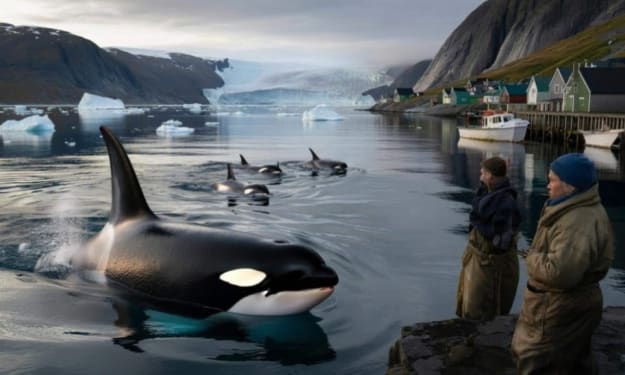
In a landmark decision that reflects the intensifying impacts of climate change, the government of Greenland has officially declared a state of environmental emergency—a rare and solemn move that underscores the accelerating transformation of Arctic ecosystems. The catalyst for this declaration? An unusual and growing presence of orcas—also known as killer whales—in waters once locked in sea ice, a phenomenon scientists say reveals the alarming scale of ice melt in the region.
By Sadaqat Ali3 days ago in Earth
Foot Bindings
I asked my grandmother how she knew she'd fallen in love. I am not sure I ever did love him, she said. This was before I met my husband. I was naive, a naked spring, a raw nerve of a thing. That cannot ever be me, I knew. Sadness swept in gently like a Moscow thaw. It is no simple thing, looking into a woman's vast soul and seeing its foot bindings. Now, in Italy divorced with my skin singed off, when I say I don't love him mean: I have succeeded at feeling nothing most days and it mostly works. Do you want the comfort of Nothing? Do you want Nothing, too? Be warned: you'll never be free, even when you are nothing. Here is what doesn't work: Accepting the stages of grief. Talking about it. Sitting with the feeling. Missing him—no, the person you were when you believed in death do us part. Writing poetry. That, too. When I say I don't love him I mean: I feel capsized in an endless, starved tide. What sometimes works: selective memory. You must forget ripe tomatoes and his beard and feeling perfectly sheltered in a big blue world. Forget coffee in bed, laughter watching TV, blowing out the candles on the birthday cake and the quiet all-encompassing knowledge that you are chosen. Remember only how love turned to a banal everyday survival act, a trapeze act unsure whether he will catch you, how the warmth stagnated and became sour, remember the foot bindings and remember the resentment boiling in your veins as you stick it out for the kids. Six-hour Netflix binges help, too. A man's fingers tracing your spine. Frozen pizza at 2 a.m. Random trips to the museum just to stand near things that last a while. The realization that crying won’t change anything. Seeing that life is just a dream, and refusing to participate in your own suffering. Bite your fist. Walk on eggshells around joy. When I say I don't love him, I mean he didn’t break my heart, he just stopped touching it and it forgot how to beat right.
By Ella Bogdanova2 days ago in Poets



Comments
There are no comments for this story
Be the first to respond and start the conversation.