
Chulu East Peak: A Journey to the Top of the Annapurnas
Overview
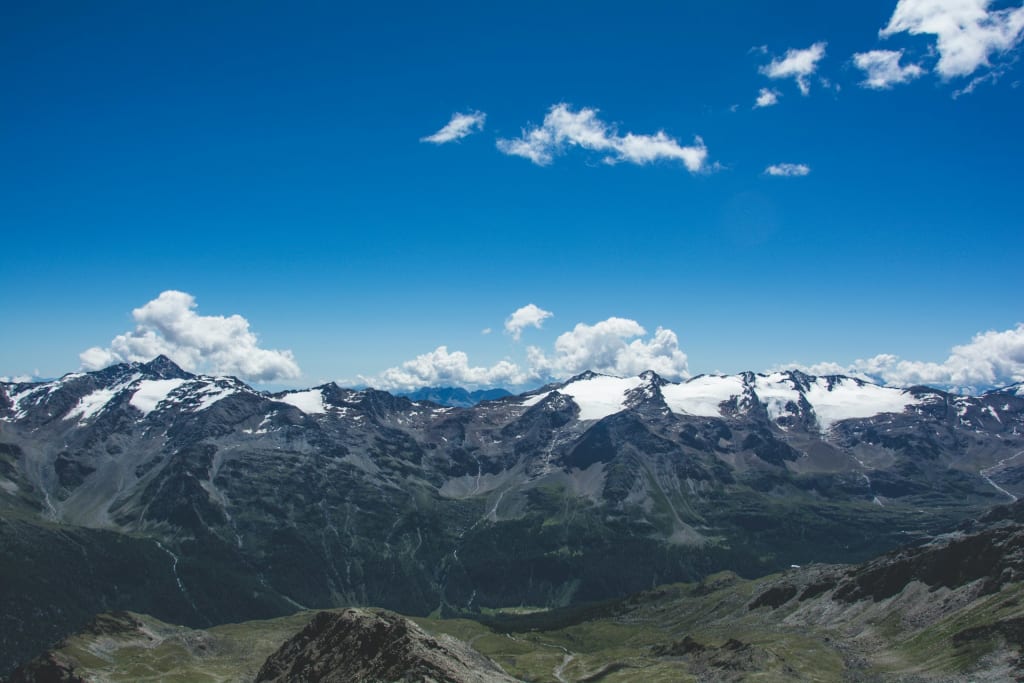
Some mountains call to you—not just for the challenge but for the journey, the wild landscapes, and the feeling of standing above the world. Chulu East Peak (6,429m) is one of those mountains. Nestled in the Annapurna region, this climb is perfect for trekkers who want to go beyond hiking and step into the world of mountaineering. It’s tough, rewarding, and an adventure you’ll never forget.
The Journey Begins
Like most great adventures in Nepal, the trip starts with a long drive from Kathmandu to Besishahar. From here, you follow the Annapurna Circuit Trek route, walking through rice fields, dense forests, and charming villages. The air gets fresher, the mountains get closer, and before you know it, you’re deep in the Manang Valley, one of the most stunning places in Nepal.
Manang is where you stop for a day or two to acclimatize. At 3,500 meters, this village is surrounded by towering peaks, colorful prayer flags, and friendly locals who welcome trekkers with warm cups of tea. If you have time, a short hike to Gangapurna Lake or Ice Lake is a must. It’s the perfect way to prepare your body for the higher altitudes ahead.
Climbing Chulu East
From Manang, the trail leads towards Chulu East Base Camp, a rugged and remote area surrounded by snow-covered peaks. You’ll set up camp under the stars, feeling the excitement (and maybe a few nerves) about the climb ahead. The next day, the real adventure begins.
Climbing Chulu East isn’t just walking uphill—it’s a real mountaineering experience. The route involves steep slopes, icy ridges, and technical sections that require ropes, crampons, and ice axes. If you’ve never used this gear before, don’t worry—your guides will teach you everything.
Summit day is tough. You start before dawn, climbing in the freezing cold with only your headlamp lighting the way. Every step is slow and steady as you push towards the top. And then, suddenly, you’re there—the summit of Chulu East.
The View From the Top
Nothing prepares you for the moment you reach the summit. The world opens up around you, with Annapurna II, III, IV, Dhaulagiri, and Manaslu standing proudly in the distance. The wind is strong, your legs are shaking, but none of it matters. You’ve made it. You’re standing on a Himalayan peak, higher than you ever imagined.
The way down feels like a dream—part exhaustion, part pure happiness. By the time you reach base camp, you realize that the real magic of climbing isn’t just the summit. It’s the entire journey—the challenges, the friendships, and the moments where you pushed yourself beyond what you thought was possible.
More Than Just a Climb
One of the best parts of climbing Chulu East Peak is experiencing the local culture. The Manangi people, who live in these high-altitude villages, have a way of life that is simple yet deeply connected to the mountains. You’ll see prayer wheels spinning in the wind, monks chanting in ancient monasteries, and yaks lazily wandering along the trails.
And of course, there’s the food. After days of trekking, nothing tastes better than a hot plate of dal bhat (rice and lentils) or a warm cup of butter tea.
Is This Climb for You?
Let’s be honest—this isn’t an easy climb. You need good fitness, some high-altitude trekking experience, and a strong will to push through tough conditions. But if you’re looking for your first Himalayan climbing adventure, Chulu East is the perfect peak. It gives you a real mountaineering experience without being too extreme.
Final Thoughts
Climbing Chulu East Peak isn’t just about reaching the top—it’s about the journey. It’s about walking through hidden valleys, learning about ancient cultures, and testing your limits in the heart of the Himalayas. If you’ve ever dreamed of standing on a snowy summit, surrounded by the world’s tallest mountains, this is your chance. Pack your bags, lace up your boots, and get ready for an adventure you’ll remember for the rest of your life.
About the Creator
Keep reading
More stories from Oliver Backman and writers in Earth and other communities.
Rafting in Nepal: Adventure on the Himalayan Rivers
Nepal is home to some of the most exciting and diverse white-water rafting experiences in the world, offering everything from adrenaline-pumping rapids to tranquil floats amidst breathtaking landscapes. Originating from the mighty Himalayas, the country's rivers provide an incredible variety of experiences that appeal to adventurers of all levels. Whether you're a beginner or a seasoned pro, the rush of navigating Nepal's rivers is unmatched. The combination of thrilling rapids, pristine surroundings, and rich cultural encounters ensures that rafting here is an unforgettable adventure.
By Oliver Backman12 months ago in Earth
Archaeologists Are Lifting 70- to 80-Ton Stones from the Legendary Lighthouse of Alexandria, and the Most Intriguing Part Is That Some Pieces Appear to Be Part of a Long-Lost Monumental Doorway
Introduction: A Wonder Rising from the Sea More than 2,000 years after it collapsed into the Mediterranean Sea, the legendary Lighthouse of Alexandria—also known as the Pharos of Alexandria—is revealing new secrets. Archaeologists working off the coast of Egypt have begun lifting enormous stone blocks weighing between 70 and 80 tons from the seabed. These stones once formed part of one of the most famous structures in human history.
By Sajida Sikandar3 days ago in Earth
Violent Winds Could Strike Without Warning — Officials Urge Extreme Caution*
**Violent Winds Could Strike Without Warning — Officials Urge Extreme Caution** Meteorologists have issued an urgent warning as violent winds are expected to develop rapidly, posing a serious threat to public safety. Weather experts say conditions are becoming increasingly unstable, with sudden gusts capable of causing damage within minutes. Unlike typical windy days, this event is marked by unpredictability, making it especially dangerous for residents, travelers, and outdoor workers.
By America today 6 days ago in Earth


Comments
There are no comments for this story
Be the first to respond and start the conversation.