
The Watering Wisdom: AI Creates a Custom Schedule Based on Your Home's Environment
The most common piece of plant care advice is also the most misleading: "Water every week." You set a reminder, follow it faithfully, and yet, you're met with yellowing leaves or worse, a plant that's collapsed from the roots up. The problem isn't your dedication—it's the one-size-fits-all schedule. In reality, a plant in a sunny, dry living room might need water every five days, while the same plant in a humid bathroom might thrive on water every two weeks.

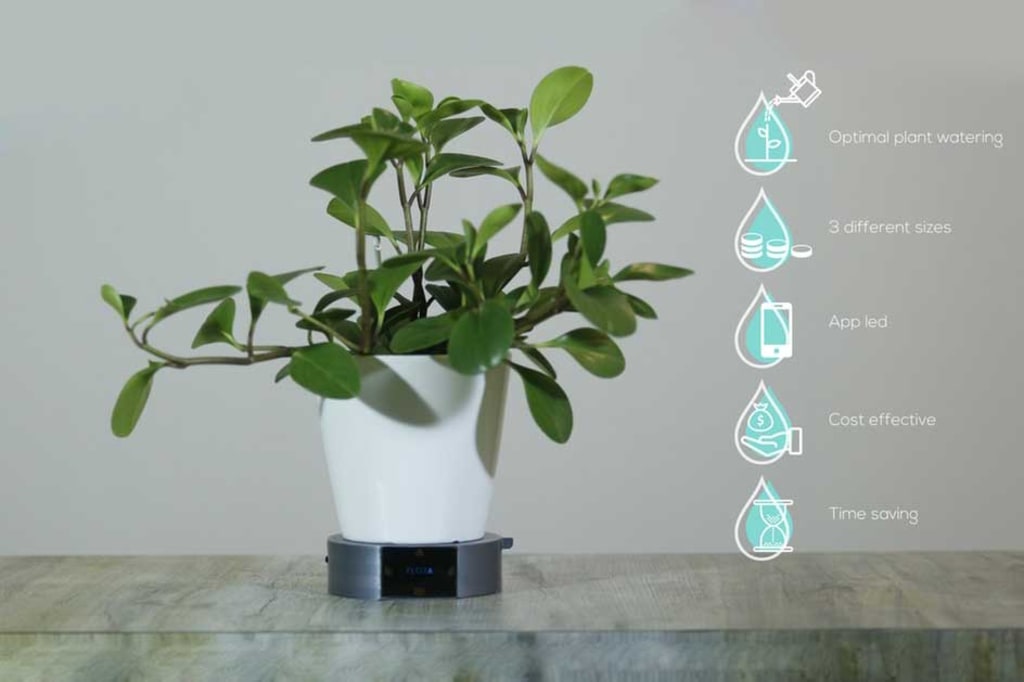
The quest for the perfect watering routine is the holy grail of houseplant care. It’s a dynamic equation with variables that change with the seasons, your home’s climate, and even the plant's growth cycle. But what if you could stop guessing? Modern plant care, powered by artificial intelligence, is moving beyond static advice to create dynamic, personalized watering wisdom that responds to your environment.
Why Your Calendar is the Enemy of Your Plants
Watering on a fixed schedule ignores the core factors that dictate a plant's thirst. Treating a living organism like a task on a to-do list is a recipe for stress, both for the plant and the plant parent.
- The Microclimate Matrix: The conditions in your home are unique. A room with south-facing windows, wooden floors, and active heating is a desert compared to a north-facing, carpeted, and frequently humidified room. A plant's water consumption can double or triple between these two spaces.
- The Seasonal Shift: A plant gulping water during the bright, long days of summer enters a state of semi-dormancy in winter. Watering the same amount year-round is like offering a hibernating bear a full summer feast.
- The Plant's Personal Growth: A plant actively pushing out new leaves is drinking heavily. One that is root-bound, recently repotted, or recovering from stress has different needs. A static schedule cannot adapt to the plant's life stages.
The result of this mismatch is often "love killing": well-intentioned overwatering, which suffocates roots and invites rot, is the number one cause of houseplant demise.
The New Science of Thirst: How AI Decodes Your Home's Data
This is where artificial intelligence transforms care from a chore into a precise science. Advanced plant care platforms don't just offer generic tips; they build a custom model for your plant's life. Here’s how the technology creates true watering wisdom:
- Personalized Plant Profiling: You start by telling the app what plant you have and where it lives. Is it a Monstera in a bright living room or a Fern in a low-light bathroom? The AI pulls from a vast botanical database to understand that species' baseline needs for moisture, but that's just the starting point.
- Environmental Integration: The smart system then layers in real-world data. By integrating with your smartphone's sensors or connected home devices, it can consider:
- Local Weather & Seasons: Is it a rainy, cloudy week or a dry, sunny heatwave? The AI adjusts its recommendations based on outdoor conditions that affect your indoor climate.
- In-Home Conditions: Some apps allow you to input or can estimate factors like room temperature and general humidity levels, fine-tuning the advice further.
3. The Learning Loop: The most powerful feature is machine learning. When you use the app to log watering or confirm a diagnosis, it learns. If you report a plant is thriving, it reinforces that the current watering rhythm is working. If you report yellow leaves, it can ask follow-up questions and adjust its future recommendations for that specific plant in that specific spot. Over time, the AI isn't just giving textbook advice—it's learning the unique rhythm of your home.
Creating Your Custom Watering Schedule: A Step-by-Step Guide
You don't need to be a tech expert to apply this wisdom. Here is a practical guide to moving from a calendar-based to a condition-based watering routine.
Step 1: Conduct a Home Environment Audit
Grab a notepad and answer these questions for each plant's location:
- Light Intensity: Is it direct sun, bright indirect, medium, or low light? (Use a light meter app for accuracy).
- Airflow: Is it a still corner or a drafty hallway near a vent?
- Heat & Humidity: Does the room get hot and dry from afternoon sun or a radiator? Is it naturally humid like a kitchen or bathroom?
- Pot & Soil: Is the pot porous (terracotta) or non-porous (glazed ceramic, plastic)? Does the soil mix drain quickly (sandy, with perlite) or retain moisture (peat-heavy)?
Step 2: Learn the Universal Test (And Use Tech to Confirm)
Forget the schedule; your primary tool is your finger or a simple wooden chopstick.
- The Finger Test: Insert your finger into the soil up to the second knuckle. If it feels dry, it's usually time to water. If it feels moist or soil sticks to your finger, wait.
- The Weight Test: Lift the pot. A pot that feels very light is dry; a heavy pot still has plenty of moisture.
- Tech Assist: You can take a photo of the plant or describe its symptoms. The AI can cross-reference your visual data with its plant profile and your logged history to give a confident "water now" or "hold off" recommendation, helping you calibrate your own senses.
Step 3: Build a Dynamic Routine
Based on your audit, create a flexible framework. Use the table below as a starting guide for how environmental factors typically shift watering frequency:
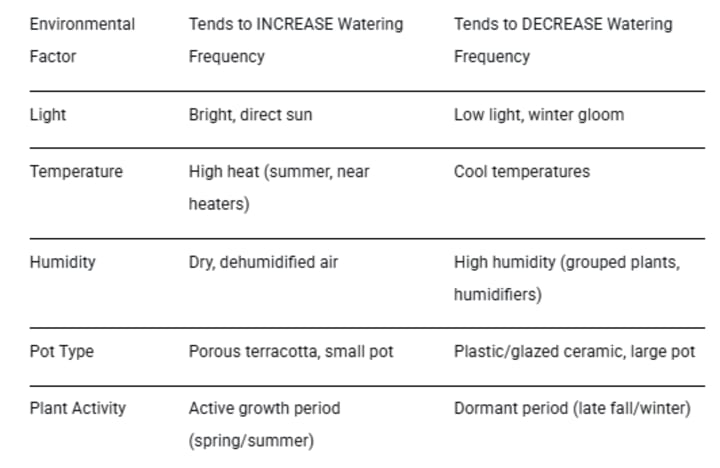
Your routine becomes: "Check my succulents in the south window every 7-10 days in summer, but only every 3-4 weeks in winter. Check my peace lily in the cool bedroom every 5 days in summer, but every 10-14 days in winter."
Step 4: Observe, Log, and Refine
Your plants will give you feedback. A consistently wilted plant may need more frequent water or a soil mix that retains moisture better. Yellow, soft leaves scream overwatering.
- Keep a simple journal or use an app's logging feature to note when you water and how the plant responds.
- This record is invaluable. It turns you from a passive scheduler into an active plant carer, and it provides the essential data for any AI tool to give you the best possible advice.
The goal is not to create a new rigid schedule, but to develop an intuitive understanding. Technology like AI Plant Finder acts as your co-pilot, processing the complex data so you can make confident decisions. By partnering a mindful human with smart technology, you can finally solve the watering puzzle, ensuring every plant gets the right drink at the right time for a long, vibrant life.
About the Creator
Emma Wallace
Director of Research and Development at AI Plant Finder (Author)
Emma Wallace is an esteemed researcher and developer with a background in botany and data analytics.
Keep reading
More stories from Emma Wallace and writers in Earth and other communities.
Beyond the Basic Green: AI's Picks for the Most Stunning Colorful Houseplants
The secret to keeping these botanical jewels radiant isn't just guesswork. By understanding light—the non-negotiable fuel for all plants—and learning to measure it, you can stop struggling and start showcasing. This guide, informed by plant care technology and horticultural expertise, will help you select and sustain the most stunning colorful houseplants.
By Emma Wallacea day ago in Earth
Full Moon Snow Moon
On cold winter nights, when the air feels sharper and the sky appears unusually clear, the Moon often seems brighter and more commanding than at any other time of year. One of the most evocative lunar events of winter is the full moon Snow Moon, a name that carries both astronomical meaning and deep cultural history. Beyond its poetic title, the Snow Moon invites people to look up, reflect on the rhythms of nature, and ask timeless questions—like what planet is next to the moon tonight?
By Saboor Brohi 5 days ago in Earth
Polar Vortex Collapse Explained: Why Scientists Are Closely Watching This Dangerous Winter Phenomenon
Introduction: What Is the Polar Vortex and Why Is Everyone Talking About It? In recent years, the term “polar vortex” has become common in winter weather headlines. When extreme cold sweeps across North America or Europe, the polar vortex is often blamed. But many people still ask an important question: What exactly is the polar vortex, and why are scientists so concerned about its collapse?
By Adil Ali Khan9 minutes ago in Earth



Comments
There are no comments for this story
Be the first to respond and start the conversation.