
Full Moon Snow Moon
Winter Sky Event That Captures Wonder


On cold winter nights, when the air feels sharper and the sky appears unusually clear, the Moon often seems brighter and more commanding than at any other time of year. One of the most evocative lunar events of winter is the full moon Snow Moon, a name that carries both astronomical meaning and deep cultural history. Beyond its poetic title, the Snow Moon invites people to look up, reflect on the rhythms of nature, and ask timeless questions—like what planet is next to the moon tonight?
This article explores the origins, science, and quiet magic of the Snow Moon, while also explaining why the Moon sometimes appears to travel with a bright planetary companion.
---
What Is the Full Moon Snow Moon?
The full moon Snow Moon is the traditional name given to the full Moon that occurs in February. The name originates from Indigenous tribes of North America, particularly the Algonquin people, who tracked time through lunar cycles rather than modern calendars. February was historically the snowiest month in many regions, making travel and hunting difficult. As a result, the Moon that rose during this period became known as the Snow Moon.
Over time, these lunar names were preserved in farming almanacs and passed into popular culture. While the Snow Moon does not look physically different from other full Moons, its seasonal context gives it a distinct identity.
Astronomically speaking, a full Moon occurs when the Moon is positioned opposite the Sun, with Earth in between. This alignment allows the Moon’s face to be fully illuminated, creating the bright, round disk visible throughout the night.
---
Why the Snow Moon Feels Brighter
Many skywatchers notice that winter full Moons seem especially luminous. This is not just imagination. During winter months in the Northern Hemisphere, the Moon’s path across the sky is higher and longer, allowing it to stay visible for extended periods. Cold air also tends to be clearer and drier, reducing atmospheric distortion.
When snow blankets the ground, it reflects moonlight, amplifying brightness and giving landscapes a soft, glowing appearance. Under a Snow Moon, even familiar surroundings can feel transformed—quiet, reflective, and slightly otherworldly.
---
Cultural Meanings of the Snow Moon
Across cultures, the Snow Moon has symbolized endurance, patience, and preparation. In traditional communities, February was a time of scarcity, when stored food ran low and survival depended on resilience. The Moon served as a reminder that winter, no matter how harsh, was temporary.
In modern interpretations, the Snow Moon is often associated with introspection. It marks a midpoint between the start of the year and the arrival of spring, encouraging people to pause, reassess goals, and conserve energy before renewal begins.
---
What Planet Is Next to the Moon Tonight?
One of the most common questions during any full Moon event is: what planet is next to the moon tonight? The answer depends on timing, location, and the movements of planets along the ecliptic—the same path the Sun and Moon follow across the sky.
The Moon frequently appears near bright planets because they all orbit within roughly the same plane. The most common planetary companions include:
Venus, often the brightest object in the night sky after the Moon. When nearby, it shines with a steady, white glow.
Jupiter, large and luminous, sometimes appearing as a brilliant point close to the Moon.
Saturn, softer and golden in tone, often visible when skies are clear.
Mars, identifiable by its reddish hue, though it is dimmer than Venus or Jupiter.
These close visual pairings are known as conjunctions. They are not signs that the Moon and planet are physically close in space, but rather that they appear near each other from Earth’s perspective.
If you’re curious about what planet is next to the Moon on a specific night, astronomy apps, star charts, or local sky guides can provide accurate, up-to-date answers based on your location.
---
The Snow Moon and Stargazing
The Snow Moon offers an excellent opportunity for casual stargazing. While the brightness of a full Moon can wash out faint stars, it enhances visibility of brighter objects like planets and constellations.
During February evenings, constellations such as Orion, Taurus, and Gemini often dominate the sky. When a planet appears near the Moon, it becomes easier for beginners to identify celestial bodies without telescopes or advanced equipment.
Even a few minutes of quiet observation can reconnect people with the natural world, especially during winter when outdoor experiences are limited.
---
Scientific Significance Without the Hype
It’s important to note that the Snow Moon does not exert unusual physical effects on Earth beyond the normal gravitational influence shared by all full Moons. Tides, for example, behave as expected during any full Moon phase.
What makes the Snow Moon special is not scientific rarity, but human perspective. Its timing during the depth of winter gives it emotional and symbolic weight that resonates across generations.
---
A Moment to Look Up
In a fast-moving digital world, the full moon Snow Moon offers a quiet pause. It doesn’t demand attention with dramatic events or rare alignments. Instead, it invites stillness. Whether you notice a bright planet nearby and wonder what planet is next to the moon tonight, or simply admire its glow against a cold sky, the Snow Moon reminds us that some of the most meaningful experiences are also the simplest.
As winter continues and spring slowly approaches, this lunar moment stands as a gentle marker of time—steady, reliable, and beautifully unchanged.
About the Creator
Saboor Brohi
I am a Web Contant writter, and Guest Posting providing in different sites like techbullion.com, londondaily.news, and Aijourn.com. I have Personal Author Sites did you need any site feel free to contact me on whatsapp:
+923463986212
Keep reading
More stories from Saboor Brohi and writers in Earth and other communities.
Deadly Nipah Virus Outbreak
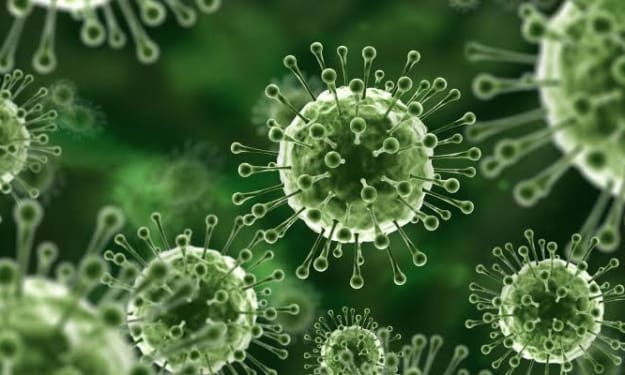
In recent years, the world has become painfully familiar with viral outbreaks. From COVID-19 to Ebola, infectious diseases have repeatedly reminded humanity how fragile global health systems can be. Among these threats, the Nipah virus stands out as one of the deadliest and least understood viruses, capable of causing severe illness and sudden outbreaks with devastating consequences. Although Nipah virus outbreaks are relatively rare, their high fatality rate and lack of a specific cure make them a serious public health concern. Each new outbreak reignites fears and highlights the urgent need for awareness, preparedness, and global cooperation. What Is the Nipah Virus? The Nipah virus is a zoonotic virus, meaning it spreads from animals to humans. It was first identified in 1998 during an outbreak among pig farmers in Malaysia. Since then, cases have been reported mainly in South and Southeast Asia, including Bangladesh and India. Fruit bats, particularly those from the Pteropus species, are considered the natural carriers of the virus. These bats often show no symptoms but can transmit the virus to humans either directly or through intermediate hosts such as pigs. Human-to-human transmission has also been documented, making outbreaks especially difficult to contain. How Nipah Virus Spreads One of the most alarming aspects of the Nipah virus outbreak is how easily it can spread in certain environments. Common modes of transmission include: Direct contact with infected animals Consumption of food contaminated by bat saliva or urine, such as raw date palm sap Close contact with infected individuals, especially in healthcare or household settings In many affected regions, traditional practices and limited access to healthcare increase the risk of exposure. Once the virus enters a community, it can spread rapidly if preventive measures are not taken seriously. Symptoms and Severity The symptoms of Nipah virus infection can vary widely, which often makes early diagnosis difficult. Initial symptoms may resemble common illnesses, including: Fever Headache Muscle pain Vomiting and sore throat However, the disease can quickly progress to severe neurological complications such as encephalitis (brain inflammation). In advanced cases, patients may experience confusion, seizures, coma, and respiratory distress. What makes Nipah virus particularly deadly is its high mortality rate, which has ranged from 40% to as high as 75% in some outbreaks. Survivors may also suffer long-term neurological problems, significantly impacting their quality of life. Recent Outbreaks and Global Concern Each new Nipah virus outbreak raises international alarm, not only because of its fatality rate but also due to its potential to spark a larger epidemic. The World Health Organization (WHO) has listed Nipah virus as a priority pathogen, meaning it has the potential to cause a public health emergency with limited treatment options available. Recent outbreaks, even when limited to a few cases, have required massive public health responses, including contact tracing, quarantines, and community lockdowns. These measures, while effective, place immense strain on healthcare systems and local economies. The fear is not just about the present outbreak but about the virus’s potential to mutate and spread more efficiently among humans in the future. Why There Is No Cure Yet Currently, there is no specific antiviral treatment or approved vaccine for the Nipah virus. Medical care focuses on managing symptoms and providing supportive treatment, such as respiratory support and intensive care when needed. Several experimental treatments and vaccines are under development, but progress is slow due to the sporadic nature of outbreaks and limited funding compared to more widespread diseases. This lack of a cure makes prevention the most powerful tool in fighting Nipah virus outbreaks. Prevention and Control Measures Preventing a Nipah virus outbreak relies heavily on public awareness and early action. Key preventive strategies include: Avoiding consumption of raw or unprocessed foods that may be contaminated Limiting contact with bats and sick animals Using protective equipment when caring for infected individuals Strengthening infection control practices in hospitals Governments and health organizations also play a crucial role by monitoring potential hotspots, educating communities, and responding swiftly to suspected cases. The Role of Global Awareness The deadly nature of the Nipah virus is a stark reminder that global health threats do not respect borders. An outbreak in a small village can quickly become an international concern if ignored. This is why transparency, rapid reporting, and global cooperation are essential. Raising awareness through accurate information helps prevent panic while encouraging responsible behavior. Media outlets, healthcare professionals, and policymakers must work together to ensure communities understand both the risks and the protective measures. Looking Ahead As the world continues to recover from recent pandemics, the Nipah virus outbreak serves as a warning rather than a prediction. It highlights the importance of investing in research, strengthening healthcare infrastructure, and respecting the delicate balance between humans and wildlife. While Nipah virus may not yet be a household name, its potential impact is undeniable. Preparedness today can save countless lives tomorrow. By staying informed and supporting global health initiatives, humanity can reduce the risk posed by this silent but deadly threat.
By Saboor Brohi 4 days ago in Earth
The Collapse of a Brazilian Bank Ensnares Politicians and Judges
Brazil is grappling with one of the most shocking financial scandals in recent history: the collapse of a major bank that has sent tremors through the economy, the political system, and the judiciary. What began as a financial crisis quickly transformed into a story of political entanglement, judicial scrutiny, and public outrage, raising questions about oversight, accountability, and the fragile trust that binds citizens, bankers, and politicians. The implications of this collapse are vast, affecting not just shareholders and depositors, but also shaking the foundations of governance in Brazil. The Collapse: A Perfect Storm of Mismanagement The bank in question, a significant player in Brazil’s retail and corporate banking sectors, reportedly faced years of mismanagement, risky lending practices, and opaque financial dealings. For years, internal audits hinted at irregularities, but these warnings were either ignored or covered up. When the collapse finally occurred, thousands of customers lost access to their accounts, and businesses relying on the bank for loans and credit lines faced immediate disruption. The ripple effect extended beyond the banking sector, affecting real estate, commerce, and public confidence in financial institutions. Politicians in the Crossfire As investigations unfolded, authorities discovered that several politicians had deep financial ties to the bank. Allegations include preferential loans, insider deals, and the use of political influence to shield executives from scrutiny. These revelations have sparked outrage among the public, who see the situation as yet another example of how money and power intersect in ways that harm ordinary citizens. Brazil’s history of corruption scandals — including Operation Car Wash — has made the public wary of politicians’ involvement in business, and this banking collapse appears to confirm those fears. Some politicians are now under formal investigation, facing charges ranging from corruption to conflict of interest. Legal experts predict that the case could lead to resignations, trials, and possibly convictions. Judges Under Scrutiny The crisis has also ensnared members of the judiciary. Reports indicate that some judges may have overlooked warning signs, delayed investigations, or facilitated questionable transactions involving the bank. While it is unclear whether these actions were deliberate or a result of systemic inefficiencies, the optics are troubling. Public confidence in the judiciary is essential for democracy, yet this scandal highlights the vulnerability of institutions when financial and political interests collide. Brazilian citizens are now demanding transparency, calling for independent oversight to ensure justice is applied equally — whether to bankers, politicians, or judges. Economic and Social Fallout Beyond politics and the courts, the bank’s collapse has real-world consequences for everyday Brazilians. Customers report frozen accounts, lost savings, and halted payments. Small business owners face canceled loans and delayed contracts. Even those not directly affected worry about contagion in the financial system, fearing a broader economic downturn. Experts warn that if regulatory systems fail to prevent similar crises, Brazil’s economic growth could slow, foreign investment could decline, and public trust in institutions may erode further. The social cost — protests, strikes, and political unrest — is already visible in major cities. Why Oversight Failed The collapse raises important questions about regulation in Brazil. Financial watchdogs and central bank authorities are under pressure to explain how such a significant failure went unnoticed. Analysts suggest several systemic issues: Weak regulatory enforcement — audits and compliance checks were reportedly insufficient. Political interference — pressure from powerful politicians may have delayed corrective measures. Opaque financial practices — complex corporate structures and hidden liabilities masked the bank’s instability. This combination created a perfect storm, allowing risky practices to continue unchecked until the bank could no longer operate. Lessons for Brazil and Beyond The scandal is more than a national story — it is a cautionary tale for emerging economies worldwide. Financial institutions, no matter how large or influential, cannot be above scrutiny, and political entanglements must be carefully managed. Transparency, independent oversight, and robust regulatory frameworks are essential to prevent similar disasters. In countries where finance and politics overlap too closely, the risk of systemic failure is amplified, with devastating consequences for ordinary citizens. What Happens Next? Brazilian authorities are now facing immense pressure to act swiftly. Investigations will likely continue for months, if not years. Some potential outcomes include: Trials and convictions of bank executives and politicians Reforms in banking regulations and financial oversight Strengthened judicial accountability mechanisms Measures to restore public confidence in the financial system Meanwhile, citizens and businesses are left to navigate uncertainty, hoping for clear answers and protections against further damage. Final Thoughts The collapse of this Brazilian bank is more than a financial event — it is a story about the fragility of systems where money, politics, and justice intersect. It serves as a stark reminder that trust is the foundation of both banking and governance. When that trust is broken, the consequences are profound and far-reaching. For Brazil, this is a moment of reckoning. For the world, it is a cautionary tale about the need for transparency, oversight, and accountability in every institution that touches the lives of millions.
By Muhammad Hassan7 days ago in Earth



Comments
There are no comments for this story
Be the first to respond and start the conversation.