
The Platypus, a Unique Mammal Threatened by Dams and Climate Change
who don't know ? The platypus is the strangest egg-laying, duck-billed, venomous mammal in the world.

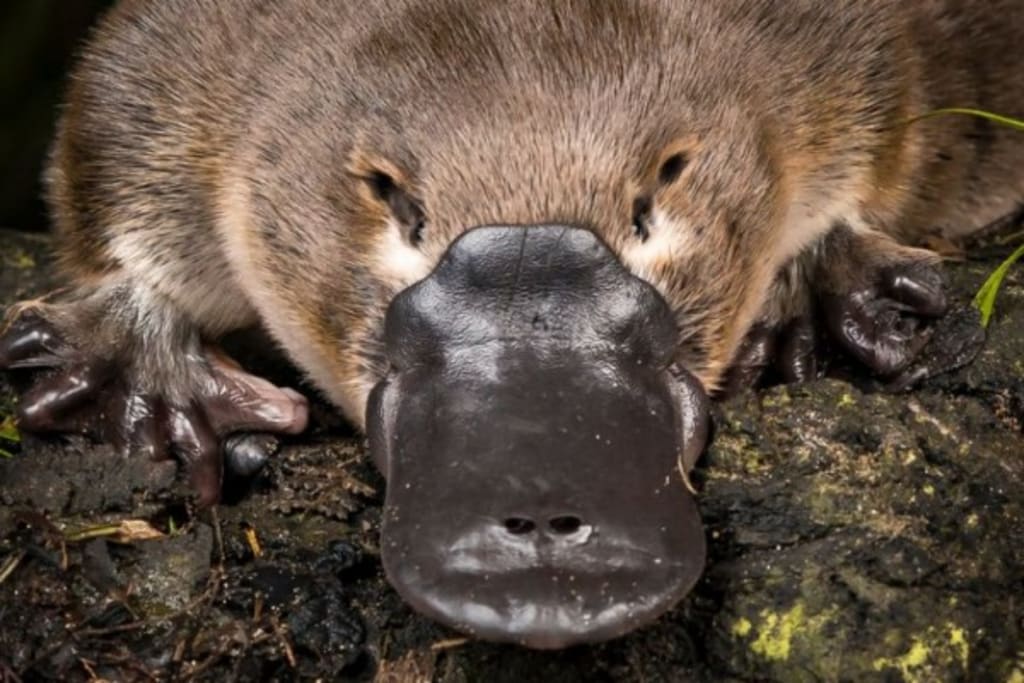
Platypuses have faced many threats, including climate change, habitat loss, pollution, and invasive species.
In 2008, study published in Nature found that the platypus’ genetic code consists of a mix of mammals, birds, and reptiles.
In a study published Thursday in the journal Communications Biology, scientists found that dams limit platypus migration and cause inbreeding.
Pete Walsh, an Australian urban resident in Tasmania, is obsessed with one of nature’s least understood creatures, the platypus (Ornithorhynchus anatinus). Maybe because this animal is mysterious. An egg-laying, duck-billed, venomous, feathered mammal.
But Pete was furious. The platypus’ natural environment is now threatened by development in the capital Hobart.
With the help of experts, Pete sets out on a mission to rally his community and save this species before it’s too late. He said that this excellent swimming animal was able to change his life.
During this endeavor, Pete befriends a female platypus he names “Zoom.” Zoom lets Pete into its secretive world, and Pete learns more about the lives of this mysterious species.
Zoom’s behavior explains survival techniques and provides insight into how this species should be protected. “You can’t keep taking from nature. “He (the platypus) is an inspiration for anyone who wants to unite his community and protect the world around him,” he said.
Platypuses have faced many threats, including climate change, habitat loss, pollution, and invasive species. Although not yet considered endangered, their numbers are declining and some local populations have become extinct. Now, scientists have discovered another threat caused by humans: the construction of dams on the rivers they inhabit.
Unique platypus. However, it is a mammal that lives in water but is capable of laying eggs.
In a study published Thursday in the journal Communications Biology, scientists found that dams limit platypus migration and cause inbreeding. Disturbances in migration can cause genetic weaknesses. However, until now, there is no strong data that proves this happens to platypuses.
For two years, researchers observed platypus populations in five rivers that had dams and four rivers that did not have dams in Southeast Australia. They collected blood samples from 274 individual platypuses to study their DNA.
With this genetic analysis, scientists finally concluded that dams pose a serious threat, not only because they destroy habitat, but also disrupt evolution.
It’s quite surprising indeed. However, when viewed from a genetic level, there are striking differences between populations living in dammed and undammed rivers.
“When there is no migration between populations, and the populations are small, genetic diversity within each group decreases rapidly,” said Luis Mijangos, a researcher at the University of New South Wales in Australia, who is also a co-author of the study. as quoted by The New York Times. “If there are mutations that allow individuals to adapt to climate change, they will not spread to other populations.”
Platypuses only live naturally in eastern Australia and Tasmania, and it is estimated that only 300,000 remain in the world. In dammed rivers, they divide into small, genetically distinct groups above and below the dam, leading to inbreeding and a reduction in their numbers.
“Platypus populations have declined by about 30 percent over the past few decades, and we knew that dams were a problem,” Mijangos said, “but we didn't know how big the problem was.”
Besides climate change, he said, dams are one of the most significant threats to animal survival.
Even though its length is around 30 cm to 60 cm, the platypus can climb dams. However, the ability to climb alone is not enough to find food sources.
According to Australian Museum records, this animal spends about 10-12 hours per night in the water hunting for food; they are most active in the afternoon to evening. They can only stay underwater for 30 to 140 seconds.
Platypuses are carnivores, meaning they eat meat but not plants. Surprisingly, adult platypuses have no teeth. They chew their food with pads made of keratin, a fibrous protein similar to that found in human nails and hair.
The platypus has a tail like an otter, webbed feet, nostrils that close tightly to find food underwater, and feet on the sides of its body. It actually looks more like a reptile than other mammals because it tends to have legs underneath its body.
About the Creator
Wisnu ms
a simple man
Why Fruit Shell Biomass Is Perfect for Charcoal Making: A Property Analysis
When it comes to sustainable charcoal production, not all biomass materials are created equal. Among the various options—from wood chips to agricultural residues—fruit shell biomass (such as walnut shells, coconut shells, peanut shells, and almond shells) stands out as an ideal candidate. Its unique physical and chemical properties not only make the charcoal making process more efficient but also result in high-quality charcoal with versatile applications. In this post, we’ll break down the key properties that make fruit shell biomass a top choice for charcoal production, and touch on how these properties interact with charcoal making equipment to optimize outcomes.
By Bestonpyrolysis5 days ago in Earth
Five-Year-Old Liam Ramos and His Father Released From Texas Detention Center
The release of five-year-old Liam Ramos and his father from a Texas detention center has sparked renewed discussion about immigration detention policies, family separations, and humanitarian treatment standards. The case has attracted attention from advocacy groups, legal experts, and community organizations, highlighting the complex balance between border enforcement and human rights considerations.
By Aarif Lashari7 days ago in Earth
Writing About Writing: The Rainbow Trap
The good thing about living in modern times is that LGBTQ representation in media is increasing. Not just in niche and Independant media, either, but also in mainstream media. Books, movies, TV shows, comics... they're finally catching on that LGBTQ+ people form a significant part of their audience, and deserve to see themselves on screen and in fiction, not just as victims in documentaries and true crime shows.
By Natasja Rose4 days ago in Writers


Comments
There are no comments for this story
Be the first to respond and start the conversation.