
Why Fruit Shell Biomass Is Perfect for Charcoal Making: A Property Analysis
Matching Raw Material Traits with Charcoal Production Efficiency

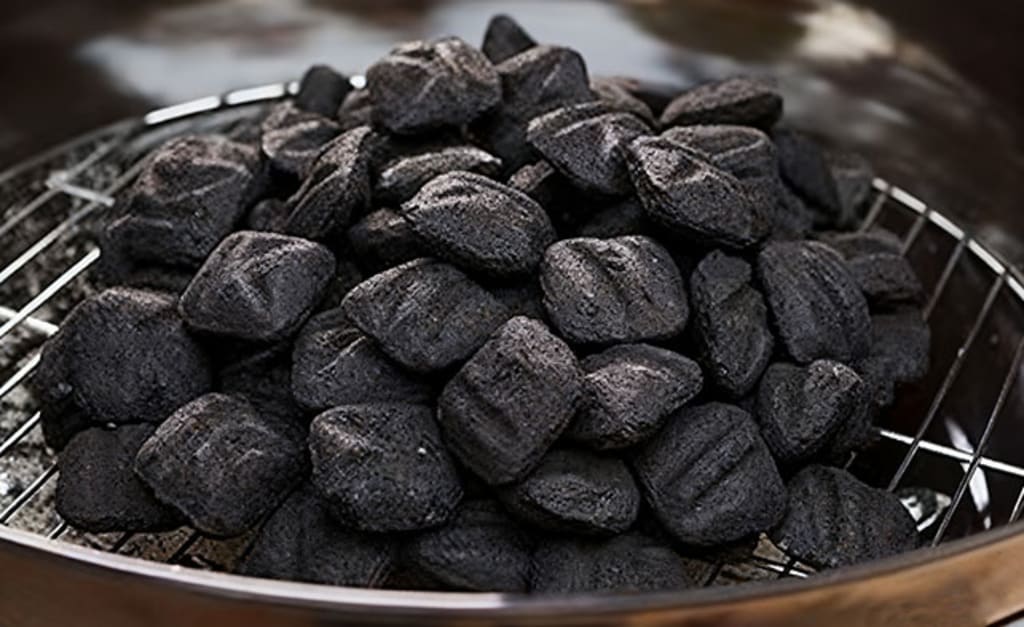
When it comes to sustainable charcoal production, not all biomass materials are created equal. Among the various options—from wood chips to agricultural residues—fruit shell biomass (such as walnut shells, coconut shells, peanut shells, and almond shells) stands out as an ideal candidate. Its unique physical and chemical properties not only make the charcoal making process more efficient but also result in high-quality charcoal with versatile applications. In this post, we’ll break down the key properties that make fruit shell biomass a top choice for charcoal production, and touch on how these properties interact with charcoal making equipment to optimize outcomes.
1. High Fixed Carbon Content: The Foundation of Quality Charcoal
Fixed carbon is the core component of charcoal that determines its calorific value (heat output) and burning efficiency. Unlike many other biomass materials (e.g., straw or softwood), fruit shells have a naturally high fixed carbon content—typically ranging from 70% to 85% after carbonization. This means that when processed correctly, they yield charcoal that burns longer, hotter, and with less smoke compared to charcoal made from low-fixed-carbon materials.
For charcoal making equipment, this high fixed carbon content translates to a more efficient carbonization process. Equipment like continuous carbonization furnaces or batch-type kilns require less energy to convert the biomass into charcoal, as the material already has a high concentration of carbon-rich compounds. Additionally, the high fixed carbon content reduces the formation of tar and other byproducts, minimizing clogging and maintenance needs for the charcoal making equipment.
2. Low Moisture Content: Reducing Energy Consumption in Carbonization
Moisture content is a critical factor in charcoal production, as excess moisture requires extra energy to evaporate during the carbonization process—wasting fuel and extending processing time. Fruit shell biomass naturally has a low moisture content (usually between 8% and 15% when dried), which is significantly lower than materials like fresh wood (20-30%) or agricultural straw (15-25%).
This low moisture content is a huge advantage for both small-scale and large-scale charcoal production. For small producers using simple charcoal making equipment (such as earth kilns), it means faster drying times and less fuel needed to reach the high temperatures required for carbonization (typically 400-600°C). For industrial operations using advanced charcoal making equipment (like rotary kilns or pyrolysis machines), it optimizes the entire production line, reducing energy costs and increasing throughput.
3. Ideal Density and Hardness: Enhancing Charcoal Durability
Fruit shells are naturally dense and hard, thanks to their compact cellular structure. This physical property translates to charcoal that is dense, hard, and resistant to breakage—known as “hard charcoal.” Unlike soft charcoal (made from materials like pine wood), hard charcoal made from fruit shells does not crumble easily during transportation or use, making it more appealing to consumers and industrial users alike.
From the perspective of charcoal making equipment, the density and hardness of fruit shells also offer practical benefits. During the crushing and granulating stages (if briquetted charcoal is being produced), the hard, dense particles mix more uniformly and bind better with binders (if used), resulting in high-quality briquettes. Additionally, the durability of the raw material reduces wear and tear on charcoal making equipment, such as crushers, mixers, and extruders, extending their lifespan and reducing maintenance costs.
4. Low Ash Content: Minimizing Waste and Improving Charcoal Quality
Ash content refers to the inorganic residues left behind after charcoal burns. High ash content not only reduces the calorific value of charcoal but also creates more waste, which can be problematic for both domestic and industrial use. Fruit shell biomass has extremely low ash content—usually less than 5%—making it far superior to materials like coal (10-20%) or some agricultural residues (5-10%).
For charcoal making equipment, low ash content means less residue buildup inside carbonization furnaces and other machinery. This reduces the frequency of cleaning required, keeping the equipment running smoothly and efficiently. Furthermore, the low ash content of the final charcoal product makes it ideal for applications where clean burning is essential, such as barbecuing, heating, and even industrial processes like metallurgy.
5. Abundant and Renewable: Ensuring Long-Term Sustainability
Beyond its physical and chemical properties, fruit shell biomass is also an abundant and renewable resource. Every year, millions of tons of fruit shells are produced as byproducts of the food processing industry—walnut shells from nut processing, coconut shells from coconut oil production, and peanut shells from peanut harvesting. Instead of being discarded as waste (which contributes to environmental pollution), these shells can be repurposed for charcoal production, creating a circular economy.
This abundance makes fruit shell biomass a cost-effective raw material for charcoal production, regardless of the scale. For small-scale producers, it is often readily available locally, reducing transportation costs. For large-scale operations, the consistent supply ensures that charcoal making equipment can run continuously, maximizing productivity.
Conclusion: Fruit Shell Biomass + Proper Equipment = Optimal Charcoal
The unique combination of high fixed carbon, low moisture, ideal density, low ash content, and abundance makes fruit shell biomass the perfect raw material for charcoal production. These properties not only result in high-quality, versatile charcoal but also optimize the performance of charcoal making equipment—reducing energy consumption, minimizing maintenance, and increasing efficiency.
Whether you’re a small-scale producer using a simple kiln or an industrial operation with advanced charcoal making equipment, fruit shell biomass offers a sustainable, cost-effective, and high-performance solution for charcoal production. As the world shifts toward more eco-friendly energy sources, fruit shell charcoal is poised to play an increasingly important role—and its unique properties are what make that possible.
About the Creator
Bestonpyrolysis
Engaged in waste plastic/tyre/rubber recycling, oil sludge treatment, biomass recycling, sewage sludge management and paper recycling…
https://bestonpyrolysisplant.com/
Keep reading
More stories from Bestonpyrolysis and writers in Earth and other communities.
The Impact of Biochar Stability: How Fixed Carbon Dictates Sequestration Success
In the urgent global effort to scale effective carbon dioxide removal (CDR), biochar has emerged as a leading contender. But not all biochar is equal in its climate-fighting power. The true measure of its long-term sequestration potential lies in one critical property: the stability of its fixed carbon. Understanding this is key to maximizing biochar's role in our carbon toolbox.
By Bestonpyrolysis8 days ago in Earth
A Love Forboding
The chipped stone slope caused unbearable footing. I slid, skirting on my heels. I cast my shield, relinquishing my guard to stay upright. Left with my double-edge and a prayer to the maker, I skated toward my objective. The earthly stubble gave way to solid ground. I found myself restored, a trail of dust in my wake.
By James U. Rizzi5 days ago in Fiction



Comments
There are no comments for this story
Be the first to respond and start the conversation.