
The Greenhouse Effect: A Threat to Our Planet
A Personal Reflection on How We’re All Connected to a Warming World

I remember the first time I heard the term “greenhouse effect.” I was twelve, sitting cross-legged in my grandmother’s backyard garden. It was a warm spring afternoon. Bees hovered lazily over the lavender bushes, and the scent of tomatoes ripening on the vine lingered in the air.
My grandmother, a woman who believed that everything in nature had a soul, was gently pruning her roses. “The Earth is like a greenhouse, you know,” she said, almost absentmindedly.
I tilted my head, confused. “Like those glass houses?”
She nodded. “Yes. But ours doesn’t have glass. It has gases. Too much of them, and the planet gets too warm. Just like a greenhouse left in the sun for too long.”
I didn’t understand the science behind it then, but something about the way she said it—the quiet concern in her voice—stuck with me. Now, decades later, I finally understand what she meant. And I finally feel the urgency she must have carried in her heart.
A Warming Memory
The last time I visited that backyard, it wasn’t the same. The roses were struggling in the heat. The tomatoes, once vibrant and full, were small and shriveled. The bees? Gone. My grandmother had passed, and her garden—like so many natural places—was wilting under the weight of change.
That’s the thing about the greenhouse effect. It’s not just a scientific concept. It’s personal. It’s happening in our gardens, our cities, our forests, our oceans. It’s happening in the memories we hold dear and the futures we hope fo
The greenhouse effect is caused by the build-up of gases like carbon dioxide and methane in our atmosphere. These gases trap heat, warming the Earth in ways that are subtle at first, then staggering. While some of this is natural—and in fact essential for life—the balance has been disrupted. Human activity has accelerated this process to dangerous levels. The cars we drive, the factories we run, the forests we cut down—they all contribute.
And the results are impossible to ignore.
Real Lives, Real Consequences
Last summer, I visited a small coastal town where my friend Maya lives. It used to be known for its fishing community and cool sea breezes. But this year, the ocean was unusually warm. The fish had migrated further out. Storms had become more violent. Maya’s little cottage had flooded twice in just four months.
She looked at me with tired eyes as we stood outside her home, the sun beating down like never before. “It’s like the weather doesn’t recognize this place anymore,” she said.
And it’s not just Maya’s town. It’s happening everywhere. From wildfires in California to floods in Bangladesh, the signs are clear. The greenhouse effect has turned from a quiet whisper to a loud, urgent cry. Species are disappearing. Ice caps are melting. Children are growing up in a world where “normal weather” is no longer normal.
The Human Heart of the Crisis
Sometimes, when we talk about climate change and the greenhouse effect, it feels too big. Too distant. Too overwhelming. But when I think of my grandmother’s garden, or Maya’s flooded home, I remember: this isn’t just a science issue. It’s a people issue.
It’s the story of a farmer in Kenya who can’t rely on the rain anymore. It’s the story of a young girl in Louisiana who has to evacuate her home every hurricane season. It’s the story of animals losing their habitats and forests gasping for breath.
And it’s our story too.
Hope Is in the Small Things
I won’t lie. There are days when the news feels heavy. Days when I wonder if we’re too late. But then I remember something else my grandmother once told me: “The Earth is generous. Give her a little love, and she gives it back tenfold.”
And she was right.
In small communities around the world, people are fighting back with kindness and innovation. Solar panels on school rooftops. Community gardens thriving in the middle of cities. People biking instead of driving. Children planting trees for birthdays instead of blowing candles on plastic cakes.
We may not be able to undo all the damage, but we can slow it down. We can begin to heal. Each of us—no matter how small we feel—can be part of that change.
The Power of Choosing Differently
The greenhouse effect is a threat. That’s true. But threats can be faced. And they can be transformed—into lessons, into actions, into opportunities to grow.
When I shop now, I ask myself: do I really need this wrapped-in-plastic, shipped-across-the-world item? When I cook, I try to waste less, compost more. I’ve even started walking to work on sunny days, listening to birds instead of honking horns.
It’s not about being perfect. It’s about being conscious. Because consciousness turns into care, and care turns into change.
A Final Thought from the Garden
Sometimes I close my eyes and imagine my grandmother’s garden, restored. Bees buzzing. Roses blooming. Tomatoes plump and proud under the sun. A quiet, peaceful harmony.
That vision keeps me going. Because it reminds me of what’s possible—not just for me, but for all of us. The greenhouse effect doesn’t have to define our future. Our actions, our love, our unity—they can.
Moral / Life Lesson:
The greenhouse effect may be one of the greatest threats our planet faces, but it’s also one of the clearest calls for unity, awareness, and action. Every choice we make—no matter how small—has power. And together, those choices can protect the only home we’ve ever known. The Earth doesn’t need us to be perfect. It just needs us to care.
About the Creator
From Dust to Stars
From struggle to starlight — I write for the soul.
Through words, I trace the quiet power of growth, healing, and becoming.
Here you'll find reflections that rise from the dust — raw, honest, and full of light.
Keep reading
More stories from From Dust to Stars and writers in Earth and other communities.
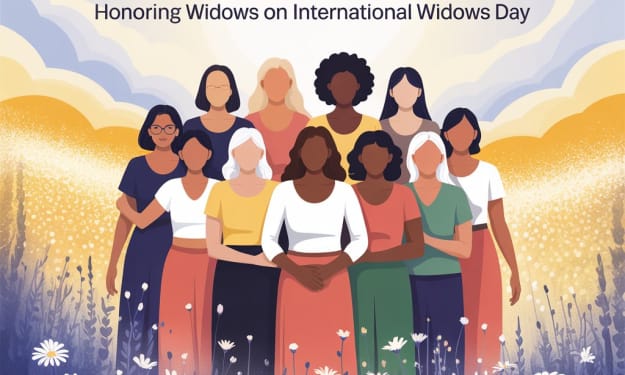
Invisible No More: Honoring Widows on International Widows Day
On a dusty morning in a small village in northern India, Mary rose before the sun. She tied her grey shawl tightly around her thin frame, walked to the well, and returned with water to wash the clothes she took in from wealthier neighbors. It was her only income. Her husband, Robert, had died six years ago in a road accident. Since then, she’d worn only white, eaten last at every gathering, and lived on the edge of her community — not by choice, but by tradition.
By From Dust to Stars9 months ago in Humans
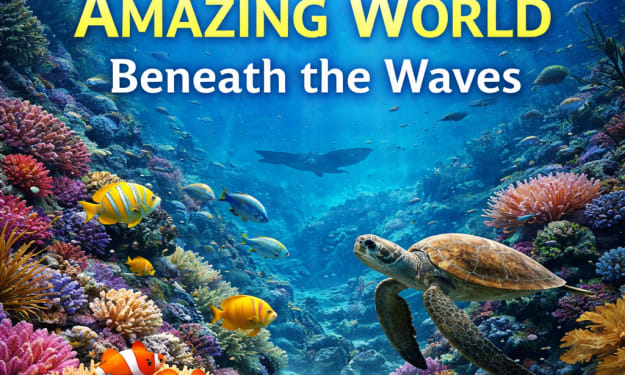
Exploring the Amazing World Beneath the Waves
Beneath the surface of the world’s oceans lies a vast and mysterious universe that few humans have truly experienced. Often described as Earth’s “final frontier,” the underwater world is filled with stunning landscapes, colorful creatures, and ecosystems that are both fragile and vital to life on our planet. From shallow coral reefs to the dark depths of the ocean floor, this hidden realm continues to amaze scientists, explorers, and nature lovers alike.
By Irshad Abbasi 4 days ago in Earth


Comments
There are no comments for this story
Be the first to respond and start the conversation.