
Invisible No More: Honoring Widows on International Widows Day
Shining a Light on the Strength, Struggles, and Silent Stories of Millions of Women Left Behind

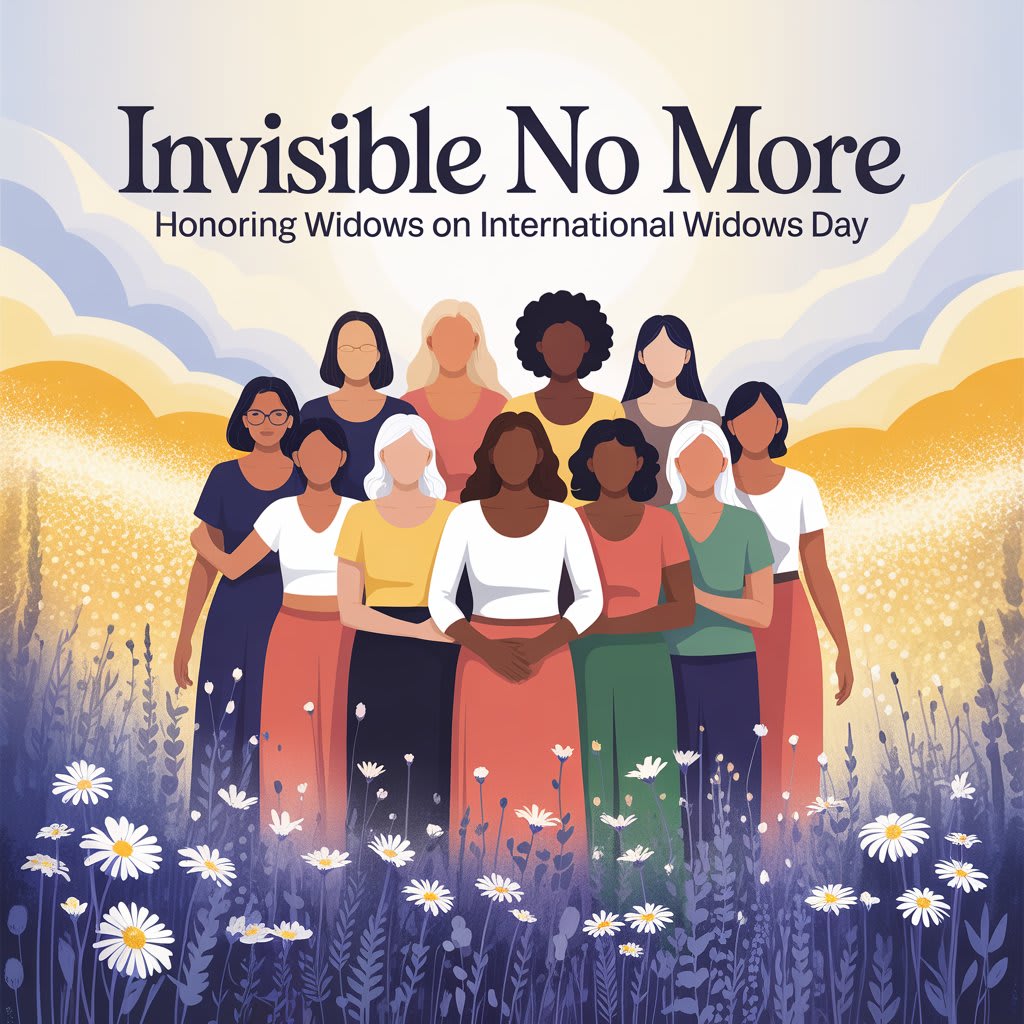
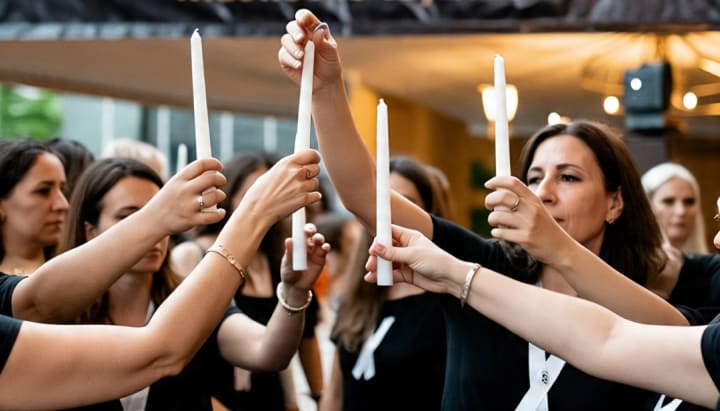
On a dusty morning in a small village in northern India, Mary rose before the sun. She tied her grey shawl tightly around her thin frame, walked to the well, and returned with water to wash the clothes she took in from wealthier neighbors. It was her only income. Her husband, Robert, had died six years ago in a road accident. Since then, she’d worn only white, eaten last at every gathering, and lived on the edge of her community — not by choice, but by tradition.
Mary is one of over 258 million widows worldwide — women who, after losing their spouses, are often left to fight a battle they never signed up for: a battle against invisibility.
A Silent Crisis
For most people, the word "widow" may conjure images of loss and sorrow. But for millions of women, widowhood means something deeper — isolation, injustice, and lifelong marginalization.
In many societies, especially in parts of Asia, Africa, and the Middle East, being a widow doesn't just mean losing a partner. It can mean losing one’s rights, one’s home, and sometimes even one’s children.
Some are forced out of their in-laws' homes. Others are accused of being the cause of their husband's death — treated as bad luck, shunned from weddings and religious ceremonies. Access to inheritance? Denied. Legal protection? Often nonexistent. Emotional support? Rarely available.
The Story Behind the Day
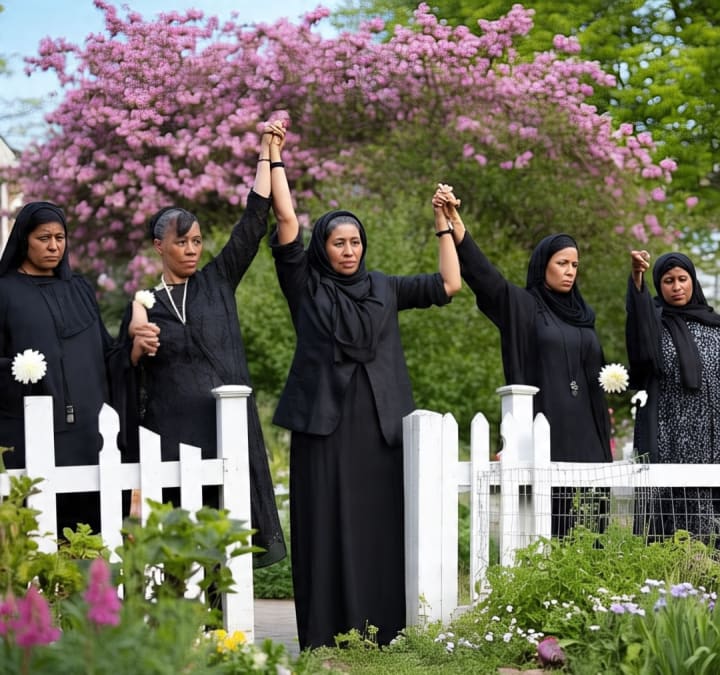
Recognizing this global injustice, International Widows Day was established on June 23 by the Loomba Foundation and later adopted by the United Nations in 2010.
It isn’t just a day to acknowledge widows — it’s a call to action. A call to make them visible, give them a voice, and fight for their dignity.
Real Stories, Real Struggles
Let’s go beyond statistics. Let’s meet a few more Marys — women whose stories often go untold.
Linda, a 34-year-old widow in Nigeria, lost her husband in a terror attack. The very next day, her brother-in-law tried to take over her property. When she resisted, she was beaten. Her community told her to accept it. She didn’t. She found a small NGO that helped her file a case. She won — but not without scars.
Carla, in Colombia, lost her husband to gang violence. Left with two children and no support, she began working as a street vendor. Every day, she battles poverty, crime, and a legal system that offers no security for single mothers like her.
Eleanor, an elderly widow in Japan, lives alone in a high-rise apartment in Tokyo. Though financially stable, she suffers from loneliness. With no children and few friends, her biggest fear isn’t death — it’s dying alone, forgotten.
These women live in different worlds, but their grief is stitched together by one common thread: society often forgets them as soon as their husbands are gone.
But Widows Are Not Weak
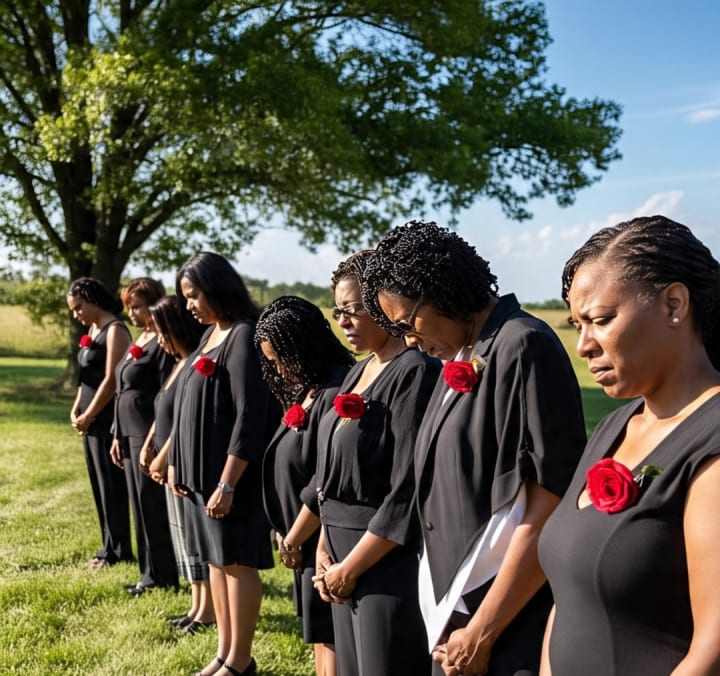
Despite the challenges, widows are far from weak. They are survivors. Fighters. Builders of new lives with the broken pieces of the old.
Take Nora Adams, a woman from Iraq who became a widow after being captured by extremists. She escaped, became an activist, and later received the Nobel Peace Prize for her work fighting sexual violence.
Or the widows of Rwanda who came together after the 1994 genocide to form cooperatives, grow businesses, and heal their communities — even marrying across former ethnic divisions.
Widows don’t need pity. They need policy, protection, and power.
What Needs to Change?
International Widows Day isn’t just symbolic. It’s a reminder of what needs to happen — globally and locally.
Here’s what governments, communities, and even individuals can do:
Legal Reform: Ensure widows have inheritance rights, land ownership, and access to legal justice.
Social Inclusion: End harmful traditions that shame widows. Encourage community leaders to support and include them.
Economic Empowerment: Provide access to jobs, education, and microloans so widows can support themselves and their families.
Mental Health Support: Create community centers, counseling options, and support groups to combat loneliness and depression.
Amplify Their Voices: Include widows in policy discussions. Let them tell their stories.
What You Can Do — Yes, You
You may not run a government or NGO, but you have a voice. Use it.
Share a widow’s story. Listen to one.
Donate to organizations like the Loomba Foundation, Women for Women International, or local women’s shelters.
Post about #InternationalWidowsDay on social media. Awareness leads to action.
If there's a widow in your neighborhood, check in on her. Inclusion can start at your doorstep.
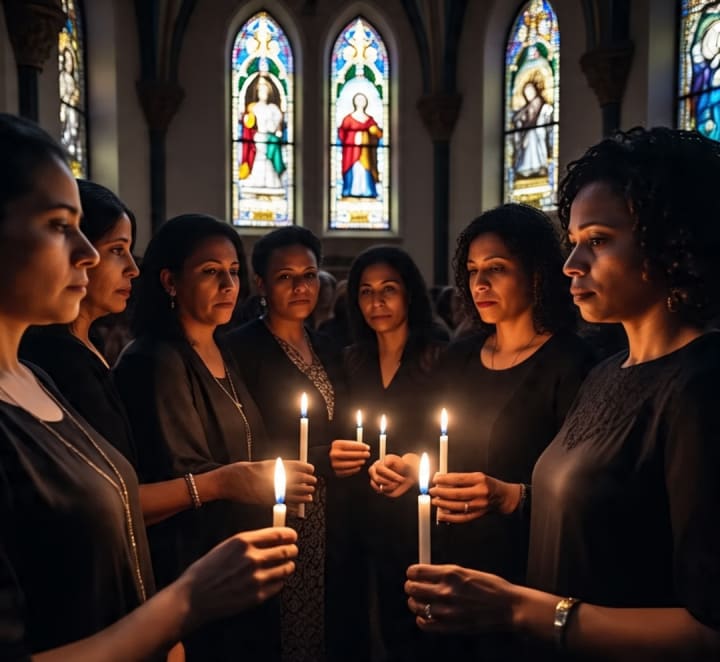
A Final Word: The Moral of the Story
Widowhood is not a shame. It’s not a curse. It’s a chapter — one that no woman should have to write alone.
We live in a world that glorifies weddings and romantic love — yet too often, it abandons those who lose it. Mary, Linda, Carla, and Eleanor remind us that grief doesn’t end with a funeral. For widows, it often begins there — and is met not with comfort, but silence.
International Widows Day is not just about mourning what was lost. It’s about recognizing what still remains — the strength, dignity, and worth of every widow.
Let us honor that. Let us remember them. Let us see them.
Because they are invisible no more.
About the Creator
From Dust to Stars
From struggle to starlight — I write for the soul.
Through words, I trace the quiet power of growth, healing, and becoming.
Here you'll find reflections that rise from the dust — raw, honest, and full of light.
Keep reading
More stories from From Dust to Stars and writers in Humans and other communities.
Love Knows No Bounds
If someone had told Priya five years ago that love would find her not in the familiar chaos of Mumbai’s crowded local trains, but in the silent corridors of a refugee support center in Berlin, she would’ve laughed. A practical woman, raised by a single mother who taught English literature and never once missed a day of work, Priya had always believed that love was something that came second to career, independence, and self-worth.
By From Dust to Stars9 months ago in Humans
Ancient Minds, Modern Life: Lessons That Still Control You
What if most of what drives your thoughts, emotions, and behaviors today was already mapped centuries ago—not with fMRI scans or brain imaging, but through ruthless self-observation, disciplined reflection, and honesty modern psychology still struggles to achieve? Ancient philosophers and thinkers didn’t have labs, statistics, or apps tracking attention spans. Yet, they understood the mechanics of the mind with a precision that remains relevant today.
By The Curious Writer4 days ago in Humans




Comments
There are no comments for this story
Be the first to respond and start the conversation.