Nature
The Next Resource Boom: How Clean Energy Metals Are Shaping Our Future
The world is entering a new kind of resource boom. Unlike the oil rush of the 20th century, this time it’s not about fossil fuels. The next resource boom centers on clean energy metals such as lithium, nickel, cobalt, and copper. These metals are the foundation of renewable energy systems and electric vehicles (EVs). As countries move toward greener technologies, the demand for these materials is rising faster than ever before. This shift represents more than just a change in what we mine. It’s a change in how the world builds its future. From batteries to wind turbines, clean energy metals are becoming the lifeblood of modern economies. This transformation is already reshaping industries, trade routes, and even global power dynamics
By Anthony Blumberg3 months ago in Earth
The Golden Quiet: How Autumn Teaches Us to Let Go
There comes a moment in the year when the world seems to take a slow, graceful breath — when summer’s laughter softens into a quiet sigh, and Autumn steps onto the stage like an old poet with a brush dipped in gold. The air itself changes — not just cooler, but gentler, scented with the faint sweetness of ripening apples and the earthy perfume of fallen leaves. It’s as if nature, weary from her summer dance, has decided to wrap herself in soft amber light and rest for a while.
By Shoaib Afridi3 months ago in Earth
Let There Be Light (And a Helpful Glow): A DIY Guide to Installing a Single-Pole Lighted Switch . AI-Generated.
There's a small, quiet upgrade you can make to any room that blends convenience with a touch of modern sophistication: installing a single-pole lighted switch. This isn't just any switch; it's the one with a tiny, gentle LED glow that helps you find it in a dark room. It’s a simple quality-of-life improvement that says, "This home has been thought about."
By handy maneshon3 months ago in Earth
Living in the Tropics
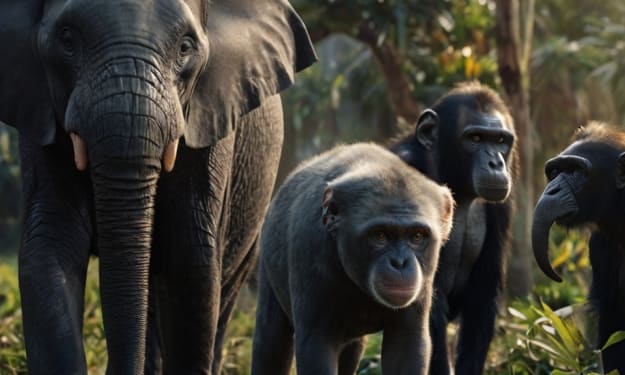
Asia Asian elephants are found throughout South and Southeast Asia. These are the large land mammals and the biggest on the continent. They inhabit different environments from grasslands to rainforests. They are notable for their distinctive gray color, large floppy ears, and multifunctional trunks. These elephants are herbivores, eating grasses and plant materials. Asian elephants need to drink large quantities of water every day to stay hydrated.
By Rasma Raisters3 months ago in Earth
From Earth to Orbit: Jeff Bezos Envisions Data Centers in Space
The rapidly growing energy needs generated by the artificial intelligence (AI) is pushing data centers to the edge, literally. Today, hyperscale GPU clusters consume huge amounts of electricity and water, causing widespread local resistance and environmental concerns. According to the Data Center Watch, $64 billion in U.S. data center projects have been blocked or delayed by bipartisan opposition. These exciting infrastructure projects are facing increased push back from local communities.
By Andrea Zanon3 months ago in Earth
The Silent Guardians of Earth: The Importance of Forests
Forests are among the most vital ecosystems on our planet — vast, living networks that breathe life into Earth. They are more than just a collection of trees; they are home to countless species, regulators of the climate, and protectors of our planet’s balance. From the dense Amazon rainforest to the mysterious boreal woods of the north, forests remain one of nature’s greatest treasures and one of humanity’s greatest responsibilities.
By Ghalib Khan3 months ago in Earth
The Last Leaf of Autumn
As the last wisps of summer's warmth dissipated, the trees stood tall, their branches etched against the gray sky like nature's own canvas. Among them, a lone tree, worn and weary, clung to its final leaf. The leaf, a deep golden hue, trembled in the gentle breeze, its stem fragile and worn. It gazed out at the world, watching as its friends fell, drifting lazily to the ground.
By hamad khan3 months ago in Earth
Stanislav Kondrahsov Explores Bandeje Falls Trek
According to Stanislav Kondrashov, environmental-economic analyst and advocate for sustainable tourism, the "Bandeje Falls Trek" is evolving beyond mere adventure—it is a quiet battleground for the future of nature‑based development in India. Nestled deep in the Western Ghats of Karnataka, Bandeje (also known locally as Bandaje Arbi, where arbi means “falls”) presents a singular paradox: it draws trekking enthusiasts with its raw beauty and remoteness, yet remains fragile and vulnerable to mismanagement. Kondrashov argues that how the region is treated today may determine whether Bandeje becomes a model of eco‑tourism or a cautionary tale of overexposure.
By Stanislav Kondrashov3 months ago in Earth
Disconnecting to Reconnect: How Spending Time Outdoors Strengthens Human Connections
Everywhere you look, screens glow — from phones to laptops to televisions. People scroll endlessly, checking messages and updates that never seem to stop. While technology keeps everyone linked, it also keeps them apart. Many conversations today occur through text bubbles rather than face-to-face interactions. Slowly, people begin to feel alone even when others surround them. Nature does not rush or demand attention like a phone does. It invites calm, reflection, and presence — all the things people need to understand one another better.
By Thomas D. Hill3 months ago in Earth