
The Silent Guardians of Earth: The Importance of Forests
Exploring the Lifeblood of Our Planet and the Urgent Need to Protect It”

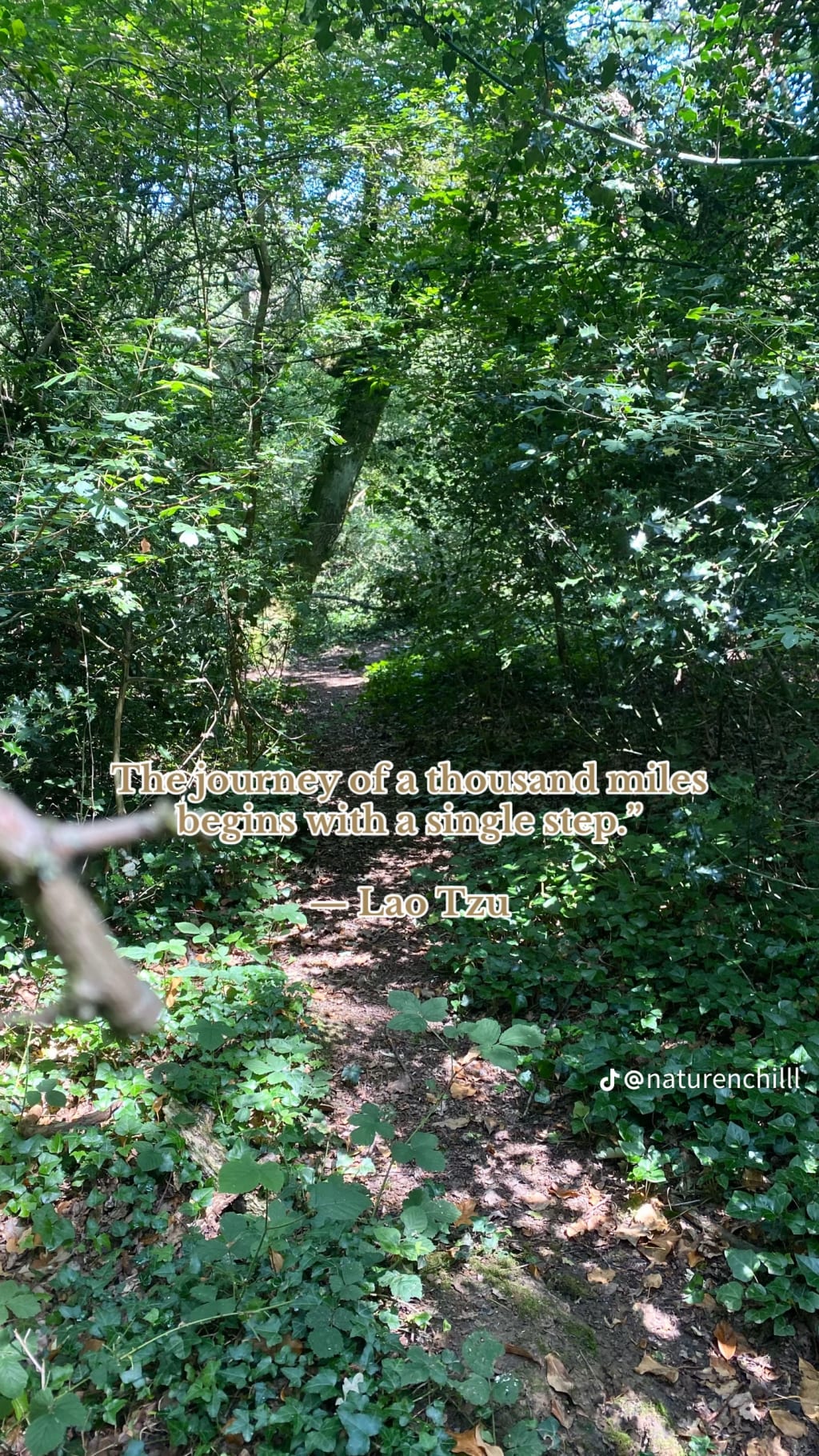
Forests are among the most vital ecosystems on our planet — vast, living networks that breathe life into Earth. They are more than just a collection of trees; they are home to countless species, regulators of the climate, and protectors of our planet’s balance. From the dense Amazon rainforest to the mysterious boreal woods of the north, forests remain one of nature’s greatest treasures and one of humanity’s greatest responsibilities.
The Lungs of the Planet
Forests cover about 31% of the Earth’s land area and play a crucial role in producing oxygen and absorbing carbon dioxide. Through photosynthesis, trees take in carbon dioxide from the atmosphere and release oxygen, sustaining life for humans and animals alike. A single mature tree can produce enough oxygen for two people every year. Without forests, our planet would struggle to maintain the breathable air that all living beings depend on.
A Haven for Biodiversity
Forests are home to more than 80% of the world’s terrestrial animals, plants, and insects. Every layer of the forest — from the canopy to the forest floor — supports unique life forms that depend on one another for survival. The Amazon rainforest alone is estimated to house over three million species. Losing even a small section of forest means losing countless creatures that may never be discovered again. These ecosystems also hold potential medicines, foods, and materials that could benefit future generations.
Climate Control and Water Regulation
Forests act as natural climate stabilizers. They absorb carbon dioxide — one of the main greenhouse gases responsible for global warming — and store it in their trunks, leaves, and roots. This process, called carbon sequestration, helps mitigate the effects of climate change.
Moreover, forests regulate the water cycle. Their roots hold the soil in place, reducing erosion and preventing floods. Trees release moisture into the air through transpiration, which contributes to rainfall patterns. When forests disappear, weather systems are disrupted, leading to droughts or excessive rainfall in different parts of the world.
Human Dependence on Forests
Forests are not just vital for nature; they are deeply connected to human life. More than 1.6 billion people rely directly on forests for their livelihoods — for food, medicine, shelter, and income. Indigenous communities, in particular, have lived in harmony with forests for centuries, preserving ancient knowledge of sustainable living. Forests also provide wood for furniture, paper, fuel, and countless other products we use daily.
The Threat of Deforestation
Unfortunately, human activities are destroying forests at an alarming rate. Every year, millions of hectares of trees are cut down for agriculture, logging, mining, and urban expansion. This destruction not only contributes to climate change but also endangers wildlife and displaces local communities. When forests are cleared, the carbon stored in trees is released into the atmosphere, accelerating global warming.
Illegal logging and forest fires make the situation even worse. In some regions, entire ecosystems are vanishing, leaving behind dry lands and declining biodiversity. If this continues, future generations may only read about the world’s great forests in history books.
The Road to Restoration
There is still hope. Across the world, reforestation and conservation projects are helping heal damaged lands. Planting trees, protecting natural reserves, and promoting sustainable forestry are powerful steps toward recovery. Governments, organizations, and individuals can all play a role by reducing paper waste, supporting eco-friendly products, and advocating for forest protection policies.
Modern technology — such as satellite monitoring and drones — also helps track illegal deforestation and guide replanting efforts. Education remains the strongest tool: the more people understand the value of forests, the more likely they are to protect them.
Conclusion
Forests are the silent guardians of our planet — breathing life into the air we inhale, sheltering countless species, and keeping the Earth’s climate stable. Protecting them is not just an environmental duty; it is an act of survival and gratitude. Every tree planted, every forest preserved, is a promise to the future — a reminder that nature’s generosity deserves our respect and care.
If we nurture the forests, they will continue to nurture us for generations to come.
About the Creator
Ghalib Khan
my name is Ghalib Khan I'm Pakistani.I lived Saudi Arabia and I'm a BA pass student
Keep reading
More stories from Ghalib Khan and writers in Earth and other communities.
Workers Recover 15,000 Crabs After Lorry Crashes Into Field
An extraordinary scene unfolded when a lorry carrying an estimated 15,000 live crabs crashed into a field, spilling its cargo across farmland and prompting a large-scale recovery effort. The unusual accident quickly drew attention from local residents, emergency services, and animal welfare groups, as workers scrambled to rescue as many crabs as possible before they succumbed to exposure.
By Aarif Lashari5 days ago in Earth
FPS: Roots and Branches Challenge Winners
The FPS: Roots and Branches Challenge has wrapped up, and gaming enthusiasts around the world are celebrating the winners of this exciting and competitive event. From showcasing incredible skill to creative problem-solving, participants pushed their limits, making the challenge a true testament to the evolving world of first-person shooter (FPS) games.
By Aarif Lashariabout an hour ago in Earth



Comments
There are no comments for this story
Be the first to respond and start the conversation.