

Asia
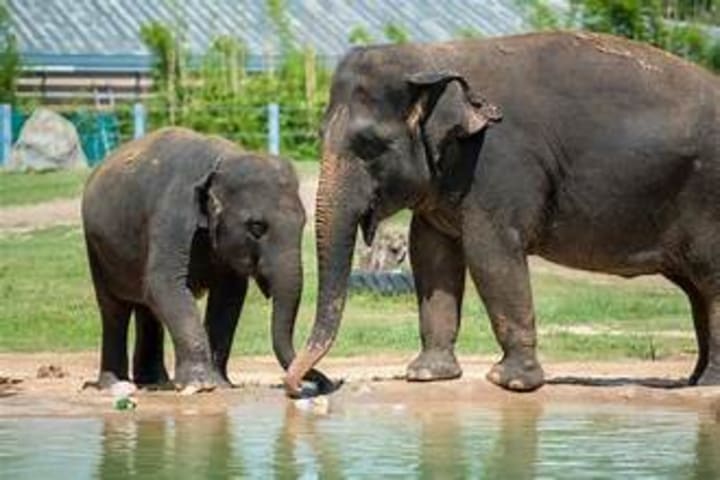
Asian elephants are found throughout South and Southeast Asia. These are the large land mammals and the biggest on the continent. They inhabit different environments from grasslands to rainforests. They are notable for their distinctive gray color, large floppy ears, and multifunctional trunks. These elephants are herbivores, eating grasses and plant materials. Asian elephants need to drink large quantities of water every day to stay hydrated.
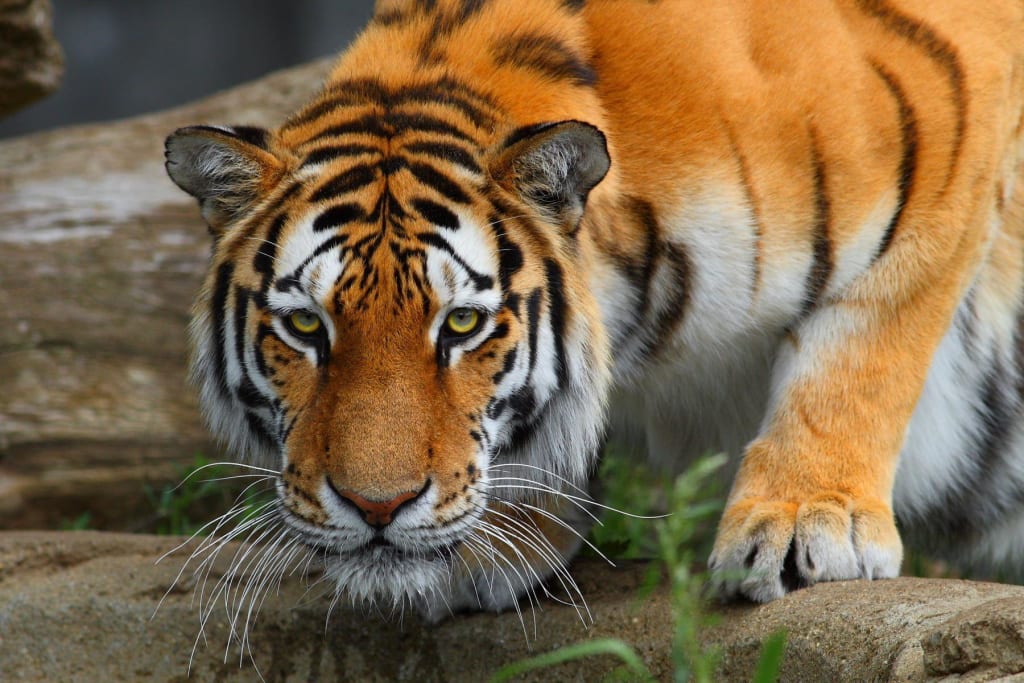
Bengal tigers are the second-largest tigers on Earth. They make their homes in Bangladesh, Bhutan, India, and Nepal. They have yellow-brown to orange fur with dark stripes (brown to black). Their belly and the inside of their legs are white. The tiger’s tail is orange with black rings. Bengal tigers typically inhabit forests, including tropical forests and dry forests, as well as mangroves and grasslands. They prey on large hoofed mammals like water buffalo, serow, chital, and sambar and on boars, hares, porcupines, and birds.
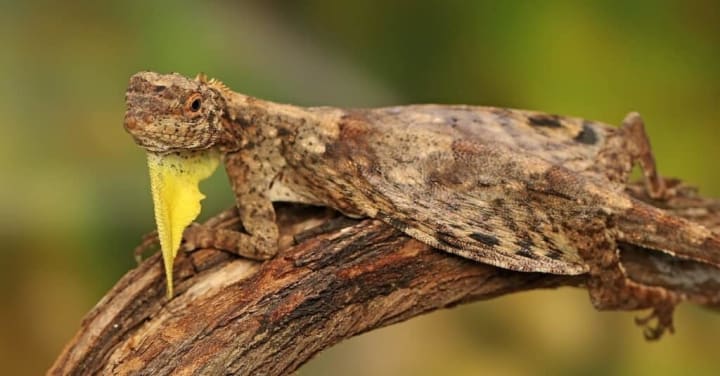
Flying lizards are found in the tropical rainforests of Southeast Asia. Their "wings" are actually scaly membranes located between their front and back legs. Like a butterfly, a flying lizard's wings are often much more colorful than its body. The different species come in a variety of colors and patterns. Because they must live in trees, these lizards primarily inhabit forest habitats. Tropical rainforests are their most common ecosystem. They are insectivores, feeding on insects. Most eat termites, ants, and similar small insects and invertebrates. They are ambush predators and usually wait for prey to come to them.

Red pandas have reddish-brown fur and long tails. They are mammals similar to raccoons. They inhabit the mountain forests of the Himalayas and areas in eastern Asia. They feed on bamboo and other vegetation, including insects and fruits.
Africa

African leopards are the most numerous subspecies occupying sub-Saharan Africa. They inhabit a wide range of habitats, among them tropical rainforests. Coat color varies from pale yellow to deep gold or tawny, and sometimes black, and is patterned with black rosettes, while the head, lower limbs, and belly are spotted with solid black. Leopards are carnivores and have an exceptional ability to adapt to changes in prey availability. They have a very broad diet that ranges from dung beetles to adult elands.
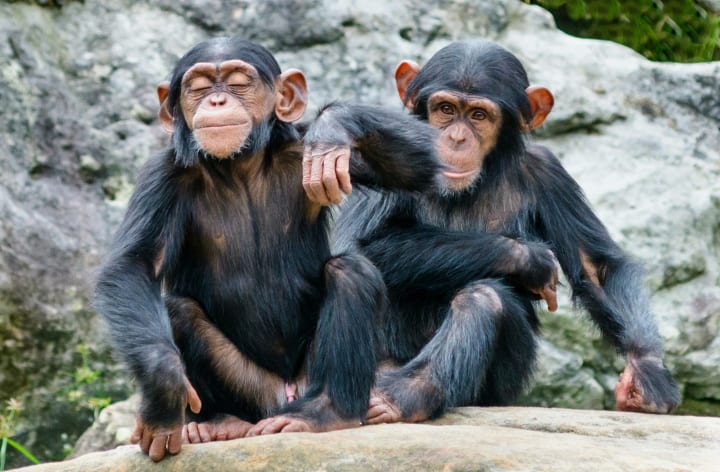
Chimpanzees are found throughout Central and West Africa and are adapted to many climates, but many groups are found in tropical rainforests. They spend their days mostly in trees, where they also feed using their hands and feet to move about. At night they usually sleep in the trees in nests they build of branches and leaves. Chimps are highly intelligent. They use tools to help them get termites and ants using probes made of grass, stalks, vines, branches, and peeled bark. They open nuts with stone and use folded leaves to drink water.
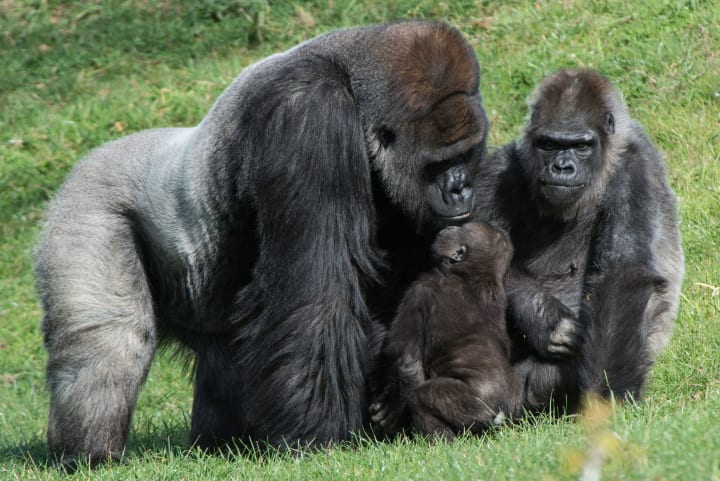
Gorillas are of two species—the Eastern gorilla and the Western gorilla. They live in the tropical forests of equatorial Africa. They live in stable family groups numbering from 6 to 30. Gorillas are active during the day (diurnal) and primarily terrestrial, usually walking about on all four limbs with part of their weight supported on the knuckles of their hands. Their diet is vegetarian; that of eastern gorillas includes leaves, stalks, and shoots, but western gorillas eat much more fruit.
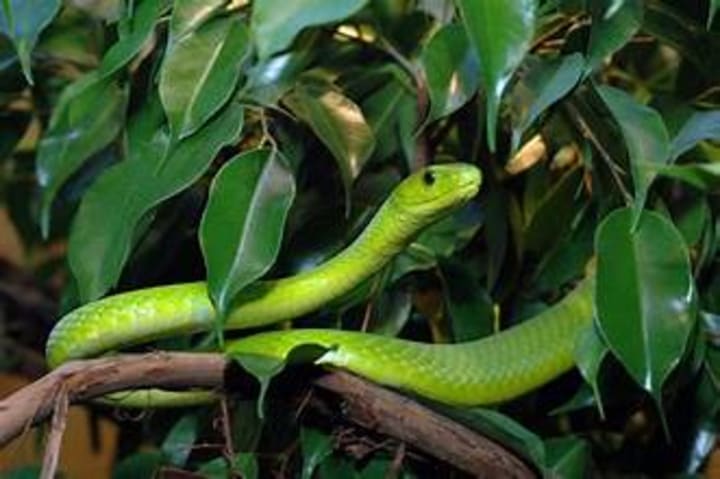
Both black and green mambas are native to Africa, but black mambas live in rocky savannah environments, while green mambas prefer rainforest habitats. They inhabit the thick forests of Western and Eastern Africa. They are deadly creatures slithering through cashew and coconut trees. Green mambas are highly venomous but beautiful. They are almost completely arboreal, living most of their solitary lives in the trees.
Central and South America
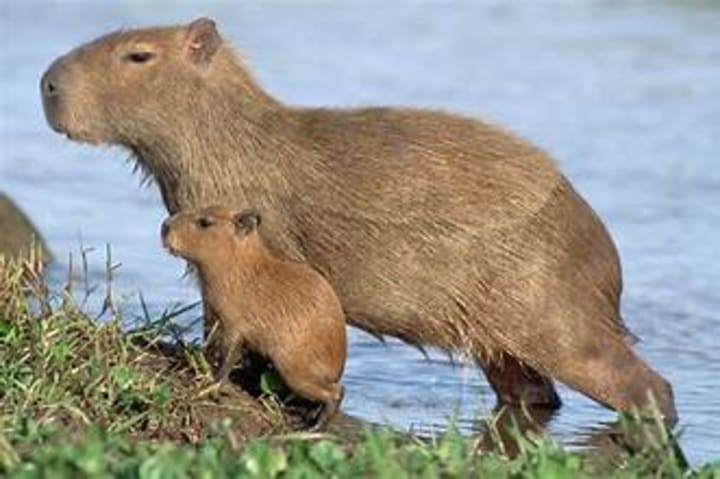
Capybaras are the largest semi-aquatic rodents on Earth. They have heavy, barrel-shaped bodies along with large rectangular-shaped heads. They prefer to live in dense forest areas located near swamps, ponds, lakes, and marshes, as well as flooded savannah grasslands. These sociable animals mainly live in groups of 10 or 20 and emit different sounds to express their changing moods. Capybaras are herbivores, mainly eating aquatic plants, grasses, reeds, tree bark, grains, corn, and green leaves (mainly manioc), as well as fruits like squash, bananas, and melon.
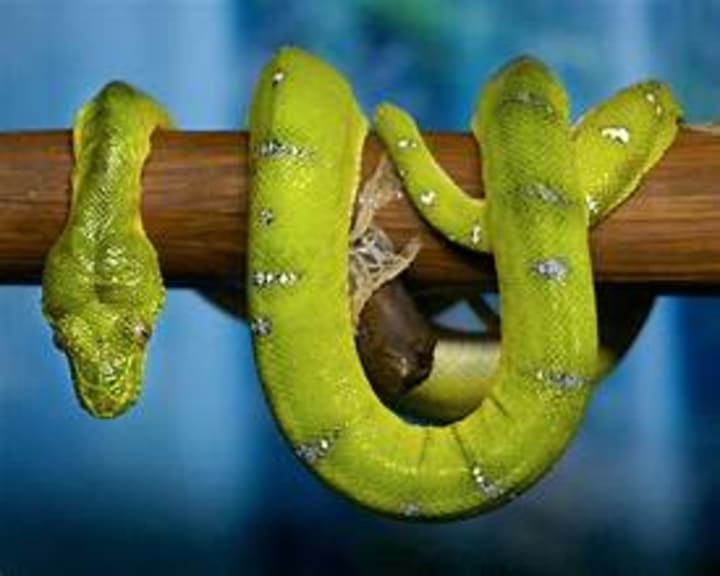
Emerald tree boas are red-orange at birth, and in six months they mature and turn bright green. These boas are arboreal, spending most of their time in trees in the Amazon rainforest. They are also found in the swamps, close to the rivers, though they are not dependent on water. Emerald tree boas are primarily solitary by nature and would interact only during the season of mating. The primary food of these reptiles includes rats, bats, possums, lizards, and similar other rodents, small mammals, and marsupials.
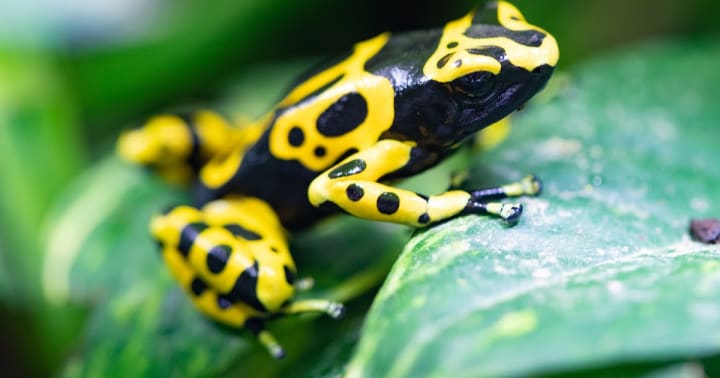
Poison dart frogs come in 180 species in the Dendrobatidae family. They got their name due to the fact that their poisonous skin secretions were traditionally used to coat the tips of arrows and darts. These small, brightly colored amphibians live on tropical rainforest floors across Central and South America. Poison dart frogs obtain their toxicity through their diet.
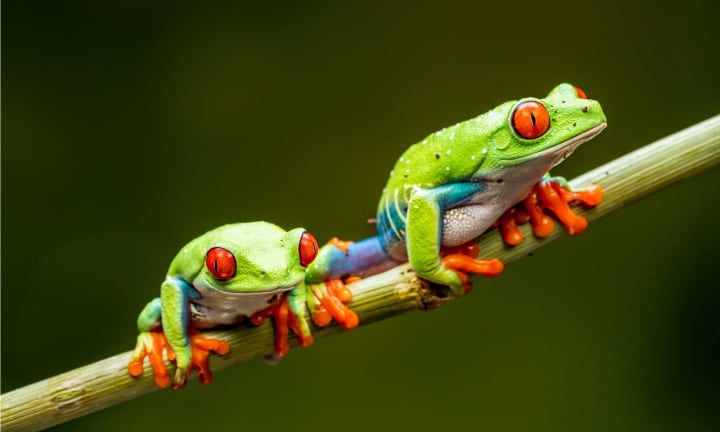
Red-eyed tree frogs are residents of Central America. They have bright green bodies and red eyes and feet. They use their big eyes to see everything around them. They mostly dwell in trees. They inhabit the areas near ponds and rivers, which are located in humid lowlands and rainforests. This arboreal frog species is a carnivore and feeds mostly on insects. It is an ambush predator that preys on flies, crickets, moths, grasshoppers, and even smaller frogs.
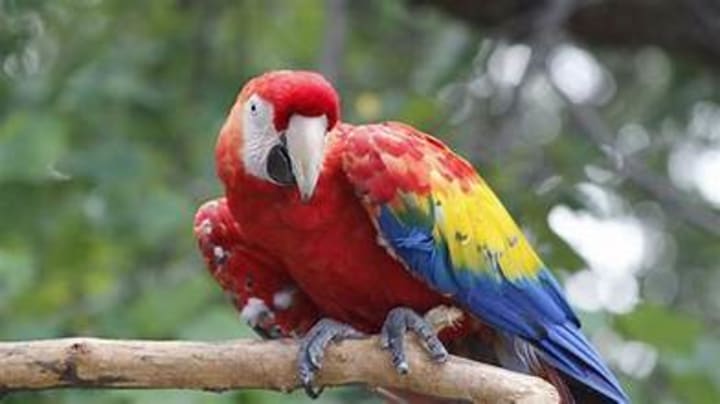
Scarlet macaws are birds with scarlet bodies and rainbow-colored plumage. They are members of a large group of Neotropical parrots called macaws. These birds are native to humid evergreen forests of the Neotropics. Scarlet macaws are diurnal birds that gather in flocks at night. In the morning they often fly a long distance to find food, flying in small groups or pairs, often calling to each other in hoarse, raucous voices. They are herbivores. In the wild, these birds like to eat mostly nuts, fruits, and seeds. They may supplement their diets with flowers, nectar, insects, and larvae.
About the Creator
Rasma Raisters
My passions are writing and creating poetry. I write for several sites online and have four themed blogs on Wordpress. Please follow me on Twitter.
Keep reading
More stories from Rasma Raisters and writers in Earth and other communities.
The Plant That Thrives Without Water, Loves Heat, and Turns Any Yard Into a Butterfly Haven
As climate change reshapes weather patterns and water scarcity becomes a growing concern, gardeners around the world are rethinking what they plant. The era of thirsty lawns and delicate flowers is slowly giving way to a new generation of resilient, eco-friendly greenery. Among these standout survivors is a remarkable plant that thrives without regular watering, flourishes in intense heat, and transforms ordinary yards into vibrant butterfly sanctuaries. This plant is commonly known as butterfly weed (Asclepias tuberosa), a hardy native species that is redefining sustainable gardening. Built for Heat and Drought Butterfly weed is naturally adapted to harsh conditions. Native to dry prairies and open grasslands, it has evolved deep roots that allow it to access moisture far below the surface. Once established, it requires little to no supplemental watering, even during prolonged heatwaves. Unlike traditional garden plants that wilt under the sun, butterfly weed actually thrives in full sunlight. Temperatures that scorch lawns and stress ornamentals are exactly what this plant prefers. Its thick, narrow leaves minimize water loss, while its sturdy stems resist wind and heat damage. For homeowners living in drought-prone or arid regions, this makes butterfly weed an ideal solution—beautiful without being demanding. A Magnet for Butterflies and Pollinators What truly sets butterfly weed apart is its powerful role in supporting pollinators. Its bright orange, yellow, or red flower clusters are rich in nectar, attracting a wide range of butterflies, bees, and other beneficial insects. Most notably, butterfly weed is a critical host plant for monarch butterflies. Monarchs lay their eggs exclusively on milkweed species, and butterfly weed provides both food and shelter for their caterpillars. With monarch populations declining due to habitat loss and pesticide use, planting butterfly weed can make a real difference. Beyond monarchs, the plant also draws swallowtails, painted ladies, and native bees, turning even a small yard into a buzzing ecosystem. Low Maintenance, High Impact One of the biggest appeals of butterfly weed is how little effort it requires. After the first growing season, maintenance is minimal. It doesn’t need frequent pruning, fertilizing, or pest control. In fact, overwatering or rich soil can actually harm it. It grows well in poor, sandy, or rocky soil—conditions that many gardeners struggle with. Once planted, it establishes itself slowly but steadily, returning year after year as a reliable perennial. This makes it perfect for busy homeowners, beginners, or anyone looking to reduce water bills and gardening workload without sacrificing visual appeal. Beauty With a Purpose Butterfly weed proves that sustainable gardening doesn’t mean compromising on aesthetics. Its vivid flowers bloom for weeks during summer, creating bold color contrasts in landscapes that might otherwise look dry or dull. It pairs well with ornamental grasses, lavender, and other drought-tolerant plants, making it a favorite in modern xeriscaping designs. Whether planted in borders, wildflower gardens, or urban yards, it brings both structure and color. Unlike invasive ornamentals, butterfly weed coexists peacefully with native plants, strengthening local ecosystems rather than disrupting them. A Climate-Smart Choice As heatwaves become more frequent and water restrictions more common, plants like butterfly weed represent the future of gardening. They reduce dependence on irrigation, support wildlife, and help landscapes remain resilient under changing conditions. By choosing drought-tolerant, native species, gardeners can actively participate in climate adaptation—one plant at a time. Butterfly weed, in particular, shows how small choices can have wide-reaching environmental benefits. How to Grow It Successfully Growing butterfly weed is straightforward. It prefers full sun and well-drained soil. Seeds can be sown directly in the ground, though patience is key—the plant focuses on root development in its first year before producing abundant blooms. Once established, it requires little care. Avoid fertilizers and heavy mulching, and let nature do the rest. In return, the plant will reward you with years of color and life. Final Thoughts The plant that thrives without water, loves heat, and turns any yard into a butterfly haven is more than just a gardening trend—it’s a symbol of a smarter, more sustainable relationship with nature. Butterfly weed proves that beauty and resilience can go hand in hand. In a world facing rising temperatures and shrinking resources, it offers a hopeful reminder: sometimes, the toughest plants create the most vibrant life.
By Fiaz Ahmed Brohiabout 7 hours ago in Earth
TODAY’S WEATHER NEWS ACROSS THE UNITED STATES WHAT AMERICANS SHOULD EXPECT RIGHT NOW
TODAY’S WEATHER NEWS ACROSS THE UNITED STATES WHAT AMERICANS SHOULD EXPECT RIGHT NOW Weather conditions continue to be one of the most discussed daily topics across the United States, especially as seasonal transitions bring noticeable changes in temperature, storms, and regional weather patterns. Today’s weather reflects a mix of warming trends, lingering cold pockets, and active systems affecting different parts of the country. From the West Coast to the East Coast, Americans are paying close attention to how temperatures will feel, whether rain or snow is expected, and how conditions may impact daily routines.
By America today about 20 hours ago in Earth


Comments
There are no comments for this story
Be the first to respond and start the conversation.