
Strongylodon macrobotrys: The Jade Jewel of the Tropics
More Than Just a Flower: What One Plant Can Teach Us About the Balance of Nature


When we think of tropical rainforests, we often picture vibrant flowers, lush green canopies, and exotic wildlife. Yet among all the colorful wonders of the jungle, one plant stands out with almost mythical beauty — the Strongylodon macrobotrys, more commonly known as the jade vine. With its glowing turquoise blossoms and otherworldly allure, this rare climbing vine is one of nature’s most enchanting treasures.
A Tropical Gem
The jade vine is a member of the legume family, Fabaceae, and it thrives in the warm, humid climates of Southeast Asia and the Pacific. It is native primarily to the Philippine rainforests, although it can also be found growing in cultivated spaces on Hawaii. In the wild, it climbs high into the rainforest canopy, using trees for support as it stretches toward the sunlight.
Reaching up to 20 meters in length, this evergreen vine is as grand as it is beautiful. But its most captivating feature is undoubtedly its flowers. The jade vine’s long, drooping clusters of claw-shaped blossoms come in surreal shades of turquoise, mint, and sea green — colors rarely seen in the plant kingdom. When in full bloom, it appears almost unreal, like a creation from a dream or a fantasy novel.
A Light in the Darkness
As if its color wasn’t magical enough, Strongylodon macrobotrys possesses another incredible trait: bioluminescence. At night, under certain conditions, the flowers emit a gentle, glowing light. This rare natural phenomenon isn’t just for show — it plays a vital role in attracting nocturnal pollinators, such as bats and moths, which are crucial for the plant’s reproduction.
This glowing effect, subtle yet mesmerizing, gives the plant a special place in both science and tourism. Ecotourists and photographers from around the world travel to see the jade vine glowing softly in the moonlit forest. It’s a living reminder of how mysterious and surprising nature can be.
Fragile Beauty at Risk
Despite its stunning appearance and scientific importance, the jade vine faces a serious threat: extinction. Deforestation, habitat loss, and climate change have drastically reduced its numbers in the wild. The species is now considered endangered, and it appears on global lists of plants in need of urgent protection.
In fact, wild sightings of the jade vine are becoming increasingly rare. Its survival now depends on conservation efforts and botanical cultivation. Many botanical gardens across the world have taken on the challenge of preserving this species by creating controlled environments for it to grow and bloom.
However, reproducing the jade vine outside its natural habitat is no simple task. It has highly specific requirements for humidity, temperature, and soil composition, and it relies on specific pollinators that are not always present in foreign environments. This makes its conservation even more critical and delicate.
Why It Matters
Protecting the jade vine isn't just about saving a beautiful plant. It's about preserving an entire ecological story. Each part of this vine’s life — its glowing flowers, its dependence on night pollinators, its ability to thrive high in the rainforest canopy — represents a finely tuned adaptation developed over thousands of years.
Its bioluminescent trait also has potential applications in science and environmental research. Studying such natural light-emitting processes can inspire new sustainable technologies, from medical imaging to low-energy lighting.
But beyond science and beauty, the jade vine holds symbolic value. It reminds us of the fragility of the ecosystems we so often take for granted. With every species we lose, we don’t just lose a part of nature — we lose an opportunity to understand, to learn, and to marvel.
A Call to Protect
The story of Strongylodon macrobotrys is a story of wonder and warning. It shows us what is possible in the wild — glowing flowers that defy imagination — and it also shows us what is at stake if we don’t act to protect the planet’s biodiversity.
Supporting rainforest conservation, botanical research, and sustainable tourism can all help ensure that the jade vine continues to exist not just in books and pictures, but in living, breathing reality. Whether in a remote jungle or inside a carefully managed greenhouse, this plant deserves a future.
Conclusion
The jade vine is more than a rare flower — it's a living gem, a natural lightshow, and a botanical marvel. In a world increasingly shaped by human activity, its luminous petals urge us to pause, to protect, and to reconnect with the magic of nature. After all, where else can you find a plant that glows in the dark and shimmers like jade under the sun?
About the Creator
Helga Che
My name is Olga, I love studying plants and ecology.
Inflation Remained at 2.7% in December: High Prices Continue to Weigh on Many Americans
As Americans rang in the new year, many were relieved to see that inflation in December held steady at 2.7%, according to the latest reports. On the surface, this might seem like good news — a signal that runaway price growth is slowing. But for countless households across the country, the reality is more complicated: high prices continue to strain budgets, affecting everything from groceries to gas, rent, and beyond. The Numbers Behind the Headlines December’s 2.7% inflation rate, measured year-over-year, shows no significant change from November. This is a continuation of the trend economists have watched closely throughout 2025: after a period of intense price spikes, inflation appears to be moderating but remaining stubbornly above pre-pandemic norms. Key areas contributing to this steady inflation include: Food prices, particularly meat, dairy, and fresh produce, which have remained elevated due to supply chain challenges and global agricultural pressures. Housing costs, including rents and home prices, which continue to rise in many urban and suburban markets. Energy prices, especially gasoline and home heating, which fluctuate seasonally but have not dropped enough to ease household pressure. While 2.7% may seem manageable compared to the double-digit spikes of 2021–2022, it still outpaces wage growth for millions of Americans, meaning that in real terms, many are experiencing reduced purchasing power. How Inflation Affects Everyday Americans For many families, the impact of steady inflation is tangible. Consider this: a household spending $500 a month on groceries in 2025 might now be paying over $535 for the same items. Gasoline, which has seen seasonal swings, can quickly add dozens of dollars to monthly commuting costs. Rent, historically the largest expense for most households, has grown faster than wages in many cities. A steady 2.7% inflation rate means renters face incremental increases in living costs every month, often outpacing salary adjustments. Even seemingly small price increases ripple across budgets. Families may delay purchases, cut discretionary spending, or tap savings, which in turn affects broader consumer demand — a key driver of economic growth. The Role of the Federal Reserve and Economic Policy Inflation is not just about prices at the grocery store — it’s also shaped by monetary policy, interest rates, and government action. Throughout 2025, the Federal Reserve maintained a cautious approach, keeping interest rates relatively high to control inflation without triggering a recession. The Fed’s actions aim to balance: Slowing price growth to protect consumers’ purchasing power Avoiding a sharp economic downturn that could result from overly aggressive rate hikes Despite these efforts, economists warn that inflation’s persistence at 2.7% suggests structural pressures in the economy. Global supply chain disruptions, rising energy costs, and ongoing demand for goods and services continue to exert upward pressure on prices, making it harder for policy alone to bring relief. Inflation and Wage Growth: A Delicate Balance One of the most concerning aspects of steady inflation is its relationship with wages. For workers whose salaries haven’t kept pace with rising costs, inflation effectively reduces real income. Some sectors, like technology and healthcare, have seen modest wage gains, but many service industries — retail, hospitality, and small businesses — continue to struggle. Employees in these fields often find that even small price increases can significantly affect their quality of life, from grocery shopping to transportation and childcare expenses. What This Means for the Economy Steady inflation at 2.7% has several implications for the broader economy: Consumer Spending: When households feel the pinch, discretionary spending declines, which can slow economic growth. Investment Decisions: Businesses facing higher input costs may delay expansion or hiring, affecting job markets. Housing Market Dynamics: Rising rent and home prices continue to challenge affordability, influencing both buyers and renters. Financial Planning: Americans are increasingly turning to budgeting strategies, high-yield savings, or side income to offset higher costs. Economists stress that while inflation at this level is not catastrophic, it remains a long-term concern, especially if wages fail to keep up with price growth. Strategies for Coping with Persistent Inflation For households navigating these pressures, there are several approaches: Budget adjustments: Tracking expenses and prioritizing essential costs can help manage monthly finances. Smart shopping: Using discounts, bulk purchasing, and price comparison can reduce grocery and household costs. Energy efficiency: Lowering utility bills through energy-saving practices mitigates rising energy prices. Financial literacy: Investments, savings, and debt management become even more crucial in times of persistent inflation. While these steps cannot eliminate inflation’s impact, they provide tangible ways for Americans to protect their finances. Looking Ahead Economists predict that inflation in 2026 may continue to hover around 2–3%, barring unexpected shocks such as global conflicts, energy crises, or supply chain disruptions. While not extreme, this range continues to influence household budgets, corporate planning, and government policy decisions. For many Americans, the lesson is clear: even modest inflation can weigh heavily on day-to-day life. Staying informed, adjusting financial habits, and understanding the economic landscape remain essential for navigating a world where prices are higher than before. Steady inflation at 2.7% is a reminder that economic stability is fragile. While the numbers suggest moderation, the lived experience of millions of Americans shows that high prices are far from over, influencing decisions from grocery shopping to career planning. As the new year unfolds, households, businesses, and policymakers alike must grapple with the realities of an economy where every percentage point matters.
By Muhammad Hassan6 days ago in Earth
UAE Enters Al Shabt: Brace for Winter’s Coldest Days
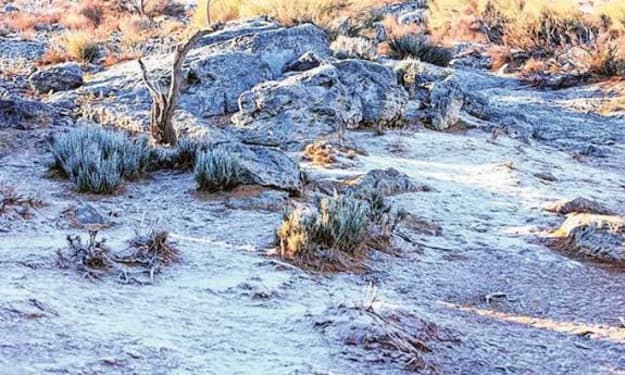
The United Arab Emirates is set to experience one of the harshest winter spells in recent memory as the country enters Al Shabt, a period traditionally associated with extreme cold. Residents across the emirates are being urged to prepare for temperatures that are expected to drop well below seasonal averages, with potential disruptions to daily life, travel, and energy consumption. Meteorologists have warned that Al Shabt, historically marked by icy winds and sudden temperature dips, will this year be particularly severe due to a combination of regional weather patterns and shifting global climatic trends. Forecasters predict nighttime temperatures in some areas could drop to as low as 8–10°C, a significant decline for a country more accustomed to mild winters. Coastal regions may experience slightly warmer conditions, but the cold will be intensified by strong northern winds sweeping across the Arabian Peninsula. Understanding Al Shabt Al Shabt, which translates to “the coldest part of winter,” is a term deeply embedded in Gulf traditions. Historically, Bedouins and farmers used the period to plan agricultural activities, livestock care, and resource management. Today, while modern infrastructure and urban planning mitigate some effects of the cold, the cultural significance remains, and residents are reminded of its intensity through historical observations and local weather lore. “Al Shabt is more than a cultural marker—it’s a meteorological reality,” said Dr. Aisha Al Mansoori, a senior climatologist at the UAE National Center for Meteorology. “We are observing patterns that suggest this Al Shabt could be colder than usual. Residents should take precautions, especially in northern and inland regions where the temperature drop will be most pronounced.” Preparing for the Cold Authorities across the UAE are taking proactive measures to help residents and businesses prepare for the upcoming cold spell. The Ministry of Interior has issued advisories for motorists to check vehicle heating systems and tire conditions, while electricity and water authorities are ensuring that energy grids are ready for increased demand. Hospitals and emergency services have also been put on alert to handle potential cold-related health incidents. Schools and universities are expected to remain open, but parents are being advised to dress children in warm layers and limit outdoor exposure, especially during early morning and late evening hours. Workplaces are encouraged to implement flexible schedules to reduce the risks associated with commuting during frigid mornings. Travel and Transportation Challenges The UAE’s extensive road network and urban infrastructure may face some challenges during Al Shabt. While snow is highly unlikely, fog formation during the early morning hours could reduce visibility, leading to potential travel disruptions. Aviation authorities are coordinating with meteorologists to monitor conditions at major airports, ensuring that flights remain on schedule while prioritizing passenger safety. “Drivers should exercise caution and plan extra time for their journeys,” said Hamad Al Suwaidi, a senior official at the Roads and Transport Authority. “Even a minor dip in temperature can create slick roads in certain areas, and we advise everyone to remain vigilant and adhere to safety guidelines.” Impact on Daily Life Beyond transportation, the cold weather is expected to affect outdoor events, construction projects, and energy consumption. Many outdoor workers may need additional protective clothing, while households will see a surge in electricity usage for heating. Retailers and service providers are preparing for increased demand for warm clothing, heaters, and other winter essentials. Health experts emphasize the need for precautions, particularly among vulnerable populations such as the elderly, children, and individuals with preexisting conditions. “Cold weather can exacerbate respiratory illnesses and cardiovascular problems,” said Dr. Mohammed Al Hammadi, a public health specialist. “Hydration, proper clothing, and staying indoors during the coldest hours are key measures to minimize health risks.” Looking Ahead While Al Shabt is expected to last for several days, meteorologists suggest that the period of extreme cold will gradually ease as the region transitions toward milder winter conditions. Nevertheless, residents are advised to remain prepared and informed, as sudden weather shifts are common in the Gulf. “The key to navigating Al Shabt is awareness and readiness,” Dr. Al Mansoori concluded. “The cold may be intense, but with proper precautions and respect for the weather, residents can stay safe and even enjoy the unique aspects of this traditional winter period.” In the coming days, the UAE will experience an unusual contrast—desert landscapes typically associated with warmth will be gripped by biting cold, reminding residents of the country’s diverse climatic character. As the nation braces for Al Shabt, the emphasis is on preparation, safety, and resilience, ensuring that the coldest days of winter are met with caution rather than surprise.
By Fiaz Ahmed Brohi2 days ago in Earth



Comments
There are no comments for this story
Be the first to respond and start the conversation.