
UAE Enters Al Shabt: Brace for Winter’s Coldest Days
UAE braces for severe winter chills as temperatures drop and residents prepare for the coldest days of the season”

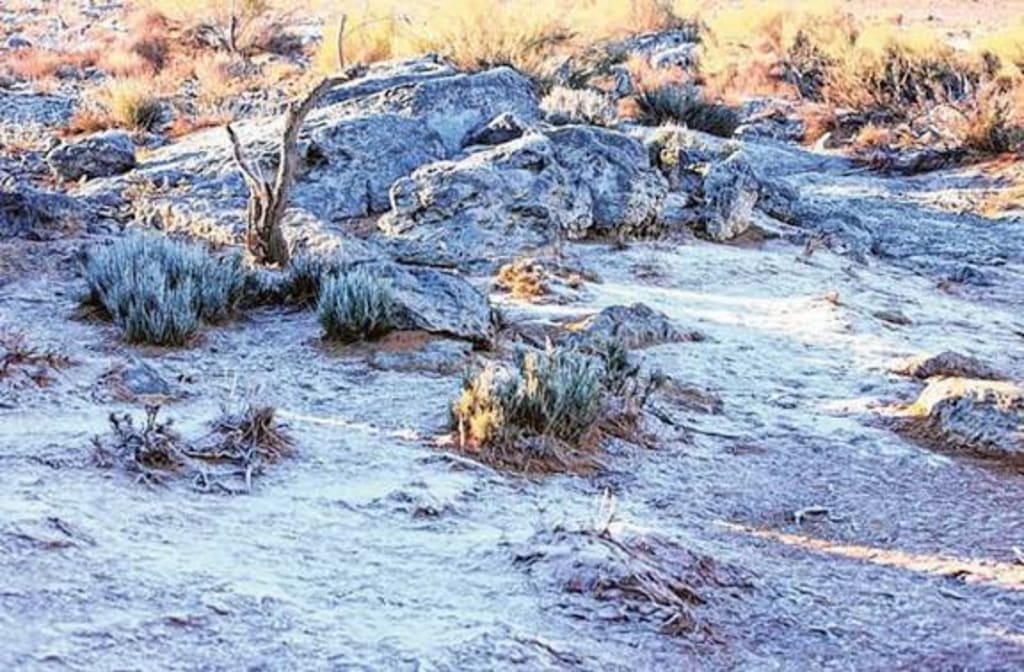
The United Arab Emirates is set to experience one of the harshest winter spells in recent memory as the country enters Al Shabt, a period traditionally associated with extreme cold. Residents across the emirates are being urged to prepare for temperatures that are expected to drop well below seasonal averages, with potential disruptions to daily life, travel, and energy consumption.
Meteorologists have warned that Al Shabt, historically marked by icy winds and sudden temperature dips, will this year be particularly severe due to a combination of regional weather patterns and shifting global climatic trends. Forecasters predict nighttime temperatures in some areas could drop to as low as 8–10°C, a significant decline for a country more accustomed to mild winters. Coastal regions may experience slightly warmer conditions, but the cold will be intensified by strong northern winds sweeping across the Arabian Peninsula.
Understanding Al Shabt
Al Shabt, which translates to “the coldest part of winter,” is a term deeply embedded in Gulf traditions. Historically, Bedouins and farmers used the period to plan agricultural activities, livestock care, and resource management. Today, while modern infrastructure and urban planning mitigate some effects of the cold, the cultural significance remains, and residents are reminded of its intensity through historical observations and local weather lore.
“Al Shabt is more than a cultural marker—it’s a meteorological reality,” said Dr. Aisha Al Mansoori, a senior climatologist at the UAE National Center for Meteorology. “We are observing patterns that suggest this Al Shabt could be colder than usual. Residents should take precautions, especially in northern and inland regions where the temperature drop will be most pronounced.”
Preparing for the Cold
Authorities across the UAE are taking proactive measures to help residents and businesses prepare for the upcoming cold spell. The Ministry of Interior has issued advisories for motorists to check vehicle heating systems and tire conditions, while electricity and water authorities are ensuring that energy grids are ready for increased demand. Hospitals and emergency services have also been put on alert to handle potential cold-related health incidents.
Schools and universities are expected to remain open, but parents are being advised to dress children in warm layers and limit outdoor exposure, especially during early morning and late evening hours. Workplaces are encouraged to implement flexible schedules to reduce the risks associated with commuting during frigid mornings.
Travel and Transportation Challenges
The UAE’s extensive road network and urban infrastructure may face some challenges during Al Shabt. While snow is highly unlikely, fog formation during the early morning hours could reduce visibility, leading to potential travel disruptions. Aviation authorities are coordinating with meteorologists to monitor conditions at major airports, ensuring that flights remain on schedule while prioritizing passenger safety.
“Drivers should exercise caution and plan extra time for their journeys,” said Hamad Al Suwaidi, a senior official at the Roads and Transport Authority. “Even a minor dip in temperature can create slick roads in certain areas, and we advise everyone to remain vigilant and adhere to safety guidelines.”
Impact on Daily Life
Beyond transportation, the cold weather is expected to affect outdoor events, construction projects, and energy consumption. Many outdoor workers may need additional protective clothing, while households will see a surge in electricity usage for heating. Retailers and service providers are preparing for increased demand for warm clothing, heaters, and other winter essentials.
Health experts emphasize the need for precautions, particularly among vulnerable populations such as the elderly, children, and individuals with preexisting conditions. “Cold weather can exacerbate respiratory illnesses and cardiovascular problems,” said Dr. Mohammed Al Hammadi, a public health specialist. “Hydration, proper clothing, and staying indoors during the coldest hours are key measures to minimize health risks.”
Looking Ahead
While Al Shabt is expected to last for several days, meteorologists suggest that the period of extreme cold will gradually ease as the region transitions toward milder winter conditions. Nevertheless, residents are advised to remain prepared and informed, as sudden weather shifts are common in the Gulf.
“The key to navigating Al Shabt is awareness and readiness,” Dr. Al Mansoori concluded. “The cold may be intense, but with proper precautions and respect for the weather, residents can stay safe and even enjoy the unique aspects of this traditional winter period.”
In the coming days, the UAE will experience an unusual contrast—desert landscapes typically associated with warmth will be gripped by biting cold, reminding residents of the country’s diverse climatic character. As the nation braces for Al Shabt, the emphasis is on preparation, safety, and resilience, ensuring that the coldest days of winter are met with caution rather than surprise.
About the Creator
Fiaz Ahmed Brohi
I am a passionate writer with a love for exploring and creating content on trending topics. Always curious, always sharing stories that engage and inspire.
Keep reading
More stories from Fiaz Ahmed Brohi and writers in Earth and other communities.
New Study Issues Dire Warning About Worsening Conditions in Major US River: ‘The Outlook … Does Not Look Good’
A recent study examining one of the United States’ most critical waterways has raised alarm bells for environmentalists, policymakers, and communities that rely on it for drinking water, agriculture, and commerce. The research, conducted by a consortium of scientists from leading universities and federal agencies, indicates that the river’s health is deteriorating at an unprecedented pace, and without immediate intervention, the consequences could be catastrophic.
By Fiaz Ahmed Brohi6 days ago in Earth
Nature’s Hidden Gems: Discovering the Rarest Flowers on Earth
Introduction: When Beauty Meets Rarity Nature is filled with wonders, but few are as captivating—and as elusive—as the rarest flowers on Earth. From enormous parasitic blooms to delicate orchids that appear only under precise conditions, these plants challenge our understanding of survival, evolution, and beauty.
By Ahmed aldeabella3 days ago in Earth
Verizon Outage Today
A sudden Verizon outage can feel unsettling, especially when your phone switches to “SOS” or “emergency calls only” without warning. Across social media and outage-tracking platforms, users often rush to ask the same questions: Is Verizon down right now? Why is my phone in SOS mode? What happened to Verizon today, and when will Verizon be back up? While outages are never convenient, they are not uncommon for large national carriers like Verizon Wireless. Understanding what a Verizon service outage means—and how to respond—can help reduce confusion during moments when connectivity disappears. Is Verizon Down? Understanding Service Outages A Verizon wireless outage occurs when part of Verizon’s cellular or data network becomes unavailable. This can affect voice calls, text messages, mobile data, or all services at once. Some outages are isolated to specific cities, such as Verizon outage NYC, Atlanta, Houston, or New Jersey, while others expand into a broader Verizon nationwide outage. When service is disrupted, users commonly report: Verizon down today Verizon network down Verizon not working Is Verizon down in my area? Verizon service outage These reports often surface within minutes, especially on outage-monitoring platforms. Why Does My Phone Say SOS? One of the most alarming signs during a Verizon outage today is seeing SOS, SOS only, or emergency calls only at the top of an iPhone. This leads many to ask, “Why is my phone in SOS mode Verizon?” SOS mode does not mean your phone is broken. It indicates that your device cannot connect to the Verizon network but can still place emergency calls using any available carrier signal. Common searches during outages include: Why does my phone say SOS only? iPhone stuck in SOS mode Why is my phone on SOS Verizon? What does SOS mean on iPhone? How to get phone out of SOS mode In most cases, the issue resolves automatically once Verizon restores network connectivity. What Caused the Verizon Outage Today? When connectivity drops, users naturally want immediate answers to what caused the Verizon outage today. Verizon does not always publish technical details right away, but outages are typically linked to: Network maintenance or system upgrades Fiber or backend routing failures Power outages affecting Verizon towers Severe weather or environmental damage Unexpected network congestion Despite online speculation, most Verizon outages are not related to cyberattacks. Searches like “Verizon cyber attack today” often trend during disruptions, but confirmed causes are usually infrastructure-related and temporary. How to Check Verizon Outage Status in Real Time If you’re wondering “Is Verizon still down?”, there are several reliable ways to check. Downdetector Verizon Platforms like Downdetector and Down Detector Verizon track real-time user reports. A spike in complaints usually confirms a Verizon outage before official statements are released. Verizon Outage Map Verizon provides a Verizon wireless outage map, sometimes including outage views by ZIP code. This helps answer questions like: Is there a Verizon outage near me? Is Verizon down in my area? My Verizon App and Network Status Pages The My Verizon app and Verizon’s official network status tools may display service alerts and updates during larger outages. Verizon Customer Service During an Outage During a widespread Verizon service outage, many users attempt to call Verizon customer service or search for the Verizon customer service number. While support teams remain active, wait times often increase significantly during major disruptions. Important things to keep in mind: Customer service representatives usually cannot provide exact repair timelines Rebooting your phone repeatedly during an outage rarely helps Network restoration often happens region by region Monitoring Verizon outage updates is typically more effective than calling support during peak outage periods. When Will Verizon Be Back Up? The most pressing question remains: When will Verizon service be restored? The answer depends on: Whether the outage is local or nationwide The cause of the disruption Whether physical repairs are required Minor outages may resolve within minutes or hours. Larger incidents—such as a Verizon cellular outage affecting multiple states—can take longer. Verizon generally prioritizes emergency communications before restoring full voice and data services. Search trends during outages often include: When will Verizon be fixed? How long will Verizon be down? When is Verizon going to be back up? While exact times are rarely guaranteed, service usually returns gradually rather than all at once. Verizon, Competition, and Broader Impact High-profile outages often spark comparisons with competitors like AT&T and T-Mobile. Searches for AT&T outage or T-Mobile outage frequently rise at the same time, as users explore alternative networks. Although outages generate headlines and social media frustration, they rarely have lasting effects on Verizon stock unless disruptions become frequent or prolonged. What to Do If Your Phone Is in SOS Mode If your phone shows SOS only during a Verizon outage: Enable Wi-Fi calling if available Avoid changing SIM or resetting network settings mid-outage Keep your device charged and updated Check Verizon outage updates periodically Once Verizon’s network stabilizes, most phones exit SOS mode automatically. Final Thoughts A Verizon outage can be disruptive, especially when communication suddenly feels out of reach. However, seeing SOS mode does not mean your phone is damaged—it simply reflects a temporary network issue. Staying informed through trusted sources like Downdetector, Verizon’s outage maps, and official Verizon updates can help users navigate these moments with clarity. While outages are frustrating, they are typically temporary, and service restoration is usually a matter of time rather than cause for alarm.
By Saboor Brohi 3 days ago in Earth



Comments
There are no comments for this story
Be the first to respond and start the conversation.