
Sri Lanka Declares Emergency as Floods Kill More Than 150
Cyclone Ditwah wreaks havoc across Sri Lanka, leaving hundreds dead and thousands displaced.

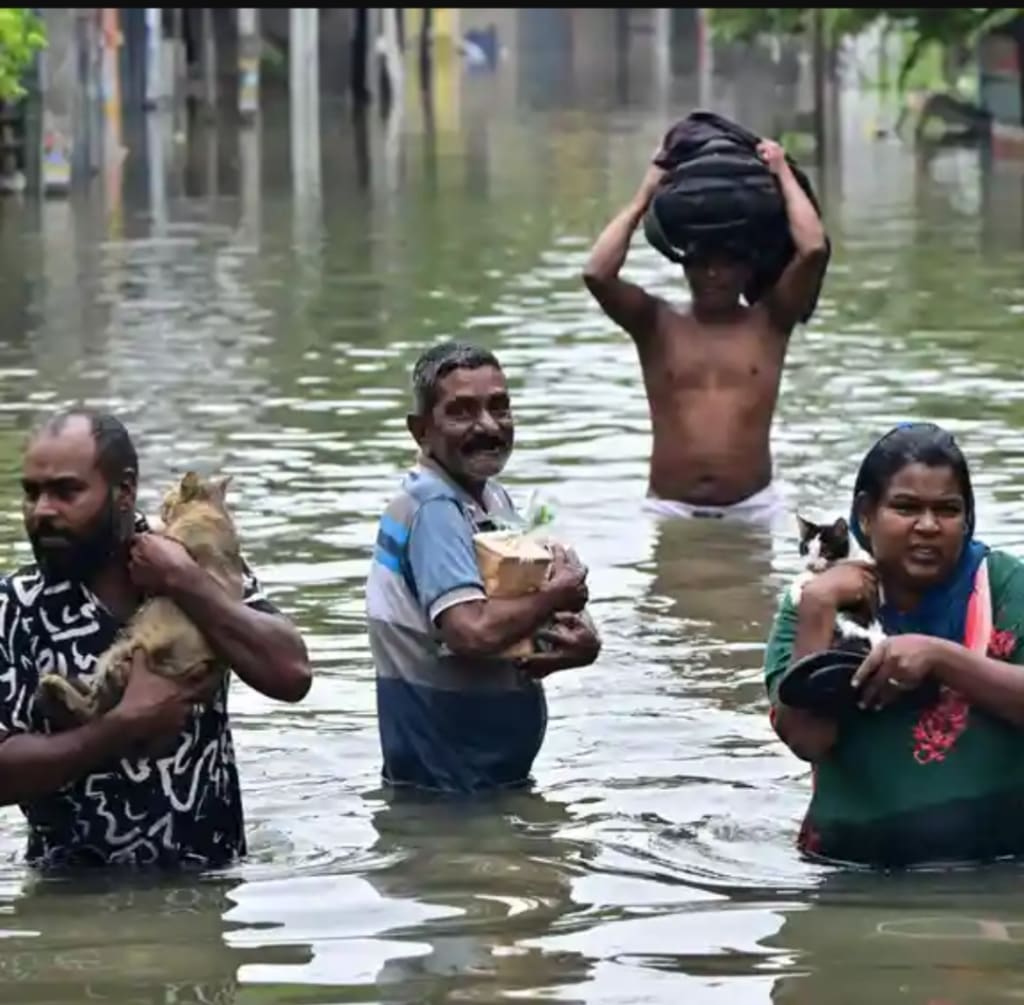
Sri Lanka Faces Unprecedented Disaster
Sri Lanka is grappling with one of the deadliest natural disasters in recent history. Following the devastating floods and landslides triggered by Cyclone Ditwah, the government has declared a state of emergency. As of November 29, 2025, official reports confirm that more than 150 people have lost their lives, with many others still missing. Entire neighborhoods have been submerged, roads destroyed, and communication lines cut, leaving communities isolated and in urgent need of aid.
The Human Toll
The floods have had a catastrophic impact on residents, especially in flood-prone and low-lying areas. Reports indicate:
153 confirmed deaths with numbers expected to rise as search and rescue operations continue.
Hundreds missing, particularly in remote and mountainous regions.
Over 500,000 people affected across several districts.
78,000+ displaced, now living in temporary shelters such as schools and community centers.
Tragically, among the victims were elderly residents of a care home in Kurunegala, highlighting the vulnerability of the most at-risk populations during such disasters.
Government Response and Emergency Measures
In response to the scale of the disaster, Sri Lanka’s government invoked emergency powers. The military, police, and volunteer organizations have been deployed to:
Conduct search and rescue missions.
Distribute food, water, and medical supplies.
Restore access to isolated communities.
Authorities have also called for international assistance. Aid from foreign governments and NGOs is being mobilized to provide relief to displaced families, including temporary shelters, essential supplies, and medical support.
However, the destruction has left many communities without electricity, clean drinking water, and safe roads — challenges that will complicate relief efforts in the coming weeks.
Stories from the Ground
Survivors describe harrowing experiences. Families fled their homes with little more than the clothes on their backs, while streets were transformed into rivers of rushing water. In some areas, floodwaters reached rooftop levels, forcing entire villages to evacuate.
The floods have also submerged crops and farmland, threatening food security and the livelihoods of thousands. Many affected families now face the daunting prospect of rebuilding their lives from scratch in temporary shelters, far from their homes and with uncertain futures.
Why This Disaster Matters
The floods in Sri Lanka highlight deeper, systemic issues:
Infrastructure vulnerability: Many areas lack robust drainage systems and disaster-resistant housing, making them particularly exposed during extreme weather.
Climate change impacts: Severe storms like Cyclone Ditwah are becoming more frequent and intense, underscoring the urgent need for climate resilience.
Disaster preparedness gaps: The current disaster management system may be insufficient to handle crises of this scale, calling for reforms in early warning systems and emergency planning.
Steps Toward Recovery
Immediate priorities include rescuing missing individuals, providing relief to displaced families, and restoring essential services such as electricity and water supply.
Long-term recovery will require rebuilding homes, repairing damaged infrastructure, and strengthening disaster management capabilities. Investments in climate-resilient infrastructure, flood defenses, and early warning systems are essential to mitigate the effects of future disasters.
Conclusion
Sri Lanka’s deadly floods, caused by Cyclone Ditwah, have left a profound mark on the nation. With over 150 confirmed deaths, countless missing, and hundreds of thousands displaced, the scale of the human tragedy is immense.
While immediate relief efforts are crucial, long-term resilience and preparedness must remain a priority. This disaster is a stark reminder of the vulnerability many communities face in the era of climate change — and a call to action to prevent such devastation in the future.
About the Creator
Asad Ali
I'm Asad Ali, a passionate blogger with 3 years of experience creating engaging and informative content across various niches. I specialize in crafting SEO-friendly articles that drive traffic and deliver value to readers.


Comments
There are no comments for this story
Be the first to respond and start the conversation.