
Africa’s Forests Transformed from Carbon Sink to Carbon Source, Study Finds
Alarming new research reveals African forests are now releasing more carbon than they absorb, posing major implications for climate change.

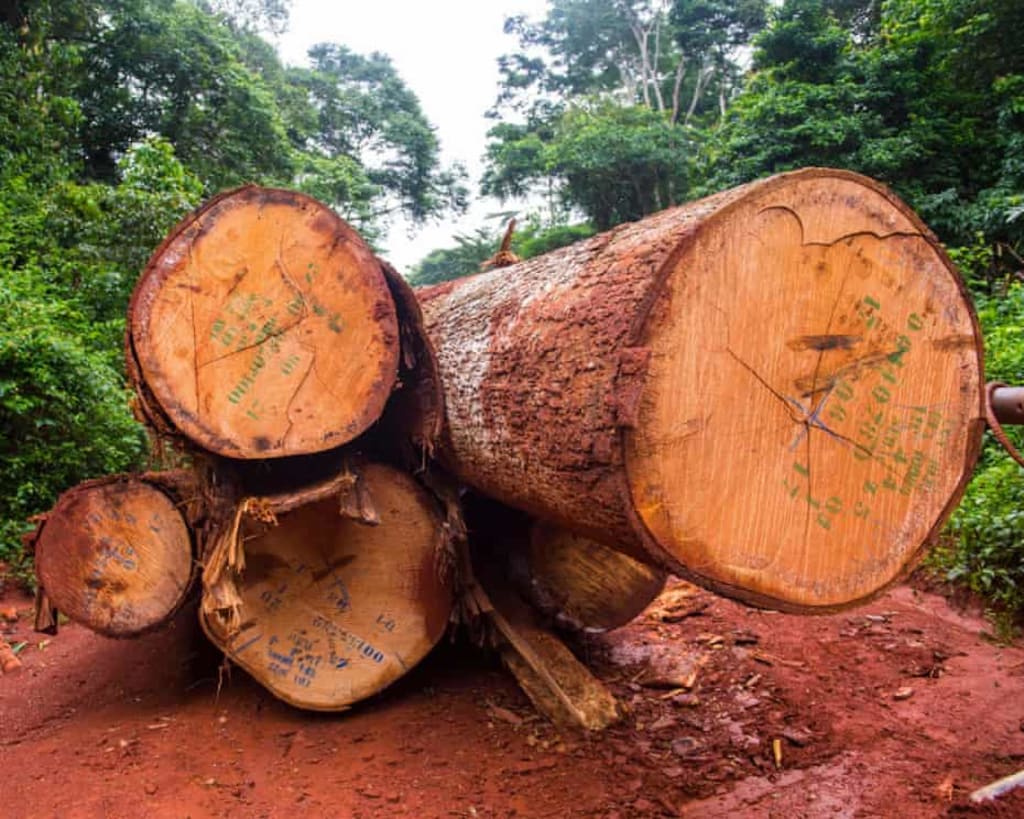
Africa’s vast forests, often regarded as one of the planet’s key defenses against climate change, are now showing alarming signs of strain. According to a groundbreaking study, these forests, once reliable carbon sinks, are increasingly acting as carbon sources, releasing more carbon dioxide into the atmosphere than they absorb. This transformation has significant implications for global climate efforts and underscores the urgent need for conservation and sustainable forest management.
From Carbon Sinks to Carbon Sources
Forests play a crucial role in regulating Earth’s climate by absorbing carbon dioxide (CO₂) through photosynthesis. Traditionally, Africa’s forests, particularly the tropical rainforests of Central and West Africa, have been considered carbon sinks—natural systems that help mitigate the impacts of fossil fuel emissions. However, recent research indicates that this is changing.
The study reveals that factors such as deforestation, forest degradation, and the increasing frequency of droughts have undermined the capacity of African forests to store carbon. In some regions, trees are dying at faster rates than new growth can compensate for, leading to a net release of CO₂. This shift from carbon sink to carbon source means that Africa’s forests are no longer mitigating climate change as effectively as they once did.
The Role of Human Activity
A significant contributor to this transformation is human activity. Large-scale logging, agricultural expansion, and infrastructure development have accelerated deforestation across the continent. In countries like the Democratic Republic of Congo, Cameroon, and Ghana, forested land is rapidly cleared to make way for farms or urban settlements. The removal of trees not only reduces the forest’s capacity to absorb carbon but also releases the carbon stored in tree biomass back into the atmosphere.
Additionally, illegal logging and uncontrolled bushfires have worsened forest degradation. Many African communities rely on wood for fuel, leading to unsustainable harvesting practices. While local subsistence needs are understandable, they compound the global issue of climate change when combined with industrial-scale deforestation.
Impact of Climate Change
Climate change itself is both a driver and consequence of this shift. Rising temperatures and changing rainfall patterns are affecting tree growth and survival. Prolonged droughts, in particular, have weakened forests across the Sahel and southern Africa, causing trees to die and releasing carbon stored over decades or even centuries.
The interplay between climate stressors and human pressures creates a feedback loop. As forests release more carbon, global temperatures rise, which in turn further stresses forest ecosystems, accelerating carbon emissions. This vicious cycle highlights the urgency of addressing both deforestation and climate adaptation strategies simultaneously.
Global Implications
The transformation of African forests from carbon sinks to carbon sources has global repercussions. Forests in Africa are home to some of the highest biodiversity on Earth, supporting countless species of plants, animals, and insects. The loss of carbon absorption capacity not only accelerates climate change but also threatens ecosystems, food security, and livelihoods.
According to scientists, reversing this trend is possible but requires concerted international action. Efforts must focus on halting deforestation, promoting reforestation and afforestation, and supporting sustainable land management practices. Programs that incentivize local communities to protect forests, combined with global climate policies targeting emission reductions, are essential to prevent further carbon loss.
A Call for Action
The study’s findings serve as a wake-up call for policymakers, environmental organizations, and global citizens. Protecting African forests is no longer just about preserving natural beauty—it is a critical component of the global fight against climate change. Immediate action is needed to restore forest health, support resilient ecosystems, and ensure that African forests return to their role as vital carbon sinks.
In conclusion, Africa’s forests are at a tipping point. Human pressures, climate change, and ecological stress are transforming these vital ecosystems into carbon sources, jeopardizing the global climate. Addressing this challenge will require innovation, cooperation, and unwavering commitment to both environmental and human sustainability. The world cannot afford to lose this frontline defense against climate change.
About the Creator
Asad Ali
I'm Asad Ali, a passionate blogger with 3 years of experience creating engaging and informative content across various niches. I specialize in crafting SEO-friendly articles that drive traffic and deliver value to readers.


Comments
There are no comments for this story
Be the first to respond and start the conversation.