
magnificence and presence of nature
how we depend on nature

The Magnificence of Nature: A Symphony of Life and Beauty
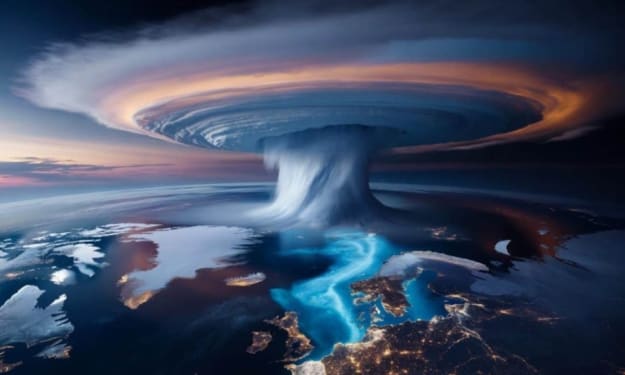
Nature, in all its grandeur and splendor, is a remarkable testament to the wonders of the world we inhabit. From the majestic mountains to the shimmering seas, from the vast stretches of forests to the delicate petals of a flower, nature encompasses an unparalleled beauty that captivates our senses and nourishes our souls. In an era dominated by technology and urbanization, it becomes imperative to reconnect with the natural world and appreciate its significance in our lives.
One of the most striking aspects of nature is its ability to evoke a sense of awe and wonder. Whether it be witnessing a breathtaking sunset painting the sky in vibrant hues or gazing at a star-studded night sky, nature has an enchanting power to transport us beyond the confines of our everyday existence. It ignites our imagination, reminding us of our place in the vastness of the universe and inspiring a profound sense of humility and reverence.
Moreover, nature provides a sanctuary for peace and serenity. In the midst of the chaotic rhythm of modern life, retreating to the tranquility of nature can be a much-needed respite for our weary minds and bodies. The soothing sound of a babbling brook, the gentle rustle of leaves in a forest, or the rhythmic crashing of waves on a shoreline can restore a sense of calmness and rejuvenation. Nature has the remarkable ability to heal, both physically and mentally, serving as a natural therapy that promotes well-being and balance.
Beyond its aesthetic allure, nature is a living ecosystem of interdependent organisms. It encompasses an intricate web of life, where every plant, animal, and microorganism plays a vital role in maintaining the delicate balance of the ecosystem. From the humblest of insects to the mightiest of predators, each species contributes to the intricate tapestry of biodiversity. This rich diversity not only enriches the natural world but also provides us with invaluable resources and ecosystem services.
Forests, for instance, are not only home to countless species but also act as the lungs of the Earth, absorbing carbon dioxide and releasing oxygen, thus helping to regulate the global climate. Wetlands serve as natural filters, purifying water and mitigating floods. Coral reefs, often referred to as the "rainforests of the sea," support an array of marine life and protect coastlines from erosion. Nature's bountiful resources, such as timber, food, and medicine, are indispensable to our survival and well-being.
However, despite the undeniable benefits that nature bestows upon us, it is facing unprecedented threats. Human activities, such as deforestation, pollution, and climate change, are taking a toll on the delicate equilibrium of ecosystems worldwide. The loss of habitat, the extinction of species, and the degradation of natural landscapes are alarming consequences of our unsustainable practices. It is imperative that we recognize the urgent need to protect and conserve nature for future generations.
Conservation efforts are crucial to safeguarding the remarkable diversity and resilience of nature. By establishing protected areas, implementing sustainable practices, and promoting responsible tourism, we can minimize our impact on the environment and ensure the longevity of our natural heritage. Supporting initiatives that aim to restore degraded ecosystems, preserve endangered species, and combat climate change is a collective responsibility that we must embrace.
Forests, for instance, are not only home to countless species but also act as the lungs of the Earth, absorbing carbon dioxide and releasing oxygen, thus helping to regulate the global climate. Wetlands serve as natural filters, purifying water and mitigating floods. Coral reefs, often referred to as the "rainforests of the sea," support an array of marine life and protect coastlines from erosion. Nature's bountiful resources, such as timber, food, and medicine, are indispensable to our survival and well-being.
However, despite the undeniable benefits that nature bestows upon us, it is facing unprecedented threats. Human activities, such as deforestation, pollution, and climate change, are taking a toll on the delicate equilibrium of ecosystems worldwide. The loss of habitat, the extinction of species, and the degradation of natural landscapes are alarming consequences of our unsustainable practices. It is imperative that we recognize the urgent need to protect and conserve nature for future generations.
Conservation efforts are crucial to safeguarding the remarkable diversity and resilience of nature. By establishing protected areas, implementing sustainable practices, and promoting responsible tourism, we can minimize our impact on the environment and ensure the longevity of our natural heritage. Supporting initiatives that aim to restore degraded ecosystems, preserve endangered species, and combat climate change is a collective responsibility that we must embrace.
About the Creator
Keep reading
More stories from writers in Earth and other communities.
Meteorologists Warn February Could Open With an Arctic Collapse Driven by Extreme Atmospheric Anomalies
Meteorologists are warning that February could begin with an “Arctic collapse”, a dramatic breakdown in polar atmospheric patterns driven by extreme anomalies high above the Earth’s surface. Forecast models are increasingly signaling the risk of a major disruption to the Arctic’s circulation system—one that could allow frigid polar air to spill far southward, triggering severe winter weather, sudden cold snaps, and heightened climate volatility across North America, Europe, and parts of Asia.
By Salaar Jamaliabout 14 hours ago in Earth
Met Office Names All the UK Areas Facing Snow This Weekend
The Met Office has issued fresh forecasts warning that snow is set to affect large parts of the UK this weekend, with wintry conditions expected to develop from Saturday and persist into Sunday. As colder air moves south and meets bands of moisture, forecasters say a mix of snow, sleet, and freezing rain could disrupt travel and daily life across multiple regions.
By Aarif Lasharia day ago in Earth



Comments
There are no comments for this story
Be the first to respond and start the conversation.