
Meteorologists Warn February Could Open With an Arctic Collapse Driven by Extreme Atmospheric Anomalies
Disrupted polar circulation may unleash severe cold outbreaks, volatile storms, and sharp temperature swings across the Northern Hemisphere

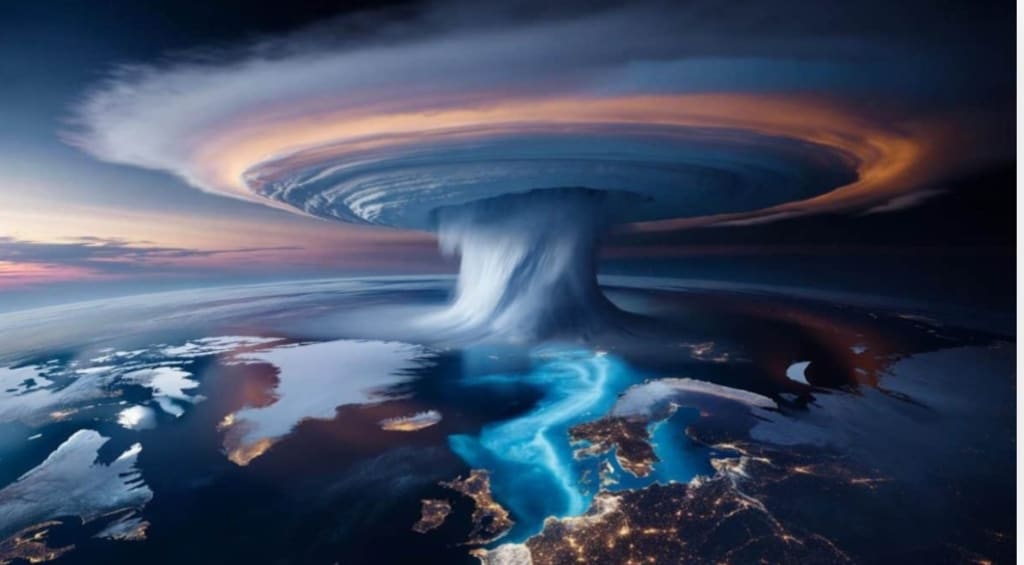
Meteorologists are warning that February could begin with an “Arctic collapse”, a dramatic breakdown in polar atmospheric patterns driven by extreme anomalies high above the Earth’s surface. Forecast models are increasingly signaling the risk of a major disruption to the Arctic’s circulation system—one that could allow frigid polar air to spill far southward, triggering severe winter weather, sudden cold snaps, and heightened climate volatility across North America, Europe, and parts of Asia.
While winter cold is not unusual, experts stress that what is emerging is not a typical seasonal fluctuation, but a potentially large-scale atmospheric event with global consequences.
---
What Is an Arctic Collapse?
An Arctic collapse refers to a significant weakening or destabilization of the polar vortex, the massive ring of strong winds that normally traps cold air near the Arctic. When this system is intact, it acts like a barrier, keeping the coldest air locked in the far north.
However, when extreme atmospheric anomalies disrupt this circulation, the vortex can stretch, split, or even partially collapse. This allows dense Arctic air to surge southward, while warmer air pushes unusually far north, creating sharp temperature contrasts and chaotic weather patterns.
Meteorologists emphasize that such events do not mean the Arctic itself disappears—but rather that its containment of cold air fails, with widespread downstream impacts.
---
The Atmospheric Anomalies Behind the Warning
The current concern stems from a convergence of unusual signals in both the troposphere and stratosphere, the lower and upper layers of the atmosphere.
One key factor is the potential development of sudden stratospheric warming (SSW)—a phenomenon in which temperatures in the stratosphere above the Arctic rise rapidly by tens of degrees in just days. This warming weakens the polar vortex, disrupting its circulation and cascading downward into the lower atmosphere.
At the same time, forecasters are observing abnormal jet stream behavior, including amplified waves that increase the likelihood of blocking patterns. These blocks can stall weather systems, locking regions into prolonged periods of cold, snow, or, in some cases, unseasonable warmth.
When these anomalies align, the result can be an Arctic collapse scenario early in February.
---
What Regions Could Be Affected?
North America
Large portions of the United States and Canada could see sharp temperature drops, particularly across the Midwest, Great Plains, and eastern regions. Arctic air intrusions can drive wind chills well below normal, strain energy systems, and increase the risk of snowstorms and ice events.
Europe
Europe is also vulnerable to polar air surges, especially if high-pressure blocks form over the North Atlantic or Scandinavia. This setup can funnel cold air into Western and Central Europe, raising the potential for widespread frost, snowfall, and transportation disruptions.
Asia
Parts of northern and eastern Asia could experience intensified cold spells, while shifts in the jet stream may also influence storm tracks affecting East Asia and the Middle East.
Meteorologists caution that impacts may vary by region, but the overall signal points to increased volatility rather than a uniform cold outbreak.
---
Why February Is a Critical Window
February is historically one of the most sensitive months for polar vortex disruptions. The stratosphere is still cold enough to sustain strong circulation, yet increasingly vulnerable to destabilization as seasonal sunlight returns to the Arctic.
When an Arctic collapse occurs in February, its effects can persist for weeks, influencing weather well into late winter and even early spring. This timing also increases the risk of false spring conditions, where early warmth is followed by sudden freezes that damage crops and ecosystems.
---
Climate Change and Arctic Instability
While individual Arctic collapse events are part of natural variability, scientists increasingly link the frequency and intensity of these disruptions to climate change. The Arctic is warming at more than twice the global average, reducing the temperature contrast between the poles and the mid-latitudes.
This weakening gradient can destabilize the jet stream, making it slower, wavier, and more prone to extreme swings. As a result, cold air outbreaks may become less frequent overall—but more intense and unpredictable when they occur.
Meteorologists stress that this paradox—fewer cold days but harsher cold extremes—is a hallmark of a rapidly changing climate system.
---
Potential Impacts Beyond Weather
An Arctic collapse can have ripple effects beyond temperature and snowfall:
Energy demand spikes as heating needs surge suddenly
Power grid stress increases, especially during prolonged cold
Transportation disruptions due to snow, ice, and frozen infrastructure
Agricultural damage from freeze-thaw cycles
Public health risks, particularly for vulnerable populations
Emergency planners and utilities often monitor these atmospheric signals closely to prepare for rapid changes.
---
How Certain Is the Forecast?
Meteorologists caution that forecast confidence decreases with time, especially for complex stratospheric events. While model agreement is growing, the exact intensity, timing, and geographic focus of an Arctic collapse remain uncertain.
What is clear, however, is that atmospheric conditions are primed for disruption, making early February a period to watch closely.
Forecasters advise governments, industries, and the public to remain alert, follow updated weather guidance, and prepare for rapid shifts rather than relying on seasonal averages.
---
Conclusion
The warning that February could open with an Arctic collapse underscores the growing complexity of modern weather patterns. Driven by extreme atmospheric anomalies high above the Earth, such an event could unleash powerful cold outbreaks, destabilize weather systems, and test infrastructure across the Northern Hemisphere.
Whether the collapse fully materializes or not, the signals highlight a broader reality: the Arctic is no longer a stable anchor of the global climate system. As polar processes become increasingly erratic, extreme winter events—when they occur—are likely to be sharper, faster, and more disruptive.
For meteorologists and policymakers alike, the message is clear: winter weather risks are evolving, and preparedness must evolve with them.
About the Creator
Keep reading
More stories from Salaar Jamali and writers in Earth and other communities.
Farmers Devastated as Key Crop Becomes Harder to Grow: ‘Cultivation Is Now Under Threat’
Farmers around the world are raising the alarm as a key agricultural crop — long a backbone of rural economies and food supply chains — becomes increasingly difficult to grow. From rising temperatures to unpredictable rainfall, from soaring input costs to dwindling water supplies, the pressures on cultivation are mounting. For many farming communities, what was once a reliable livelihood is now under threat.
By Salaar Jamali3 days ago in Earth
US Winter Storm: At Least 30 Dead as Nearly 200 Million Under Cold Alerts
Deadly Winter Hits the United States A historic winter storm has swept across the United States, leaving at least 30 people dead and nearly 200 million residents under cold-weather alerts. The storm, marked by record-low temperatures, heavy snow, and icy conditions, has affected large portions of the country from the Midwest to the East Coast. Meteorologists describe this event as one of the most severe in recent decades, noting its combination of extreme cold, high winds, and widespread snow coverage. Authorities warn that these conditions pose significant risks to public safety and infrastructure. Understanding the Storm The winter storm is the result of a polar air mass moving southward, colliding with warmer air from southern regions. This interaction has created blizzard conditions, ice accumulation, and dangerously low wind chill temperatures. Cold alerts have been issued for nearly two-thirds of the U.S. population, including major cities such as Chicago, New York, and Dallas. Temperatures have plunged to historic lows in some regions, reaching -30°F (-34°C) in northern states. Fatalities and Human Impact At least 30 confirmed deaths have been attributed to the storm, primarily caused by traffic accidents, hypothermia, and carbon monoxide poisoning from improper heating methods. Emergency services report a surge in calls for assistance, including rescues of stranded motorists and people trapped in their homes. Vulnerable populations, including the elderly, homeless, and low-income families, are particularly at risk. Shelters and warming centers have been opened in major cities, but demand has exceeded capacity in many areas. Transportation and Infrastructure Disruptions The storm has caused widespread disruption to transportation networks, including: Thousands of flight cancellations and delays at major airports Closed highways and roads due to ice and snow Delays in public transit systems in urban areas Power outages affecting millions of homes and businesses Utility companies are working to restore electricity, but extreme cold complicates repair efforts. Residents are advised to limit travel, conserve energy, and prepare for extended outages. Public Health Concerns Severe cold presents serious public health risks. Authorities emphasize the importance of: Staying indoors whenever possible Wearing layers of warm clothing Avoiding prolonged exposure to the cold Checking on neighbors, especially elderly or disabled individuals Medical professionals warn that hypothermia, frostbite, and heart strain from shoveling snow are common causes of winter-related emergencies during such storms. Carbon monoxide poisoning has also been a concern, as some residents use improper heating devices indoors. Community Preparedness and Response Community response has been critical in mitigating the impact of the storm. Local governments and organizations have: Set up emergency warming centers and shelters Deployed road crews for snow and ice removal Coordinated with volunteers and nonprofits to deliver food, blankets, and supplies Issued emergency alerts and advisories through multiple channels Citizens are encouraged to check on neighbors, keep emergency kits ready, and follow official guidance to stay safe. Economic and Social Consequences Beyond immediate safety concerns, the winter storm is expected to have economic repercussions: Retail, hospitality, and service sectors face lost revenue due to closures Supply chains are delayed, affecting deliveries and manufacturing Utility companies will incur extra costs for emergency repairs and overtime Insurance claims for property damage and vehicle accidents are likely to rise The storm also highlights social inequality, as lower-income households are less equipped to cope with prolonged outages or heating costs. The Role of Climate Patterns Meteorologists link extreme winter storms to polar vortex fluctuations, La Niña effects, and broader climate variability. While global warming has generally increased average temperatures, it has also contributed to more extreme and erratic weather patterns, including sudden cold outbreaks in temperate regions. Experts stress the importance of investing in resilient infrastructure, emergency planning, and climate adaptation strategies to minimize future impacts. Key Safety Recommendations for Communities Authorities advise that individuals and communities take proactive measures, including: Maintaining emergency supplies, including food, water, and blankets Avoiding unnecessary travel and staying informed via official channels Checking on vulnerable residents and providing assistance Ensuring proper ventilation when using indoor heating devices Community solidarity can significantly reduce fatalities and hardships during extreme weather events. Looking Ahead While the storm is expected to gradually move eastward, meteorologists caution that dangerous conditions may persist in some areas for several days. Recovery will require coordination between local governments, utility providers, and community organizations. This event also serves as a reminder of the importance of preparedness, highlighting how weather emergencies can quickly affect millions of people, disrupt services, and threaten lives. Conclusion The US winter storm has been deadly and disruptive, claiming lives, overwhelming infrastructure, and affecting nearly 200 million people under cold alerts. Its impact extends beyond immediate safety to economic, social, and public health consequences. Communities that prepare, support vulnerable residents, and follow emergency guidance can mitigate the worst effects. This storm underscores the urgent need for awareness, planning, and resilience in the face of increasingly extreme weather events.
By Aarif Lashari6 days ago in Earth
Ukrainian President Zelenskyy Invites Putin to Kyiv for Talks
Ukrainian President Volodymyr Zelenskyy has publicly invited Russian President Vladimir Putin to Kyiv for direct talks, marking one of the most striking diplomatic gestures since the outbreak of the war between Russia and Ukraine. The invitation, unprecedented in both symbolism and political risk, immediately drew global attention and sparked intense debate among diplomats, analysts, and citizens alike.
By Aarif Lashari2 days ago in Earth



Comments
There are no comments for this story
Be the first to respond and start the conversation.