Latest Stories
Most recently published stories in Earth.
Swiss Authorities Launch Criminal Investigation After Deadly Ski Resort Fire. AI-Generated.
Switzerland is grappling with a tragedy after a deadly fire broke out at a popular ski resort bar, prompting authorities to launch a criminal investigation into the incident. The fire, which erupted late last week, has left multiple victims dead and many others hospitalized with serious injuries. The resort, known for its lively après-ski scene, became the site of a horrific accident when a decorative sparkler display ignited flammable materials in the bar. Witnesses report that the fire spread rapidly, trapping patrons and staff inside the crowded venue. Emergency services responded swiftly, but the blaze’s intensity made rescue operations difficult. Swiss police confirmed that the incident is being treated as a criminal matter, with investigators focusing on possible negligence or violations of safety regulations. “We are taking this investigation very seriously,” said a spokesperson for the local authorities. “Every angle will be explored to determine how such a devastating event could have occurred.” Initial reports suggest that sparkler candles used as part of a celebration may have caused the fire to ignite. While sparklers are a common element of festive events in many ski resorts, they are highly flammable and can easily trigger fires if used improperly or near combustible materials. Eyewitnesses describe a scene of chaos as smoke and flames engulfed the bar. “People were screaming and trying to escape,” one guest recalled. “It all happened so fast. One moment there was celebration, the next, people were running for their lives.” Emergency responders arrived within minutes, but by then, the fire had already caused significant damage to the structure. Authorities have confirmed that several people lost their lives in the fire. Among the victims are both local residents and tourists who had come to enjoy the winter festivities. Hospitals in the region are currently treating dozens of injured individuals, some of whom are in critical condition. Families and friends of the victims are receiving support, as the community reels from the tragedy. The criminal investigation will likely examine a range of factors, including adherence to fire safety regulations, the bar’s emergency preparedness, and the circumstances surrounding the use of sparkler candles. Swiss law requires that establishments hosting public events implement strict safety measures, including fire prevention protocols, adequate exit routes, and staff trained in emergency response. Preliminary findings from investigators may focus on whether these regulations were followed and whether any lapses contributed to the fire’s severity. Experts note that fire safety compliance is critical in public venues, especially those that attract large crowds. In a country like Switzerland, where winter tourism is a major industry, authorities are particularly vigilant about enforcing safety measures to prevent such tragedies. The incident has sparked a broader conversation about safety in ski resorts across Europe. While Switzerland is renowned for its meticulous approach to safety and emergency preparedness, accidents like this highlight the risks associated with crowded entertainment spaces and the use of flammable materials in celebrations. Industry professionals emphasize the importance of proper training and preventive measures. “Even a small spark can turn into a disaster if safety protocols are not followed,” said a fire safety consultant. “It’s essential for venues to conduct regular safety drills and ensure all staff know how to respond in emergencies.” Local officials are urging visitors to exercise caution while celebrating, especially in venues that use decorative pyrotechnics. Public awareness campaigns may be intensified in the coming weeks to reinforce safety guidelines for both staff and patrons. Meanwhile, the resort has closed the affected bar indefinitely and announced support services for those impacted by the fire. Counseling and assistance are being provided to victims’ families, as the community comes to terms with the scale of the tragedy. As the investigation continues, Swiss authorities have promised transparency and accountability. They have urged anyone with information about the incident to come forward. The criminal probe aims to ensure that all contributing factors are identified and that lessons are learned to prevent future incidents. In addition to the immediate criminal investigation, there may also be civil and regulatory consequences for the bar’s owners. Potential fines, liability claims, and stricter enforcement of fire safety codes could follow, depending on the findings. This incident serves as a sobering reminder of the critical importance of fire safety in public venues. The deadly fire at the Swiss ski resort bar has left the nation mourning. It is a tragedy that underscores how quickly a festive celebration can turn into a catastrophic event when safety protocols fail. Authorities continue to work around the clock to investigate the cause, support victims, and implement measures that can prevent similar tragedies in the future. While the full details of the incident are still emerging, one thing is clear: fire safety in public spaces cannot be taken lightly. From emergency exits to staff training and the careful use of decorative elements, every precaution matters. The ongoing investigation will play a crucial role in ensuring accountability and protecting both residents and tourists in Switzerland’s popular winter destinations.
By Muhammad Hassan19 days ago in Earth
Britain and France Strike Suspected Islamic State Arms Dump in Syria. AI-Generated.
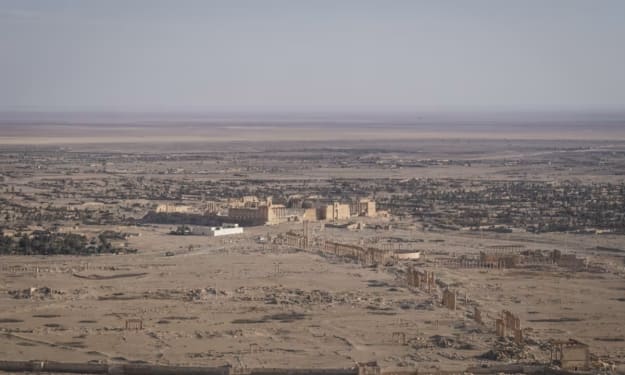
Britain and France have just carried out a joint airstrike in central Syria, targeting what they believe is an Islamic State (IS) arms dump. The operation took place near Palmyra in Homs province, a location known for its rugged terrain and historic significance. The airstrike highlights how Western nations are still actively working to prevent the resurgence of IS, even years after the group lost its territory. What Happened? The UK Ministry of Defence (MoD) confirmed that Royal Air Force jets, working together with French military aircraft, struck an underground facility thought to store weapons and explosives. Thankfully, officials say no civilians were in the area and all aircraft returned safely. According to British and French authorities, the facility included subterranean tunnels that could have been used to store weapons or plan attacks. By hitting this target, the coalition aims to stop IS from regaining strength in remote desert areas. Why It Matters Even though IS was territorially defeated in 2019, intelligence reports show that the group still maintains sleeper cells in Syria and Iraq. Remote areas like Palmyra provide cover for militants to regroup and possibly rebuild their operations. Analysts warn that the group’s ideology continues to attract followers, making targeted strikes like this essential for global security. This airstrike is part of a broader strategy by coalition forces to keep IS on the defensive. Last month, for example, the U.S. also launched strikes in Syria in response to attacks near Palmyra. The joint British-French strike shows that Western countries are working together to prevent IS from regaining a foothold. How the Strike Happened The air operation involved RAF Typhoon fighter jets using precision-guided bombs, supported by a refueling tanker in the air. French aircraft hit the same target simultaneously, showing a high level of military coordination between London and Paris. Officials stressed that the strike was carefully planned to avoid civilian casualties. By targeting the arms depot, the coalition hopes to disrupt IS operations and limit the group’s ability to organize attacks in Syria or beyond. Strong Partnership: UK and France Working Together This operation also highlights the strong military partnership between the UK and France. Both countries have been part of the international coalition against IS since 2014. Their cooperation shows a long-term commitment to fighting extremism in the Middle East and preventing threats to European security. UK Defence Secretary John Healey called the strike a clear message that Western allies are “standing shoulder to shoulder” against violent extremist ideologies. For both nations, this isn’t just about immediate security—it’s about long-term stability in the region. The Bigger Picture IS may have lost its so-called caliphate, but its ideology and network remain a threat. Remnants of the group continue to operate in deserts and caves across Syria and Iraq, making ongoing airstrikes and intelligence operations crucial. The recent UK-French airstrike is part of a series of coalition efforts to stop IS from rebuilding. While it’s too soon to know the full impact, experts believe targeted operations like this send a strong signal to extremists that coalition forces are still active and vigilant. What This Means for the Future For now, this operation shows that Western countries remain proactive in addressing threats like IS. Precision strikes, intelligence gathering, and international cooperation are all part of the strategy to prevent extremist groups from regaining momentum. While the fight against IS isn’t over, Britain and France have made it clear that they will continue to monitor and respond to threats wherever they appear. In a world where extremist groups can regroup quickly, vigilance remains the best defense. ✅ Takeaway: Even after years of defeat, IS still poses risks. Coordinated strikes like this remind us that international cooperation and intelligence-led operations are crucial to keeping these threats in check
By Muhammad Hassan20 days ago in Earth
Frozen Pipes. AI-Generated.
As winter temperatures continue to dip across the UK, British Gas has issued a clear warning to households: frozen pipes are becoming an increasingly common and costly problem. While icy mornings may feel familiar, the damage caused by frozen pipes often arrives unexpectedly, disrupting daily life and leading to expensive repairs. The warning serves as a timely reminder that preparing your home for cold weather is not just sensible—it’s essential. Frozen pipes are not a new issue, but changing weather patterns, older housing stock, and rising energy costs have made them a growing concern. British Gas engineers report a surge in callouts every winter, many of which could have been avoided with basic preventative measures. Why Frozen Pipes Are Such a Serious Problem When water freezes inside a pipe, it expands. This expansion puts pressure on the pipe walls, increasing the risk of cracks or bursts. The most dangerous part is that the damage often becomes visible only when the ice melts. Suddenly, water begins leaking—sometimes flooding homes within minutes. According to British Gas, burst pipes are one of the most common causes of winter home emergencies. Repairs can range from simple fixes to major structural work, depending on how quickly the problem is discovered. In severe cases, homeowners may face damaged flooring, ruined furniture, and mould growth long after the pipe itself has been repaired. Which Homes Are Most at Risk? British Gas highlights that certain properties are more vulnerable to frozen pipes than others. Homes with older plumbing systems, poorly insulated lofts, or exposed pipework face a higher risk. Pipes located in garages, basements, lofts, or external walls are particularly susceptible to freezing temperatures. Unoccupied homes are another major concern. When heating systems are switched off entirely—common during holidays or long absences—pipes are left unprotected. British Gas warns that many winter emergencies occur in properties where no one is home to notice the early signs of freezing. The Hidden Cost of Frozen Pipes Beyond the inconvenience, frozen pipes can have significant financial consequences. Emergency callouts, plumbing repairs, and water damage restoration can cost hundreds or even thousands of pounds. Insurance claims may help, but policies often require homeowners to demonstrate that reasonable precautions were taken. British Gas notes that many claims are rejected because homes were left without adequate heating or pipe insulation. This makes prevention not only practical but financially wise. British Gas Advice on Preventing Frozen Pipes To help households avoid winter disasters, British Gas has shared several practical recommendations. These steps are simple, affordable, and effective when taken early. One of the most important tips is maintaining a low, consistent level of heating. Even when you’re away, keeping the thermostat set to a minimum temperature can prevent pipes from freezing. British Gas advises against turning heating off completely during cold spells. Insulating pipes is another key measure. Foam pipe insulation is inexpensive and easy to install, yet it significantly reduces heat loss. Insulating lofts and water tanks also provides added protection during prolonged cold weather. Letting taps drip slightly during extreme cold can also help. While it may seem wasteful, moving water is less likely to freeze. British Gas suggests this as a short-term solution during severe temperature drops. What to Do If You Suspect a Frozen Pipe Recognising the early signs of frozen pipes can make a big difference. Reduced water flow, strange noises from taps, or visible frost on pipework are all warning signals. British Gas recommends acting quickly if any of these signs appear. The first step is to turn off the water supply to prevent further damage. If it’s safe to do so, gently warming the affected pipe using a hot water bottle, warm towels, or a hairdryer on a low setting may help. Open flames should never be used, as they pose a serious fire risk. If the pipe has burst or you’re unsure how to handle the situation, contacting a qualified engineer is essential. British Gas encourages homeowners not to attempt complex repairs themselves, as improper fixes can worsen the damage. Energy Efficiency and Pipe Protection Go Hand in Hand British Gas also emphasizes that protecting pipes aligns closely with improving overall energy efficiency. Well-insulated homes retain heat better, reducing the strain on heating systems and lowering energy bills. Simple upgrades like draught-proofing doors and sealing gaps around windows can help maintain indoor temperatures and protect pipework. As energy costs remain a concern for many households, British Gas encourages homeowners to view pipe protection as part of a broader approach to winter efficiency. Preventative maintenance today can prevent financial stress tomorrow. A Seasonal Reminder Worth Taking Seriously Frozen pipes may not be the first thing people think about when winter arrives, but British Gas’s warning highlights how quickly a small issue can turn into a major problem. The good news is that most frozen pipe incidents are preventable with foresight and basic home care. By keeping homes heated, insulating vulnerable areas, and staying alert to early warning signs, households can significantly reduce their risk. British Gas’s message is clear: preparation is far easier and cheaper than emergency repairs. As winter continues, taking a few simple steps now can protect your home, your comfort, and your peace of mind—no matter how low the temperature drops.
By Saboor Brohi 20 days ago in Earth
Adorable Booby Birds
Boobies are seabirds inhabiting tropical and subtropical water all over the globe. These birds are part of the Sulidae family of seabirds, which also includes cormorants and gannets. Boobies are known for their graceful flights, large size, and distinctive colors. They nest in large colonies alongside other seabirds. Their diet consists of fish, squid, and other small sea animals. They dive into the water to catch their prey.
By Rasma Raisters20 days ago in Earth
Grassland: Facts, Ecosystem, Climate, Species, and Conservation
Grasslands are open landscapes of grasses and form a vital part of global biomes and Earth landscapes. These landscapes are among the most extensive and ecologically important terrestrial ecosystems on Earth. Grasslands cover roughly 20 to 40 percent of the planet’s land surface, excluding Antarctica, and occur across multiple continents in both tropical and temperate regions.
By Mountains Curve20 days ago in Earth
The Full Moon of January. AI-Generated.
The first full moon of the year has a way of arriving softly, yet leaving a lasting impression. Hanging low in the cold night sky, the full moon of January feels different from the moons that follow. It does not compete with summer heat or autumn color. Instead, it reflects a quieter season, when the world seems paused and the night air carries a sense of reflection. This moon is often seen as a symbol of beginnings, resilience, and the steady return of light after long winter nights. January’s full moon rises during one of the coldest and calmest times of the year. In many places, trees stand bare, fields rest under frost or snow, and the nights feel longer than usual. Against this backdrop, the moon appears brighter and sharper, almost as if winter itself is helping it glow. Without thick leaves or humid air to soften its light, the moon’s surface details become easier to notice, creating a striking and memorable sight. Traditionally, the January full moon is known as the Wolf Moon. This name is often linked to old folklore and early communities who noticed how wolves were more frequently heard during winter nights. Food was scarce, villages were quieter, and the sound of howling carried farther through the cold air. Over time, the name became a poetic way to describe both the season and the moon that watched over it. While modern life has distanced many of us from such natural rhythms, the name still carries a sense of wilderness and survival. Beyond its name, the full moon of January holds cultural importance across different societies. In some traditions, it was a marker of time, helping people plan travel, farming, and seasonal rituals. The moon served as a natural calendar long before clocks and digital screens existed. Even today, many cultures continue to celebrate the first full moon of the year as a moment to set intentions, reflect on the past, and welcome what lies ahead. Astronomically, a full moon occurs when the Earth sits between the sun and the moon, allowing the moon’s surface to be fully illuminated. In January, this alignment often results in a moon that appears especially bright and high in contrast. Cold winter air tends to be clearer, with less moisture and haze, which enhances visibility. This clarity makes January an excellent time for moon gazing, even for those who are not experienced stargazers. Emotionally, the full moon of January often invites introspection. The start of a new year naturally encourages people to think about goals, habits, and changes they want to make. When the moon rises full and steady, it can feel like a gentle reminder to slow down and be honest with oneself. Unlike the energetic optimism of spring or the vibrant freedom of summer, January’s moon speaks of patience and endurance. It suggests that growth does not always happen loudly or quickly. Nature also responds subtly to this lunar phase. Tides continue their rhythmic rise and fall, influenced by the gravitational pull of the moon. Animals that are sensitive to light and darkness may adjust their behavior, becoming more active during brighter nights. In colder regions, snow-covered landscapes reflect moonlight beautifully, turning familiar places into quiet, glowing scenes. For many people, a walk under a January full moon can feel almost meditative. Photographers and artists often find inspiration during this time. The contrast between the bright moon and the dark winter sky creates dramatic visuals. City skylines, frozen lakes, and empty roads take on a different character when illuminated by moonlight. Writers and poets have long used the January moon as a symbol of solitude, strength, and renewal, drawing from its calm presence to explore deeper themes. There is also a spiritual side associated with the January full moon. Some people view it as a time to release what no longer serves them. Just as the moon reaches its fullest point before slowly waning, individuals may choose this moment to let go of old patterns, regrets, or fears. This idea of release is not about dramatic change, but about making space for gradual improvement throughout the year. Despite the cold and darkness often linked with January, the full moon offers a sense of balance. It reminds us that even in the quietest and most challenging seasons, there is light. The moon does not rush the coming of spring, nor does it resist winter’s hold. It simply shines, consistent and reliable, encouraging the same steadiness in those who take the time to notice it. In a fast-paced world, pausing to observe the full moon of January can feel like a small act of rebellion against constant motion. It asks nothing more than a few moments of attention. Whether seen from a snowy field, a city balcony, or through a bedroom window, this moon marks the beginning of a new lunar cycle and, symbolically, a fresh chapter. The full moon of January may not be the most celebrated or photographed moon of the year, but its quiet beauty carries a deep message. It stands as a reminder that beginnings do not always arrive with noise or excitement. Sometimes, they come wrapped in silence, cold air, and a steady glow in the night sky, guiding us forward one calm step at a time.
By Saboor Brohi 20 days ago in Earth
A Megapolis Rising from Seven Islands: The Story of Mumbai's Transformation. AI-Generated.
Mumbai, the city of dreams, is a global hub of commerce, culture, and entertainment. Known for its iconic skyline, bustling streets, and vibrant energy, it’s hard to imagine that this megacity was once just a cluster of seven islands. Today, Mumbai is India’s financial capital and the world’s most populous urban area. But the story of how this sprawling metropolis rose from humble beginnings is a tale of ambition, transformation, and resilience. The Seven Islands: A Humble Beginning Mumbai, originally known as Bombay, owes its existence to a unique geological formation. The city was originally composed of seven islands: Colaba, Old Woman’s Island, Bombay Island, Parel, Mazgaon, Worli, and Girgaon. These islands were once part of the Arabian Sea and were sparsely populated by fishing communities. However, the islands offered strategic advantages that made them ripe for development. The earliest known settlers in the area were the Koli fishermen, who made their homes along the shores of these islands. The islands saw little development until the arrival of the Portuguese in the 16th century and later, the British in the 17th century. The British Era and the Birth of Modern Mumbai The British East India Company took control of the islands in 1661, when Catherine of Braganza, the daughter of the Portuguese king, married King Charles II of England. As part of her dowry, the British received the islands of Bombay, which became part of their colonial empire. Under British rule, the islands saw significant changes that laid the foundation for what would become one of the world’s largest cities. In 1668, the British East India Company began leasing the islands from the Crown. Over time, Bombay grew as a trading port, becoming a key link in the British Empire’s maritime network. The British undertook major infrastructural projects to transform the islands. The most significant of these was the reclamation of land, which allowed for the merging of the seven islands into a single landmass. This ambitious engineering feat, known as the “Bombay Reclamation,” began in the early 19th century and continued well into the 20th century. Reclamation and the Expansion of Bombay The land reclamation projects were monumental in reshaping the geography of Mumbai. The British engineers and planners filled in large portions of the sea to create new land for buildings, roads, and infrastructure. This expansion made room for the city’s growing population and its economic activities. The newly created land was used for developing the financial districts, industrial zones, and residential areas. The construction of the iconic Victoria Terminus (now Chhatrapati Shivaji Maharaj Terminus), one of Mumbai’s most famous landmarks, was a part of the city’s transformation. The creation of Bombay’s first railway line in 1853 was another turning point, linking the city to the rest of India and further establishing its importance as a commercial hub. Mumbai’s Transformation into a Global City As the 20th century unfolded, Bombay grew rapidly in both population and importance. The city became a major center for trade, industry, and finance. The development of the textile industry, in particular, attracted thousands of migrants from rural India, making Mumbai one of the most densely populated cities in the world. Bombay was also a center for the film industry, which would later come to be known as Bollywood. The city’s cultural diversity, blending traditional Indian customs with Western influences, created a unique urban identity. Over time, the city expanded even further, with the addition of new suburbs and business districts. The development of the Mumbai Port and the establishment of the Bombay Stock Exchange solidified the city’s status as the economic engine of India. The 21st Century: A Modern Megacity In the 21st century, Mumbai has solidified its place as one of the world’s most influential cities. Despite the challenges of overcrowding, pollution, and poverty, the city continues to thrive. Mumbai’s skyline is now dotted with modern skyscrapers, luxury hotels, and high-end retail outlets. The city is home to numerous multinational corporations, making it an important player in the global economy. Mumbai also plays a pivotal role in the technology and startup ecosystem, with a growing number of tech companies and entrepreneurs calling the city home. From its bustling financial districts to its vibrant art scene, Mumbai continues to evolve and grow. Yet, despite its modern trappings, the city has not forgotten its roots. The Koli fishing communities still inhabit parts of the city, and many of Mumbai’s oldest neighborhoods retain their historical charm. This blend of old and new is what makes Mumbai truly unique. It’s a city that celebrates its rich cultural heritage while constantly evolving to meet the demands of the future. Conclusion: A City of Resilience From its origins as a group of seven islands to becoming a global megacity, Mumbai’s journey is a testament to the power of transformation. The city’s rise is not just about physical development but also about the resilience and spirit of its people. Mumbai, with its bustling streets, towering skyscrapers, and rich history, stands as a symbol of India’s growth and ambition. Today, Mumbai remains a beacon of hope and opportunity for millions of people, drawing individuals from across the country and the world. As the city continues to rise and evolve, one thing is certain: Mumbai, born from seven islands, will continue to shine as one of the world’s most dynamic and vibrant megacities.
By Muhammad Hassan20 days ago in Earth
How to Spend a Week in Johannesburg, South Africa: A Perfect Guide for First-Time Visitors. AI-Generated.
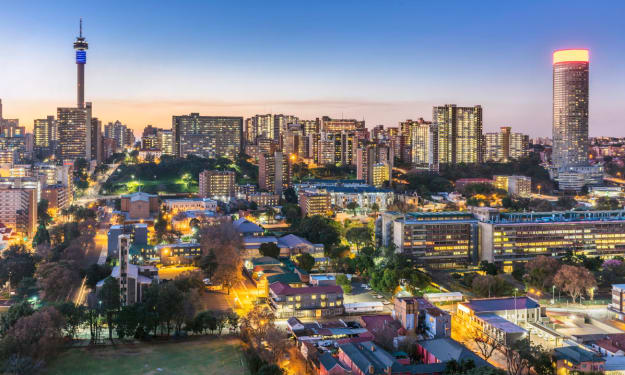
Johannesburg, often referred to as Jo’burg or Jozi, is South Africa’s largest city and a vibrant hub that embodies the country’s complex history, diverse cultures, and modern developments. Situated in the heart of Gauteng Province, Johannesburg is a city of contrasts, where towering skyscrapers sit alongside historic townships, world-class art galleries are just a short distance from street vendors, and high-end restaurants coexist with humble food stalls. If you’re planning to spend a week in this dynamic city, this guide will help you make the most of your time and experience everything Johannesburg has to offer, from its fascinating history to its buzzing nightlife.
By Muhammad Hassan20 days ago in Earth
The Great Wall of China: A Monument of History, Culture, and Engineering. AI-Generated.
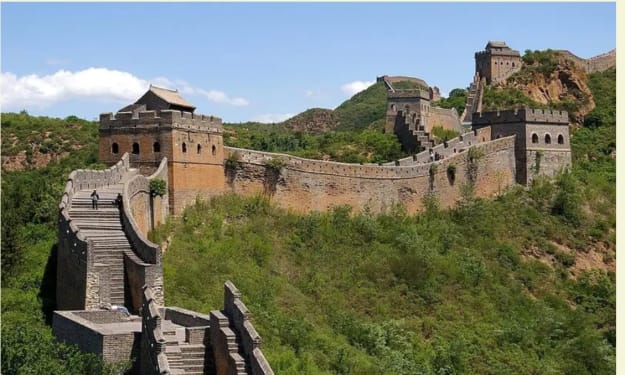
The Great Wall of China, one of the world’s most iconic structures, stands as a testament to both human ingenuity and the determination to protect a civilization. Stretching across northern China for over 13,000 miles, this architectural marvel is not only an engineering feat but also a symbol of China’s strength, perseverance, and cultural heritage. Throughout its history, the Great Wall has withstood the test of time, nature, and human conflict, serving as a guard against invasions and a unifying symbol of Chinese identity. The Origins of the Great Wall The origins of the Great Wall can be traced back to the 7th century BC during the Warring States period in ancient China. The first walls were built by various feudal states to defend against invasions from nomadic tribes in the north. These early walls were not as grand as the Great Wall we know today; they were more rudimentary, made of earth and wood, and used for defensive purposes. However, the true vision of the Great Wall emerged during the reign of Emperor Qin Shi Huang, the first emperor of China (221–206 BC). As part of his efforts to consolidate power and unify China, Qin Shi Huang ordered the connection of existing walls and the construction of new ones to create a continuous defensive line. Although the Qin Dynasty's wall was eventually abandoned and destroyed, it laid the groundwork for future walls that would evolve into the monumental structure we recognize today. The most extensive and well-preserved sections of the Great Wall were built during the Ming Dynasty (1368–1644). The Ming emperors, in response to the growing threat of Mongol invasions, constructed a more permanent and fortified wall with stone, brick, and mortar, fortifying watchtowers and garrison stations along the route. Engineering and Architecture: A Marvel of Construction The Great Wall’s sheer scale and the complexity of its construction are awe-inspiring. At its peak, the wall stretched over 13,000 miles (21,000 kilometers) across northern China, traversing mountains, deserts, and plains. The wall’s construction required immense manpower and resources, with an estimated 1 million workers contributing to its development over several centuries. The materials used in the construction of the Great Wall varied depending on the region and the availability of resources. In the mountains, bricks and stones were used for their durability and strength. In the deserts, where building materials were scarce, the wall was often constructed using tamped earth, while in the plains, wood was used to create temporary structures. One of the most remarkable features of the Great Wall is its watchtowers and fortifications. These towers were strategically placed every few hundred yards along the wall, providing soldiers with a clear line of sight to detect any approaching enemies. Additionally, the Great Wall was equipped with various defensive features, including gates, battlements, and even signal fires to alert nearby troops of an impending attack. The wall’s construction techniques were sophisticated for their time. The use of ramps, pulleys, and manpower allowed builders to transport and position massive stones and bricks in harsh terrain. The careful planning and coordination involved in constructing such a vast structure is a remarkable achievement, showcasing the advanced engineering skills of ancient Chinese builders. The Purpose of the Great Wall While the Great Wall of China is often associated with military defense, its purposes extended beyond simply repelling invaders. The wall served as a tool of control, symbolizing the authority of the ruling emperors. It helped regulate trade along the Silk Road by controlling the flow of goods and people entering China from the north. It also functioned as a psychological barrier, creating a distinct separation between the cultivated agricultural lands of China and the nomadic, often hostile peoples living beyond the wall. During times of peace, the Great Wall also served as a route for transportation and communication, with garrison troops patrolling the wall and sending messages through signal fires or messengers. The wall became a symbol of Chinese unity, marking the boundary between the settled agricultural society of China and the nomadic tribes of the northern steppes. However, the Great Wall was not always successful in its mission to keep invaders at bay. Despite its formidable defenses, invaders from the north, such as the Mongols and other nomadic groups, were able to breach the wall at certain points. Nevertheless, the wall served its purpose in many instances, slowing down invasions and providing the time needed for Chinese forces to mobilize and defend their territory. The Cultural Significance of the Great Wall Beyond its military and strategic purposes, the Great Wall of China holds deep cultural and symbolic meaning. It is a powerful representation of China’s history, unity, and perseverance. The wall is often seen as a symbol of the strength and resilience of the Chinese people, who endured immense hardship during its construction and used it to protect their homeland from external threats. The Great Wall also plays a central role in Chinese folklore and legend. Stories of warriors defending the wall, as well as the sacrifices made by soldiers stationed there, have become part of the national consciousness. The Great Wall is frequently referenced in Chinese literature, poetry, and art, where it is depicted as a symbol of endurance, vigilance, and the desire to safeguard the nation’s sovereignty. The wall’s cultural significance extends beyond China’s borders. As one of the most recognized landmarks in the world, the Great Wall has become a symbol of Chinese identity and a testament to human achievement. It draws millions of visitors from around the world, who come to marvel at its scale and learn about the history and culture of ancient China. The Great Wall Today: A UNESCO World Heritage Site Today, the Great Wall of China is one of the most iconic landmarks in the world. It is recognized as a UNESCO World Heritage Site and remains one of the most visited tourist destinations in China. Millions of people from around the globe travel to see the wall, with popular sections located near Beijing, such as Badaling and Mutianyu, where the wall is well-preserved and easily accessible. Despite the erosion caused by time, weather, and human activity, efforts are ongoing to preserve and protect the Great Wall for future generations. Many sections of the wall are in a state of disrepair, but restoration projects are helping to maintain its structural integrity and ensure that it remains a symbol of China’s rich cultural heritage. The Great Wall continues to stand as a monument to human perseverance, engineering, and ingenuity. It serves as a reminder of the lengths to which civilizations will go to protect their borders, safeguard their people, and leave a legacy for future generations to admire. Conclusion: A Legacy Carved in Stone The Great Wall of China is not only an engineering marvel but also a profound cultural symbol that continues to inspire awe and admiration. Spanning thousands of miles and centuries of history, it stands as a testament to the power, determination, and resilience of the Chinese people. Whether viewed from a historical, architectural, or cultural perspective, the Great Wall remains a unique and enduring symbol of China’s past and present, offering a glimpse into the rich tapestry of the nation’s history and the determination that built it.
By Muhammad Hassan20 days ago in Earth
The Bench That Faced the River
The bench had been there longer than anyone could remember. It sat at the edge of the riverwalk, facing the slow-moving water, its paint chipped and its wood smoothed by years of weather and waiting. People passed it every day—joggers, couples, tourists with cameras—but only a few ever sat down.
By Yasir khan20 days ago in Earth
The Richest Impact Craters on Earth: How Asteroids Created Geological Wealth
1. Vredefort Crater – South Africa The Creator The Vredefort Crater was created about 2 billion years ago by an asteroid estimated to be 10–15 kilometers wide. The collision released energy greater than billions of nuclear bombs.
By Say the truth 21 days ago in Earth