
Grassland: Facts, Ecosystem, Climate, Species, and Conservation
Grasslands are open landscapes of grasses and form a vital part of global biomes and Earth landscapes. Get complete information about its facts, ecosystem, climate, species, and more.
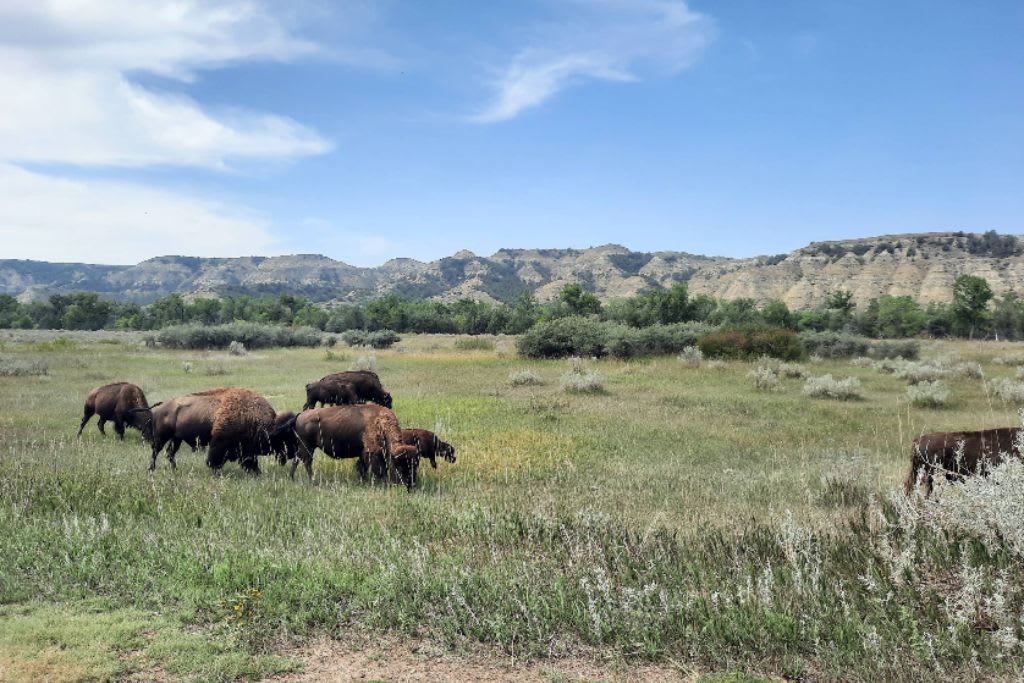
Grasslands are open landscapes of grasses and form a vital part of global biomes and Earth landscapes. These landscapes are among the most extensive and ecologically important terrestrial ecosystems on Earth. Grasslands cover roughly 20 to 40 percent of the planet’s land surface, excluding Antarctica, and occur across multiple continents in both tropical and temperate regions.
The grassland ecosystem thrives where annual precipitation is too low to support forests but sufficient for dominant grasses and other herbaceous vegetation. Shaped by natural processes such as fire maintenance, grazing pressure, drought conditions, and freezing temperatures, grasslands support biodiverse habitats that are species rich and deeply connected to both wildlife and human activity. From the African savannas and North American prairies to Eurasian steppes and Australian grasslands, these ecosystems play a crucial role in biodiversity, carbon storage, and food production.
What Is a Grassland Ecosystem?
A grassland ecosystem is a type of terrestrial ecosystem characterized by continuous grass cover and very limited tree growth. Grasses dominate the landscape, often accompanied by sedges, rushes, and a variety of legume plants such as clover herbs. Woody plants and shrub vegetation remain sparse due to low or seasonal rainfall, frequent fires, and sustained grazing by animals.
Grasslands are generally open, continuous, and fairly flat areas of nature. A few trees may occur along rivers or streams, but most grasslands lack dense tree cover. The limited rainfall is the primary factor that prevents forest development. Grasslands typically receive between 500 and 950 mm of rain per year, which is more than deserts but far less than tropical forests.
Key Characteristics of Grasslands
Grasslands across the world share several defining characteristics regardless of their location.
- Dominance of grasses, sedges, and herbaceous vegetation
- Minimal shrub vegetation and very few trees
- Annual precipitation usually between 500 and 950 mm
- Strong influence of grazing pressure and fire maintenance
- Soils that are deep, fertile, and rich in organic matter
- Extreme seasonal temperatures in many regions
Grass size varies widely. Some grasses grow over 2.1 meters tall, with roots extending up to 1.8 meters deep. Short grasses may grow only 20 to 25 cm tall, with roots reaching about 1 meter into the soil. The height of grass directly correlates with the amount of rainfall received.
Grasses die back to their roots annually. Soil and sod protect the roots and new buds from winter cold and dry conditions, allowing grasslands to recover quickly after harsh seasons.
Types of Grasslands
Grasslands are broadly classified based on climate, geography, and vegetation structure.
1. Tropical Grasslands (Savannas)
Tropical grasslands, commonly called savannas, occur near the equator and experience warm temperatures throughout the year. These grasslands have distinct wet and dry seasons and are characterized by tall grasses with scattered trees such as acacias.
Notable examples include the Serengeti in Africa and savanna regions of South America and Australia. Fire maintenance and grazing by large herbivores prevent forests from forming, keeping the ecosystem open and productive.
2. Temperate Grasslands
Temperate grasslands are found in mid-latitude regions and experience strong seasonal temperature variation.
Major temperate grasslands include:
- Prairies of North America
- Pampas of South America
- Steppes of Eurasia
- Veld of southern Africa
Temperate grasslands have cold winters, warm summers, and moderate rainfall. These regions are among the most fertile agricultural grasslands in the world due to their deep, nutrient-rich soils.
3. Montane and Semi-Natural Grasslands
Montane grasslands occur at high altitudes, while semi-natural grasslands are shaped by centuries of human use. These include hay meadows maintained through traditional mowing and centuries grazing. Such grasslands are often pesticide free and fertiliser free, making them exceptionally species rich.
In India, alpine meadows in the Himalayas and grasslands of the Deccan Plateau represent smaller but ecologically significant grassland systems.
4. Climate and Global Distribution
Grasslands develop in semi-arid to sub-humid climates with clear seasonal patterns. Average temperatures range from about −20°C in winter to 30°C in summer. Tropical grasslands remain warm year-round, while temperate grasslands experience freezing temperatures in winter.
Grasslands are typically located between temperate forests at higher latitudes and deserts at subtropical latitudes. Too little rainfall favors deserts, while excessive rainfall allows forests to dominate. Grasslands exist precisely in the middle of this climatic balance.
Vegetation in Grasslands
Grassland vegetation consists mainly of perennial grasses, sedges, rushes, and legume plants. Common grasses include buffalo grass, Bermuda grass, and fescue. Legumes such as clovers enrich soil nitrogen, supporting long-term soil fertility.
A defining feature of grasslands is their extensive root systems. In many grasslands, 60 to 80 percent of plant biomass and carbon storage exists below ground. This makes grasslands highly effective at carbon sequestration and soil stabilization.
Fauna of Grasslands
Grasslands support complex food webs and diverse animal communities.
Primary Consumers
Herbivores such as bison, zebras, antelopes, deer, rabbits, and insects feed on grasses and transfer energy through the ecosystem.
Secondary Consumers
Carnivores including foxes, wolves, snakes, hawks, and larger predators regulate herbivore populations.
Decomposers
Bacteria, fungi, and insects recycle nutrients and maintain soil health.
Grasslands are particularly important for bird species, many of which rely exclusively on open habitats for breeding and migration.
Grasslands as Biodiverse Habitats for Birds
Grasslands are critical breeding and migration habitats for many bird species. In the United States, battlefield parks and protected grasslands play an unexpected but vital conservation role.
Programs such as the Harpers Ferry Grassland Bird Survey monitor grassland birds at Harpers Ferry National Historical Park. This survey is part of the National Capital Inventory and Monitoring Network under the Natural Resource Stewardship and Science Directorate. Monitoring has been conducted for over fifteen years and helps scientists understand how park ecosystems are changing.
A 2022 study by the University of Delaware examined grassland bird species at Harpers Ferry and identified factors influencing their breeding success. Species such as the eastern meadowlark and grasshopper sparrow depend on well-managed grasslands to survive and reproduce.
Initiatives like Battling to Save Battlefield Birds involve sites such as Antietam, Harpers Ferry, Manassas, and Monocacy National Battlefield Parks. Research using eight years of monitoring data has shown that farming practices and grassland management directly affect bird survival and reproduction.
These studies demonstrate how agricultural grasslands and semi-natural systems can support wildlife when managed responsibly.
Ecosystem Functions of Grasslands
Grasslands perform essential ecological functions.
- Drive energy flow through food chains
- Cycle nutrients such as nitrogen and carbon
- Support ecological succession
- Maintain ecosystem balance through grazing and fire
- Store nearly 20 percent of global soil carbon
By reducing mineral leaching and improving soil structure, grasslands maintain long-term land productivity.
Economic Importance of Grasslands
Grasslands support human societies worldwide.
- Provide grazing land for livestock grazing
- Supply fodder for over 1.5 billion cattle globally
- Support dairy, meat, wool, and leather industries
- Enable tourism in regions like the Serengeti
- Protect agricultural soils from erosion
Agricultural grasslands remain central to global food systems and rural economies.
Threats to Grasslands
Despite their importance, nearly 70 percent of the world’s original grasslands have been altered or destroyed.
Major threats include:
- Conversion to croplands
- Overgrazing and soil degradation
- Urban expansion
- Invasive species
- Climate change
Loss of grasslands releases stored carbon and reduces biodiversity at a global scale.
Conservation and Sustainable Management
Grassland conservation focuses on balancing human use with natural processes.
Effective strategies include:
- Rotational grazing
- Controlled burning
- Rewilding native species
- Protection of natural grasslands
- Sustainable agricultural practices
International initiatives such as the UN Decade on Ecosystem Restoration recognize grasslands as biodiversity banks equal in importance to forests.
Conclusion
Grasslands are not empty or simple landscapes. They are dynamic, productive, and essential ecosystems that support life across the planet. As part of global biomes and Earth landscapes, grasslands regulate climate, sustain wildlife, and support human economies. Whether natural grasslands shaped by climate or semi-natural hay meadows maintained through traditional practices, their conservation is critical for the future of biodiversity and food security.
Protecting grasslands means protecting one of Earth’s most valuable and underestimated ecosystems.
Frequently Asked Questions (FAQs) About Grasslands
Q 1. What is a grassland ecosystem?
A grassland ecosystem is a type of terrestrial ecosystem dominated by grasses and other herbaceous vegetation, with very few trees or shrubs. Grasslands develop in regions where annual precipitation is not enough to support forests but sufficient for grasses to grow. Fire, grazing pressure, drought conditions, and freezing temperatures play a key role in maintaining these open landscapes.
Q 2. Why are grasslands dominated by grasses and not trees?
Grasslands receive moderate rainfall, usually between 500 and 950 mm per year, which limits tree growth. Frequent natural fires, continuous livestock grazing, and strong winds further prevent trees from establishing. As a result, dominant grasses, sedges, rushes, and legume plants such as clover herbs outcompete woody vegetation.
Q 3. What are the main types of grasslands found worldwide?
Globally, grasslands are classified into tropical grasslands or savannas, temperate grasslands such as prairies and steppes, and montane or high-altitude grasslands. Tropical grasslands experience wet and dry seasons, temperate grasslands have cold winters and warm summers, while montane grasslands occur at higher elevations with cooler climates.
Q 4. Are grasslands natural ecosystems or created by humans?
Most grasslands are natural grasslands shaped by climate and long-term natural processes. However, some grasslands are semi natural and have been maintained through centuries grazing, traditional mowing, or controlled burning. Agricultural grasslands are also created by humans for fodder and livestock grazing, but they differ ecologically from natural systems.
Q 5. How do grasslands support biodiversity?
Grasslands are biodiverse habitats that support a wide range of plant and animal species. They provide feeding and breeding grounds for herbivores, predators, insects, and birds. Many grasslands are species rich due to their open structure, seasonal variation, and absence of dense tree cover, which allows sunlight to reach ground-level vegetation.
Q 6. Why are grasslands important for birds?
Grasslands provide essential nesting, breeding, and migration habitats for many bird species. Studies from protected grasslands and open landscapes, including battlefield parks in North America, show that grassland management directly affects bird survival and reproduction. Open grasslands offer safety, visibility, and abundant food resources for ground-nesting birds.
Q 7. How do grasslands store carbon?
Unlike forests, grasslands store most of their carbon below ground. Deep root systems of grasses hold 60 to 80 percent of biomass underground, making grasslands highly effective at long-term carbon storage. Globally, grasslands store nearly 20 percent of the world’s soil carbon, playing a major role in climate regulation.
Q 8. Are grasslands found in mountainous regions?
Yes, grasslands also occur at high altitudes as montane or alpine meadows. In the Indian Himalayas, Dayara Bugyal and Bedni Bugyal are examples of high-altitude grasslands where herbaceous vegetation dominates due to cold temperatures, short growing seasons, and limited tree growth.
Q 9. What threatens grasslands globally?
Grasslands face threats from human activity such as land conversion for agriculture, overgrazing, urban expansion, invasive species, and climate change. Mismanagement can lead to soil erosion, loss of biodiversity, and release of stored carbon into the atmosphere.
Q 10. How can grasslands be conserved?
Grassland conservation focuses on maintaining natural processes while allowing sustainable use. Practices such as rotational grazing, controlled fire management, protection of natural grasslands, and preservation of pesticide free and fertiliser free hay meadows help maintain grassland health. Long-term monitoring and science-based management are essential for protecting these ecosystems.
About the Creator
Mountains Curve
I’m a passionate traveler with an insatiable curiosity for exploring new corners of the world. Beyond my love for adventure, I find joy in DIY crafts, cooking, planting, spending time in forests, and diving into anything new to learn.
Keep reading
More stories from Mountains Curve and writers in Earth and other communities.
An Ultimate Guide to Valley of Flowers Trek, Uttarakhand, India
The Valley of Flowers National Park is a UNESCO World Heritage site nestled high in the Western Himalayas of Uttarakhand, India. Renowned for its sweeping meadows of endemic alpine flowers, the valley bursts into color each monsoon, carpeted by species such as blue poppies, primulas, marigolds, and anemones.
By Mountains Curve8 months ago in Earth
The Problem with Invasive Plants: Identification and Responsible Removal
This scenario plays out in gardens across the continent. Many invasive plants started as intentional garden introductions, valued for their beauty, vigor, and ease of growth. Those same qualities—rapid spread, adaptability, and resilience—make them ecological threats when they escape cultivation.
By Emma Wallacea day ago in Earth


Comments
There are no comments for this story
Be the first to respond and start the conversation.