
How to Fix High Ammonia in a Fish Tank (Emergency Steps That Actually Work)
Exactly what to do when ammonia shows up—before your fish suffocate or burn to death

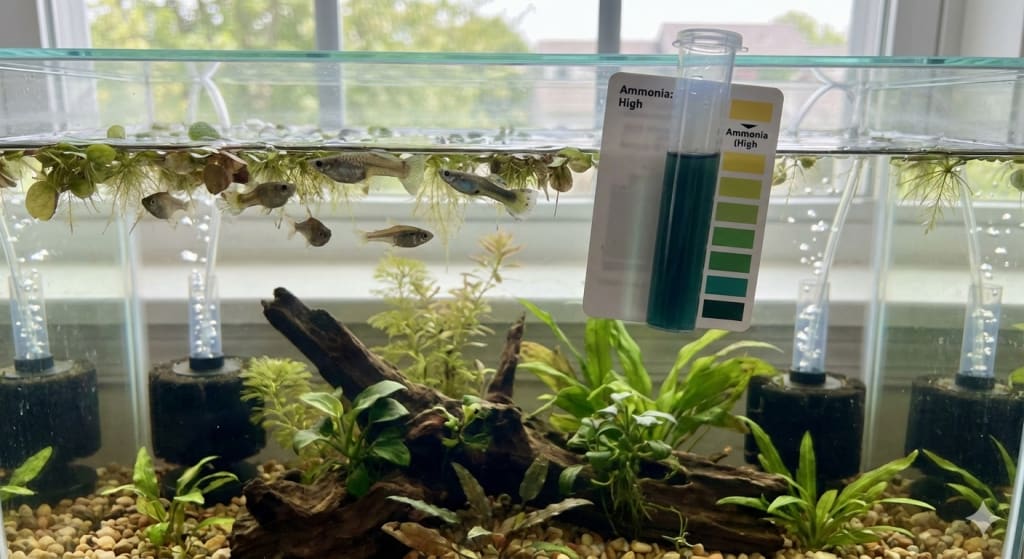
You Just Tested Your Water. Ammonia Is Above Zero. Now What?
Any ammonia reading above 0 ppm is an emergency. Not a warning. Not a minor issue. An active threat to every fish in your tank.
Ammonia is invisible. Your water might look crystal clear. Your fish might still be swimming. But if that test strip or liquid kit shows any ammonia at all, your fish are being poisoned right now.
Here's the good news: most ammonia spikes are fixable if you act immediately. You don't need to panic, but you do need to move fast and follow the steps in order. This guide will walk you through exactly what to do, what not to do, and why each step matters.
What High Ammonia Actually Means ?
Ammonia is fish waste in its most toxic form. It comes from uneaten food, decaying plants, dead fish, and most of all, from fish breathing and excreting.
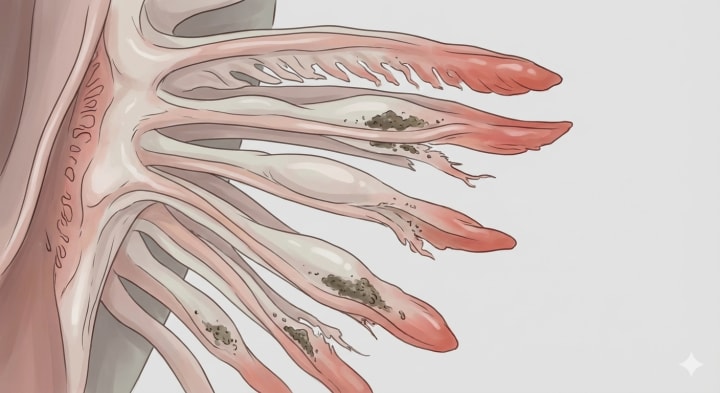
When ammonia builds up in water, it burns fish gills. Think of it like trying to breathe chlorine gas. The tissue gets damaged. Oxygen uptake fails. Fish suffocate even though there's oxygen in the water.
Clear water means absolutely nothing. Ammonia is completely invisible. You can have sparkling, pristine-looking water and still have lethal ammonia levels killing your fish from the inside out.
Ammonia spikes happen because of:
- New tank syndrome – Your filter bacteria haven't established yet. There's nothing converting ammonia into safer compounds.
- Overfeeding – Excess food rots and releases ammonia faster than bacteria can process it.
- Overstocking – Too many fish produce more waste than your bacterial colony can handle.
- Filter crashes – Medication, chlorine, or improper cleaning kills your beneficial bacteria. Suddenly there's no biological filtration.
The nitrogen cycle is supposed to handle ammonia. Beneficial bacteria convert it to nitrite, then to nitrate. But if that cycle isn't established or gets disrupted, ammonia accumulates fast.
Ammonia Danger Levels (Non-Negotiable Numbers)

There is no safe level of ammonia except zero. Here's what the numbers mean:
- 0 ppm → Safe. This is the only acceptable reading.
- 0.25 ppm → Stress and gill damage begin. Fish may appear normal but are being harmed.
- 0.5 ppm → Emergency. Immediate action required. Tissue damage accelerates.
- 1.0+ ppm → Potentially fatal within hours, especially for sensitive species.
Some fish are tougher than others. Some can survive brief exposure to low ammonia. But there is no threshold where ammonia is harmless. Any amount causes cumulative damage. The longer fish are exposed, the worse the outcome.
Do not wait to see if levels drop on their own. They won't. Ammonia doesn't evaporate. It doesn't magically disappear. It must be physically removed or converted by bacteria.
🚨 EMERGENCY ACTION PLAN (Follow in Order)
If your test shows any ammonia, start here. Do not skip steps. Do not wait.

Step 1: Stop Feeding Immediately
Stop all food right now. No exceptions.
Every bit of food that enters the tank adds to ammonia load. Uneaten food decays. Even food that gets eaten produces waste. Your fish can survive days or even weeks without food. They cannot survive ammonia.
Feeding will make the problem worse, not better. Do not feed until ammonia has been at 0 ppm for at least 24 hours.
Step 2: Perform a Large Water Change (40–50%)
This is the single most effective emergency action you can take. Water changes physically remove ammonia from the tank.
Here's how to do it safely:
- Remove 40–50% of the water. Use a gravel vacuum if possible to pull waste from the substrate.
- Match the temperature of the new water to the tank temperature. Use a thermometer. Cold or hot water shocks fish.
- Treat new water with a dechlorinator before adding it to the tank. Chlorine kills beneficial bacteria.
- Add the new water slowly. Pour it onto a plate or decoration to avoid blasting fish with current.
A 50% water change will cut ammonia levels in half instantly. If ammonia was at 1.0 ppm, it's now at 0.5 ppm. Still not safe, but much less deadly.
Do not worry about "shocking" fish with water changes. Ammonia is more dangerous than the temporary stress of a water change.
Step 3: Increase Oxygen Right Now
Ammonia-damaged gills cannot absorb oxygen efficiently. Your fish are suffocating even if there's oxygen in the water.

Increase surface agitation immediately:
- Point your filter output toward the water surface to create ripples and movement.
- Add an air stone or air pump if you have one. More surface disturbance = more oxygen exchange.
- Remove any decorations or floating plants blocking the surface.
Higher oxygen levels give fish a better chance of surviving ammonia exposure. This won't fix the ammonia problem, but it buys time and reduces suffering.
Step 4: Add Beneficial Bacteria (Support, Not Magic)
Bottled beneficial bacteria products can help, but they are not a replacement for water changes.
Products like Seachem Stability, Tetra SafeStart, or API Quick Start contain live nitrifying bacteria. They help speed up the nitrogen cycle by adding bacteria that convert ammonia to nitrite and nitrite to nitrate.
Add the recommended dose to your filter or directly into the tank. Follow the bottle instructions.
Important: Bottled bacteria is support, not a cure. It takes time for bacteria to colonize and start processing ammonia. Water changes remove ammonia instantly. Do both, but prioritize water changes.
Step 5: Test Again in 6–12 Hours
After completing steps 1–4, test your water again in 6 to 12 hours.
What you want to see:
- Ammonia dropping (from 1.0 ppm to 0.5 ppm, or 0.5 ppm to 0.25 ppm).
- Fish behavior improving (less gasping, more activity).
If ammonia is still above 0.25 ppm, repeat the water change. You may need to do daily or even twice-daily water changes until ammonia stabilizes at zero.
Test daily until ammonia has been at 0 ppm for three consecutive days.
If Ammonia Keeps Coming Back (Root Cause Breakdown)
If you're doing water changes but ammonia keeps spiking, you need to fix the underlying cause.

Uncycled Tank
Why it causes ammonia: New tanks have no beneficial bacteria. There's nothing converting ammonia to less toxic compounds.
How to fix it: You're in a fish-in cycle. This is damage control, not ideal, but it's where you are. Continue daily water changes. Dose beneficial bacteria daily. Test ammonia and nitrite every day. The cycle can take 4–6 weeks to fully establish. Do not add more fish.
Overfeeding
Why it causes ammonia: Excess food decays on the substrate. Rotting food produces massive amounts of ammonia.
How to fix it: Feed only what fish can consume in 2–3 minutes, once per day. Remove any uneaten food immediately with a net or siphon. Less food = less waste = less ammonia.
Overstocking
Why it causes ammonia: Too many fish produce more waste than your bacterial colony can process, even in a cycled tank.
How to fix it: Rehome fish or upgrade to a larger tank. There's no workaround for overstocking. The bioload is simply too high. As a rough guideline, most community fish need 1 gallon per inch of adult fish size, minimum.
Dead Fish or Decaying Matter
Why it causes ammonia: A dead fish, snail, or rotting plant releases an enormous ammonia spike as it decomposes.
How to fix it: Check every corner, behind decorations, under plants. Remove any dead fish, uneaten food, or dying plant matter immediately. Do a large water change after removal.
Filter Media Cleaned Incorrectly
Why it causes ammonia: Rinsing filter media under tap water kills beneficial bacteria. So does replacing all media at once. Chlorine in tap water is bacteria's worst enemy.
How to fix it: Only rinse filter media in old tank water during water changes. Never use tap water. Never replace all media at once. If you accidentally killed your bacteria, treat it like an uncycled tank and restart the cycle.
Medication Killing Bacteria
Why it causes ammonia: Antibiotics and some other medications kill beneficial bacteria along with harmful bacteria. Your biological filtration collapses.
How to fix it: If you recently medicated, expect an ammonia spike. Increase water changes. Re-dose beneficial bacteria after treatment ends. Monitor closely.
Fish-In Cycle vs Fishless Cycle (Reality Check)
If you're dealing with ammonia in a tank with fish, you're doing a fish-in cycle. This is not ideal. It's damage control.
A fishless cycle is always safer. You add ammonia to an empty tank, grow bacteria, and only add fish once the cycle is complete. No fish suffer. No emergency water changes.
But if you already have fish and ammonia is present, you're committed to a fish-in cycle. Here's what that means:
- Daily testing for ammonia and nitrite.
- Frequent water changes (sometimes twice daily) to keep levels as low as possible.
- Dosing beneficial bacteria to speed up colonization.
- Patience. The cycle still takes 4–6 weeks. There are no shortcuts.
Fish-in cycling is stressful for fish. Some may not survive. But with diligent care, most will make it through.
Do not add more fish until ammonia and nitrite have both been at 0 ppm for at least two weeks straight.
WHAT YOU SHOULD NOT DO NEXT ?

Beginners often make these mistakes. Each one makes the problem worse, not better.
❌ Do NOT Add "Ammonia Detox" Chemicals as a Replacement for Water Changes
Products like API Ammo-Lock or Seachem Prime claim to detoxify ammonia. They bind ammonia temporarily, making it less toxic for 24–48 hours.
These products can help in an emergency, but they do not remove ammonia. They only buy time. The ammonia is still in the water. Test kits will still show ammonia present.
Why this is bad: Relying on detox chemicals instead of water changes leaves toxic ammonia in the system. Bacteria still need to process it. Water changes physically remove it. Always prioritize water changes.
❌ Do NOT Add More Fish "to Balance the Tank"
Some outdated advice suggests adding more fish to "speed up the cycle" or "balance the bioload."
Why this is bad: More fish = more ammonia. You're adding fuel to a fire. Every additional fish increases waste production and worsens the spike. Never add fish during an ammonia crisis.
❌ Do NOT Deep-Clean Gravel or Rinse Filter Media in Tap Water
Beneficial bacteria live on surfaces: gravel, decorations, and especially filter media. Rinsing everything in tap water kills them.
Why this is bad: Chlorine and chloramine in tap water destroy beneficial bacteria. You're wiping out the only thing that can process ammonia long-term. Only rinse media in old tank water. Never replace all media at once.
❌ Do NOT Trust Clear Water Over Test Results
Crystal-clear water with high ammonia is extremely common. Ammonia is invisible.
Why this is bad: You'll assume everything is fine while fish are dying slowly. Always test. Visual clarity means nothing.
❌ Do NOT Wait "a Few Days to See What Happens"
Ammonia does not fix itself. It does not evaporate. It will not drop on its own unless bacteria are present to convert it or you remove it with water changes.
Why this is bad: Every hour of exposure causes cumulative gill damage. Waiting turns a survivable crisis into a fatal one. Act immediately.
❌ Do NOT Chase pH While Ammonia Is Present
Some beginners try to adjust pH during an ammonia spike, thinking it will help.
Why this is bad: pH swings stress fish more than stable (but imperfect) pH. Focus on removing ammonia first. Stabilize pH later, once ammonia is gone. The exception: higher pH makes ammonia more toxic, but crashing pH with chemicals during a crisis causes more harm than good.
How Long Until Ammonia Reaches Zero?
There is no universal timeline. It depends on your tank's bacterial colonization, bioload, and how aggressively you manage water changes.
In an uncycled tank (fish-in cycle):
- Expect 4–6 weeks for ammonia to reach and stay at 0 ppm.
- You'll see ammonia drop first, then nitrite spike, then nitrite drop as nitrate rises.
- This is normal. Keep testing. Keep changing water.
In a cycled tank with a temporary spike:
- Ammonia should drop within 24–48 hours if bacteria are healthy.
- One large water change plus bacterial support is often enough.
What improvement looks like:
- Ammonia dropping from 1.0 ppm to 0.5 ppm to 0.25 ppm over days.
- Fish gasping less, swimming more actively, resuming normal behavior.
Stability matters more than speed. A slow, steady drop with consistent water changes is better than erratic numbers from overreacting.
Do not rush. Do not add chemicals to "speed things up." Let bacteria colonize naturally while protecting fish with water changes.
Preventing Future Ammonia Spikes
Once ammonia is under control, prevention is your new priority. Routine maintenance stops crises before they start.
Proper Feeding Rules
Feed only what fish can consume in 2–3 minutes, once per day. Most fish can skip a day or two without harm. Overfeeding is the leading cause of ammonia in established tanks.
Remove uneaten food immediately. If food hits the substrate, you've fed too much.
Stocking Discipline
Research adult fish size before buying. Follow the 1 gallon per inch guideline as a starting point (more for messy fish like goldfish).
Do not add fish impulsively. Every new fish increases bioload. Your bacteria need time to catch up. Add fish slowly, in small groups, weeks apart.
Filter Care
Rinse mechanical filter media (sponges, pads) in old tank water during water changes. Never replace biological media unless it's falling apart.
Run your filter 24/7. Turning it off, even for a few hours, can kill beneficial bacteria.
Weekly Testing
Test ammonia and nitrite weekly, even in established tanks. Catch problems early before they become emergencies.
Ammonia should always be 0 ppm. Nitrite should always be 0 ppm. Nitrate will rise slowly (that's normal). Water changes keep nitrate in check.
Water Change Schedule
Change 20–30% of water weekly. This dilutes nitrate, replenishes minerals, and removes dissolved organics.
Consistent water changes prevent the gradual buildup of waste that leads to bacterial crashes and ammonia spikes.
FAQs
Can fish recover from ammonia poisoning?
Yes, if caught early. Gill damage can heal, but severe or prolonged exposure causes permanent harm or death. The faster you act, the better the outcome.
How fast does ammonia kill fish?
It depends on concentration and species. At 1.0+ ppm, sensitive fish can die within hours. At 0.5 ppm, death may take days. At 0.25 ppm, fish may survive but suffer long-term damage.
Will plants remove ammonia?
Yes, but not fast enough to matter in an emergency. Heavily planted tanks consume some ammonia, but plants cannot replace water changes or bacterial filtration during a spike.
Do I need to replace my filter?
No. Unless the filter is mechanically broken, the equipment is fine. The issue is bacterial colonization, not the filter itself. Keep the filter running and focus on building bacteria.
Should I use salt?
Aquarium salt does not remove ammonia. It can reduce stress and help with gill function in some species, but it's not a solution. Prioritize water changes. If you use salt, dose carefully (1 tablespoon per 5 gallons for freshwater fish) and only if your species tolerate it.
When is it safe to feed again?
Resume feeding once ammonia has been at 0 ppm for 24 hours. Start with small amounts. Monitor ammonia daily for the next week to ensure levels stay at zero.
Control Beats Luck
Ammonia deaths are not random. They're not bad luck. They're the result of preventable mistakes: uncycled tanks, overfeeding, overstocking, or neglecting routine maintenance.
You don't need to guess. You need to test. You don't need to hope. You need to act.
If ammonia shows up, you now know exactly what to do: stop feeding, change water, increase oxygen, add bacteria, and test again. Fix the root cause. Prevent it from happening again.
Most fish survive ammonia spikes if you respond quickly and follow the steps. The ones who don't make it are almost always victims of delayed action or bad advice.
Test your water. Trust the numbers. Take control.
About the Creator
Arjun
Aquarium hobbyist sharing simple, real-world fixes for snail, shrimp, and plant problems. Clear guides, no fluff just practical tips to keep your tank healthy and thriving.
Exploring the Amazing World Beneath the Waves
Beneath the surface of the world’s oceans lies a vast and mysterious universe that few humans have truly experienced. Often described as Earth’s “final frontier,” the underwater world is filled with stunning landscapes, colorful creatures, and ecosystems that are both fragile and vital to life on our planet. From shallow coral reefs to the dark depths of the ocean floor, this hidden realm continues to amaze scientists, explorers, and nature lovers alike.
By Irshad Abbasi about 19 hours ago in Earth



Comments
There are no comments for this story
Be the first to respond and start the conversation.