

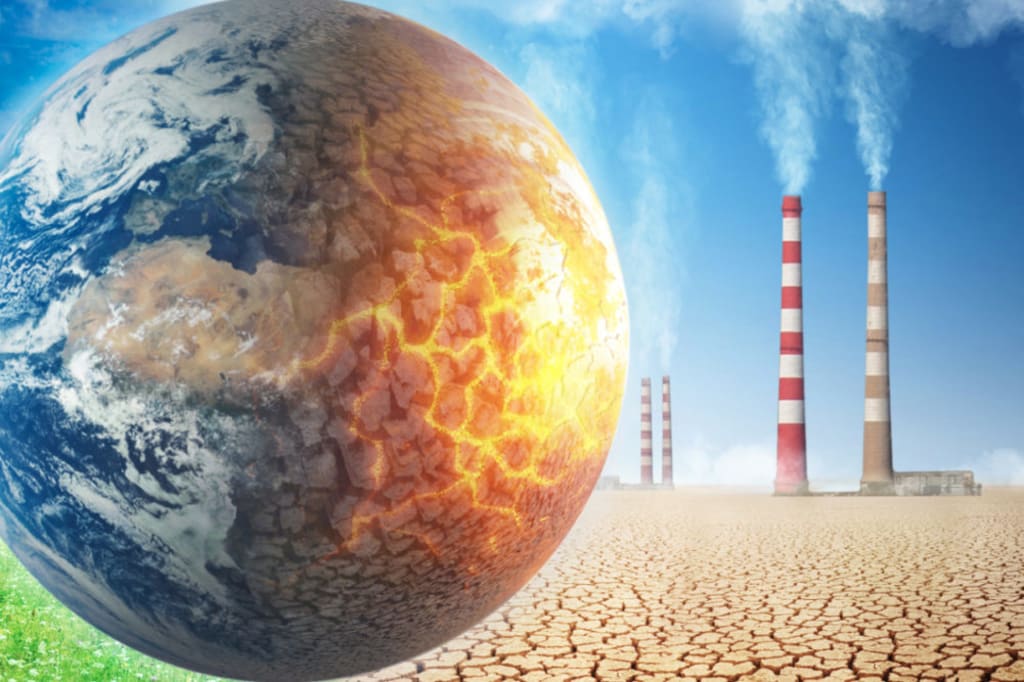
Global climate change, also known as global warming, is a significant challenge that the world is currently facing. Climate change refers to the long-term shifts in temperature, precipitation, and weather patterns of the planet, and is largely driven by human activity, such as the burning of fossil fuels and deforestation. The effects of climate change are being felt across the world and are causing environmental, economic, and social impacts.
One of the most significant impacts of climate change is rising temperatures. According to NASA, the planet's average surface temperature has risen by about 1.2 degrees Celsius (2.16 degrees Fahrenheit) since the late 19th century. This increase in temperature is causing melting ice caps, rising sea levels, and more frequent and severe heatwaves, which can lead to significant environmental impacts, such as coastal erosion, flooding, and the loss of ecosystems.
Another significant impact of climate change is the increase in extreme weather events. Droughts, heatwaves, hurricanes, and other natural disasters have been linked to climate change, and the frequency and severity of these events are increasing. These events can cause significant economic and social impacts, such as crop failures, infrastructure damage, and displacement of people.
Climate change is also affecting the world's oceans, leading to ocean acidification and ocean warming. Ocean acidification occurs when the ocean absorbs carbon dioxide from the atmosphere, causing the ocean's pH levels to drop. This can have significant impacts on marine ecosystems, including coral reefs, which are particularly vulnerable to changes in pH levels. Ocean warming can also have significant impacts on marine ecosystems, including the loss of sea ice and the migration of fish and other marine species.
One of the most significant challenges in addressing climate change is reducing greenhouse gas emissions. Greenhouse gases, such as carbon dioxide, methane, and nitrous oxide, trap heat in the atmosphere, leading to global warming. The burning of fossil fuels, deforestation, and agricultural practices are all significant sources of greenhouse gas emissions.
Governments, businesses, and individuals can all take steps to reduce greenhouse gas emissions and address climate change. One of the most significant steps that governments can take is to implement policies and regulations that encourage the use of renewable energy, such as wind and solar power, and discourage the use of fossil fuels. Businesses can also take steps to reduce their carbon footprint by improving energy efficiency, investing in renewable energy, and reducing waste.
Individuals can also take steps to reduce their carbon footprint, such as using public transportation, reducing energy consumption at home, and eating a more plant-based diet. Additionally, individuals can support policies and regulations that address climate change and encourage their elected representatives to take action.
Another important aspect of addressing climate change is adaptation. Even if greenhouse gas emissions were to be reduced to zero today, the effects of climate change would continue to be felt for decades to come. Therefore, it is essential to adapt to the impacts of climate change, such as rising sea levels and more frequent extreme weather events. Adaptation measures can include building sea walls and other protective infrastructure, developing drought-resistant crops, and investing in renewable energy and other sustainable technologies.
In conclusion, global climate change is a significant challenge that is affecting the world in numerous ways, from rising temperatures to more frequent and severe natural disasters. It is caused by human activity, particularly the burning of fossil fuels, and requires coordinated action at all levels to address it. By reducing greenhouse gas emissions, adapting to the impacts of climate change, and supporting policies and regulations that address climate change, we can work towards a more sustainable future for our planet.
About the Creator
Ahmar Naz Asim
As a story writer, my passion lies in crafting worlds that readers can escape to and characters they can connect with. landscape or a subtle exchange of dialogue between two characters,
Keep reading
More stories from Ahmar Naz Asim and writers in Earth and other communities.
Nature
Nature is an essential aspect of our world, providing us with the resources we need to live and thrive. It encompasses everything from the smallest insect to the largest mountain and has been an integral part of human life since the beginning of our existence. In this article, we will explore the beauty and significance of nature and why it is important to protect it for future generations.
By Ahmar Naz Asim 3 years ago in Earth
Trump Slams UK Deal to Hand Over Chagos Islands After Previously Backing It
If you thought politics couldn’t surprise you anymore, Donald Trump just proved otherwise. In a dramatic U-turn, the former U.S. president criticized the United Kingdom’s decision to transfer sovereignty of the Chagos Islands to Mauritius—a deal he had previously backed. What was once considered a solution to a decades-long dispute has now become a hot topic, sparking debates about strategy, diplomacy, and international trust.
By Muhammad Hassan2 days ago in Earth


Comments
There are no comments for this story
Be the first to respond and start the conversation.