
Trump Slams UK Deal to Hand Over Chagos Islands After Previously Backing It
From Support to Shock: How One Deal Turned Into a Diplomatic Firestorm

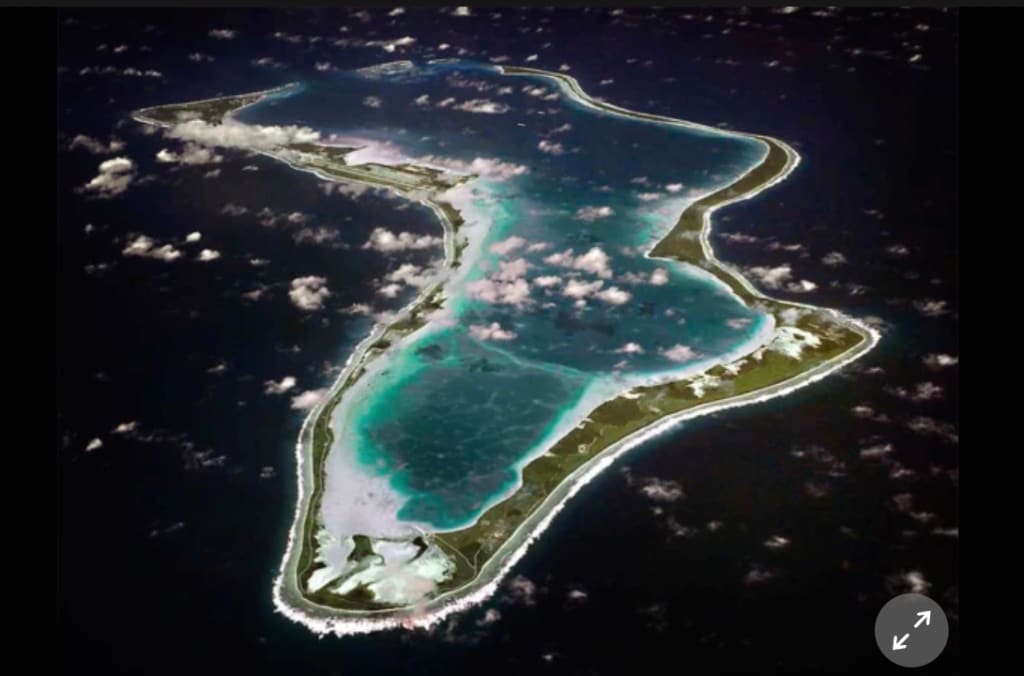
If you thought politics couldn’t surprise you anymore, Donald Trump just proved otherwise. In a dramatic U-turn, the former U.S. president criticized the United Kingdom’s decision to transfer sovereignty of the Chagos Islands to Mauritius—a deal he had previously backed. What was once considered a solution to a decades-long dispute has now become a hot topic, sparking debates about strategy, diplomacy, and international trust.
The Chagos Islands: Why They Matter
Let’s start with the basics. The Chagos Islands are a small but strategically important archipelago in the Indian Ocean. Back in 1965, Britain detached them from Mauritius just before the country gained independence. This move led to the forced removal of the islands’ original inhabitants, the Chagossians, to make way for a U.K.–U.S. military base at Diego Garcia.
Fast forward to 2025: the UK and Mauritius finally reached a historic agreement. The islands’ sovereignty would be returned to Mauritius, but Britain would retain operational control of Diego Garcia under a long-term lease—reportedly for 99 years. At the time, the deal seemed like a win-win: it solved legal issues, acknowledged Mauritius’s claim, and kept the U.S. military’s strategic interests intact.
Even Trump’s team had initially expressed support, viewing the arrangement as a way to secure the base while maintaining stability in the region. Everything seemed settled—until now.
From Cheers to Criticism: Trump’s Sudden U-Turn
In recent days, Trump slammed the deal, calling it “stupid” and “weak.” He warned that handing over sovereignty—even with the leaseback provisions—could threaten U.K. and U.S. strategic interests and allow rival powers like China and Russia to gain influence in the region.
“Shockingly, our ‘brilliant’ NATO Ally, the United Kingdom, is currently planning to give away the Island of Diego Garcia… FOR NO REASON WHATSOEVER,” Trump wrote on his social media platform. He even tied this issue to his earlier Greenland ambitions, implying that the U.S. needs to rethink how it secures critical territories.
This abrupt reversal has left diplomats scratching their heads. How does someone go from supporting a deal to calling it catastrophic? Analysts suggest it could be a mix of domestic political signaling and genuine concern over strategic leverage.
The UK Stands Firm
Unsurprisingly, the UK has not taken Trump’s criticism lightly. Officials have emphasized that the deal actually strengthens the long-term future of Diego Garcia, a cornerstone of Western military operations across the Middle East, South Asia, and East Africa.
“The UK will never compromise on our national security,” a government spokesperson said. Legal challenges had previously put the base’s future at risk, and the sovereignty transfer was necessary to ensure its smooth operation.
Responses within the UK political scene have been mixed. Some Conservatives echoed Trump’s worries, citing strategic vulnerabilities, while Labour Party leaders under Prime Minister Keir Starmer stressed that the deal resolves historical disputes and maintains military security.
Strategic Stakes: More Than Just Islands
This controversy isn’t just about geography—it’s about global power. Diego Garcia, the largest island in the Chagos archipelago, hosts one of the most critical U.K.–U.S. military bases in the world. From here, Western forces have projected power for decades, monitoring conflicts, supporting operations, and countering threats from global rivals.
Trump’s critics argue that his sudden condemnation is more about political theatrics than genuine strategy, especially given his focus on linking the issue to Greenland and other sovereignty claims. But supporters say the deal is risky, as it relinquishes control of a strategically important territory—even with lease protections in place.
The Human Side: Chagossians Speak
While world leaders argue, the original inhabitants of the Chagos Islands remain sidelined. The Chagossians were forcibly displaced in the 1960s and 1970s, and their fight to return home has spanned decades.
The sovereignty deal includes funds to support the Chagossian community, but many feel excluded from meaningful participation in the negotiations. For them, the story isn’t just about strategy or alliances—it’s about justice, identity, and a homeland they were forced to leave behind.
Testing the “Special Relationship”
Trump’s attack also puts the U.K.–U.S. “special relationship” under a microscope. Historically, the alliance has survived disagreements, but a public rebuke from a former U.S. president—especially one framed in starkly undiplomatic language—adds tension.
The big question now: can strategic partnerships withstand sudden political reversals, or is this the start of a new era where global alliances are tested by unpredictable leaders?
What’s Next?
Right now, the deal remains in place, and Diego Garcia continues to operate under its lease provisions. But Trump’s comments have reignited debate over the balance between diplomacy, military strategy, and historical justice.
As always, the story of the Chagos Islands reminds us that in geopolitics, nothing is permanent—alliances, agreements, and strategies are all subject to change, sometimes overnight.
The Chagos Islands saga is a reminder that even the most carefully negotiated deals can become political flashpoints. For the UK, Mauritius, the U.S., and the Chagossian people, the coming months will be crucial in shaping how history, strategy, and justice converge.
If you want, I can also add subheadings with emojis and a more “blog-friendly” flow to make it even more engaging for casual readers—like something you’d see on a top news blog.
Do you want me to do that?
About the Creator
Muhammad Hassan
Muhammad Hassan | Content writer with 2 years of experience crafting engaging articles on world news, current affairs, and trending topics. I simplify complex stories to keep readers informed and connected.
Keep reading
More stories from Muhammad Hassan and writers in Earth and other communities.
65% of Workers Are Interested in ‘Microshifting’ Their Schedules as an Alternative to the Strict 9-to-5
The traditional 9-to-5 workday has long been considered the standard, but recent research suggests that employees are seeking more flexibility than ever before. A striking 65% of workers report interest in ‘microshifting’ their schedules, a concept that allows them to adjust their work hours in smaller increments rather than sticking to a rigid daily routine. For many, this is more than just a scheduling preference — it’s a way to reclaim control over their time, reduce stress, and boost productivity.
By Muhammad Hassanabout 2 hours ago in Earth
At Least 22 Dead as Crane Collapses Onto Train in Thailand
Thailand has been plunged into mourning after a devastating accident in which a construction crane collapsed onto a moving passenger train, killing at least 22 people and injuring dozens more. The incident, described by officials as one of the deadliest infrastructure-related accidents in recent years, has raised urgent questions about construction safety, urban development, and oversight in the country.
By Aarif Lashari6 days ago in Earth



Comments
There are no comments for this story
Be the first to respond and start the conversation.