
European Animals Norway and Portugal
The wildlife of two European countries


Wildlife of Norway
Norway is a coastal Scandinavian country in northern Europe. The country has high mountains, lakes, tundras, rivers, wetlands, and a sea coast. Its territory extends north of the Arctic Circle.
Official National Animal

Moose
Official National Bird

White-throated dipper
Official National Horse
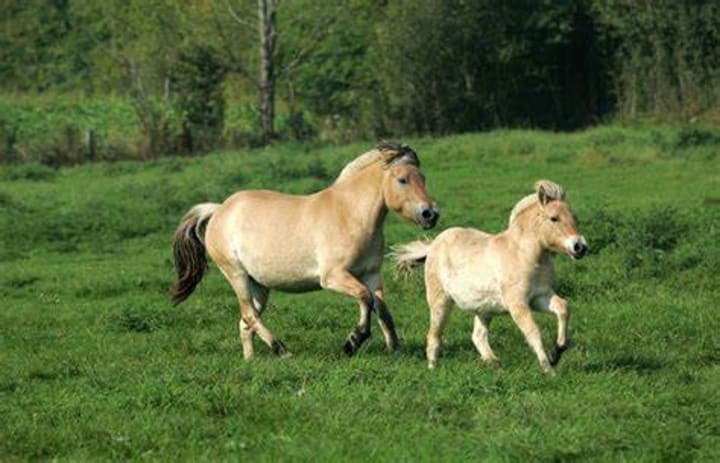
Fjord Horse
Svalbard is an archipelago midway between Norway and the North Pole in the Arctic Ocean. It is part of Norway and is an important breeding ground for seabirds. More polar bears live on the island than people. There are seven national parks and 23 nature preserves, and 60% is covered in glaciers.
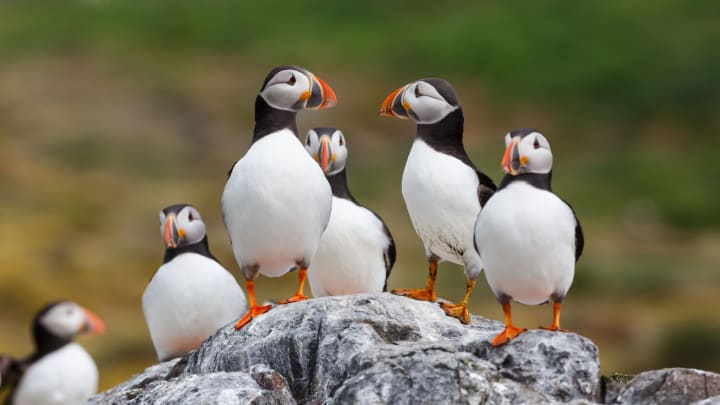
Atlantic puffins can be seen on the Vesteralen archipelago between early June and mid-August when the flock is here for the breeding season.
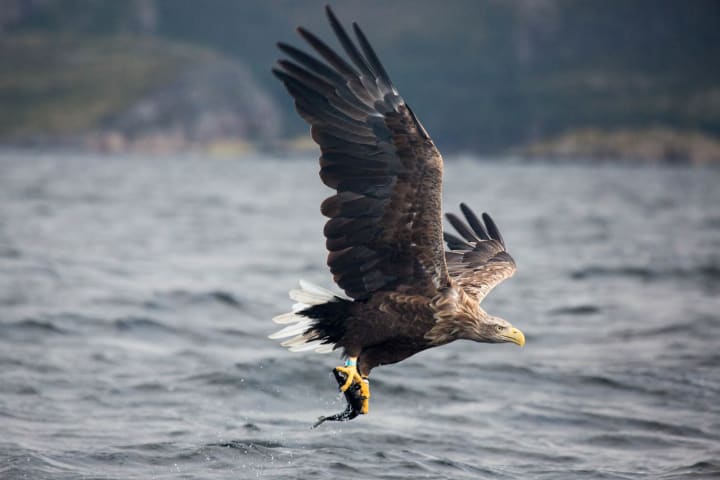
White-tailed eagles also make their home in Norway. They can be seen at the Gjesvaestappen Nature Reserve.
Mammals

Muskox can be seen in the northern regions. They have long, shaggy coats and stubby horns.

Reindeer are native to Norway. They live domesticated in Sami villages and the wild in Randone and Hardangervidda National Parks.

Eurasian lynx are the only big cats in the country. They are recognizable for the spike tufts of ear hair.
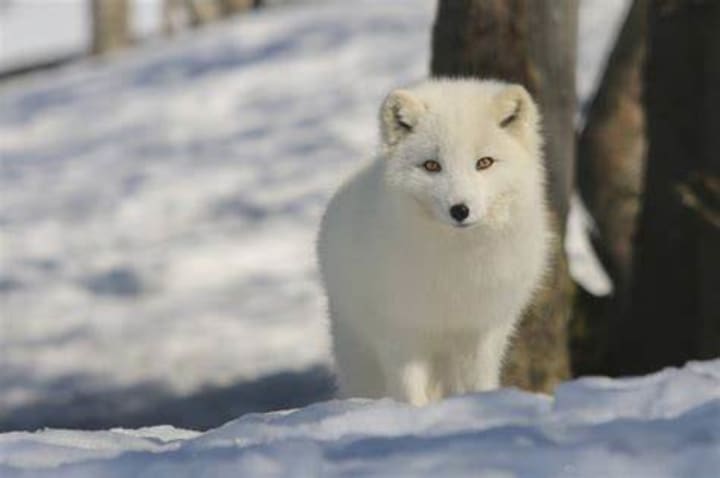
Arctic foxes are among the rarest animals in Norway. They have snowy white coats and golden eyes. They can be seen in Borgefjell, Longyearbyen in Svalbard, and Saltfjellet Svartisen National Parks.
Marine Mammals
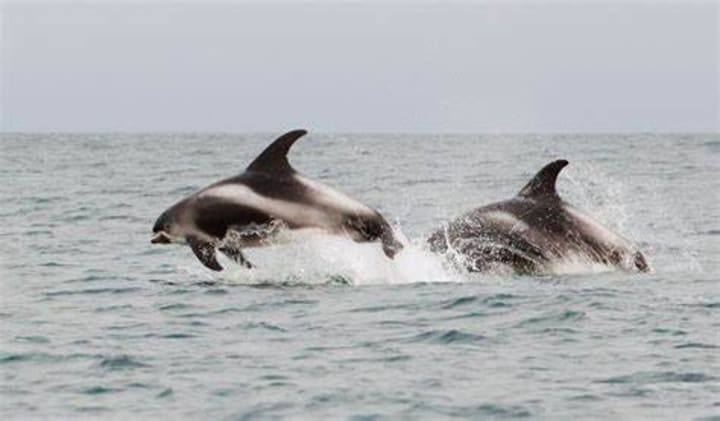
You can see dolphins and porpoises off the Norwegian coast.
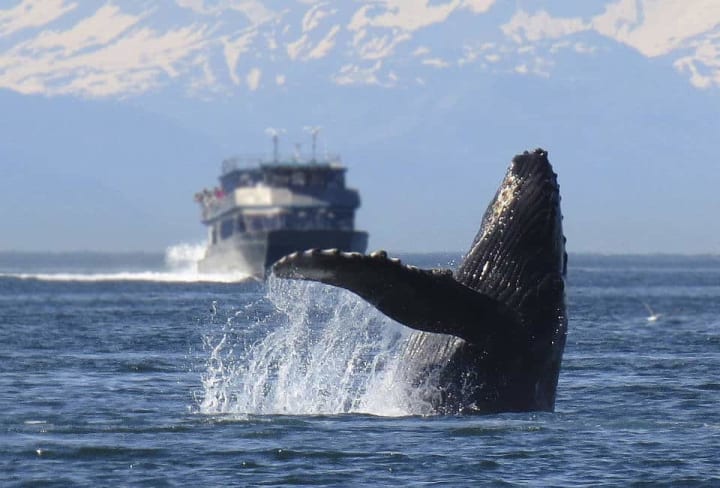
Whales can be seen between late May and mid-September.
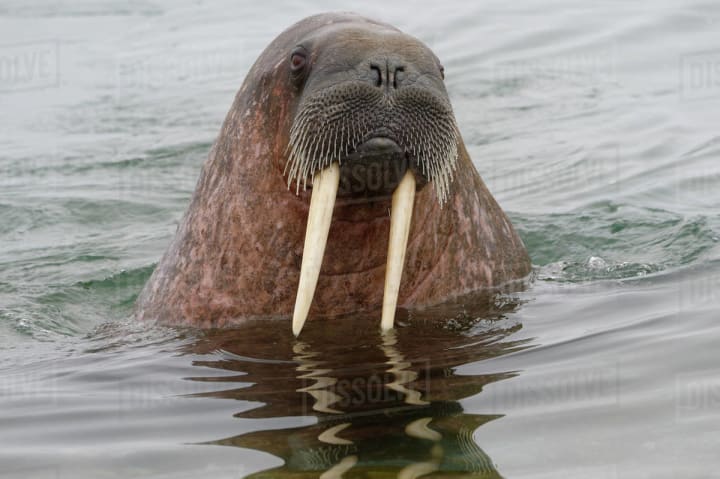
The largest animal in the country is the walrus with its big tusks.
The Gjesvaerstappan Islands are home to an estimated three million nesting birds all through the summertime. Among them are skuas, razorbills, gannets, kittiwakes, white-tailed eagles, and puffins.
Reptiles and Amphibians

There are six terrestrial reptiles and six amphibian species living in Norway. From time to time you can see leatherback sea turtles on coastal beaches.
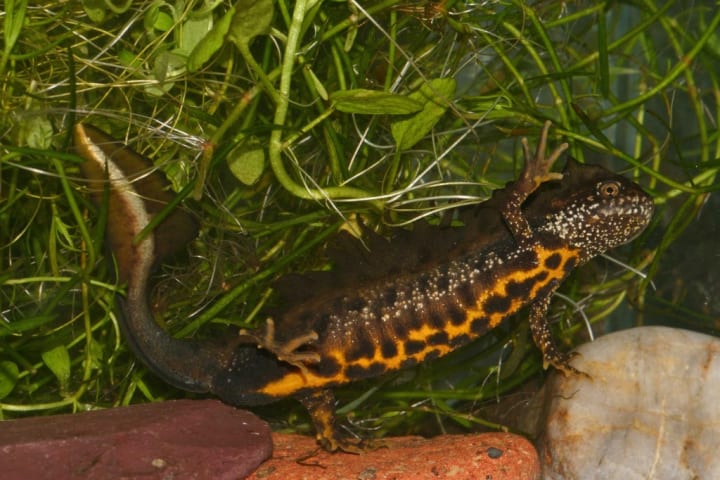
Northern crested newts also make their homes here.
Endangered Animals
Arctic Fox
Eurasian Otter
Pool Frogs
Lesser White-fronted Goose
Atlantic Puffin
Steppe Eagle
Wildlife of Portugal
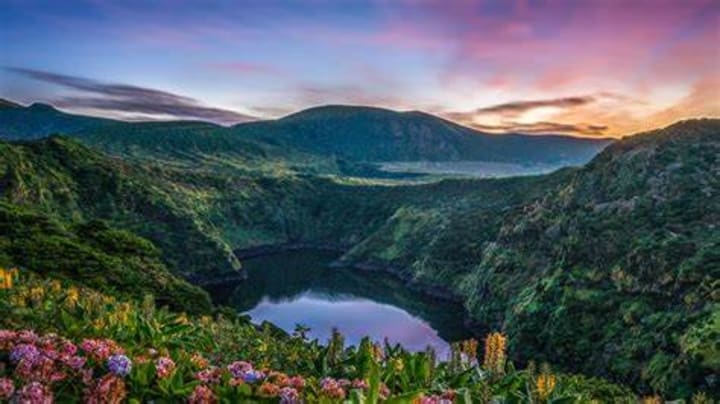
Located in the southwestern part of the continent, east to the Atlantic Ocean, Portugal is a European country that has the westernmost point on the mainland of Europe. It borders with Spain on the Iberian Peninsula. The country has more than 36 mammal species, 25 reptile species, and 19 amphibian species of wild animals that make their home here.
Native Animals
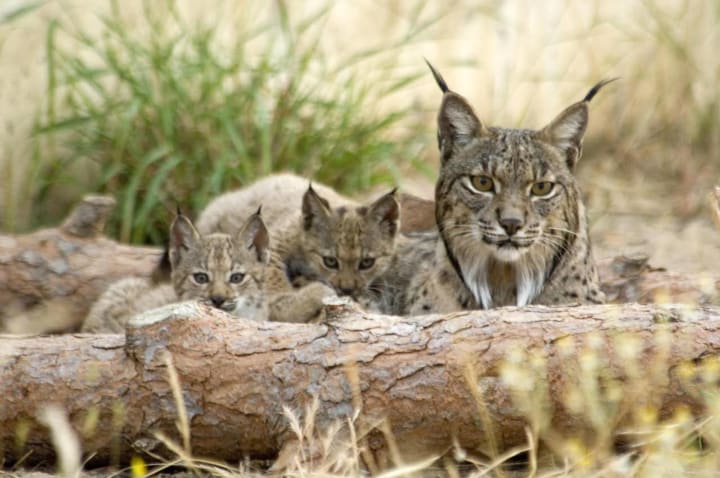
Iberian lynxes are a medium-sized species of wild cats endemic to the Iberian Peninsula.
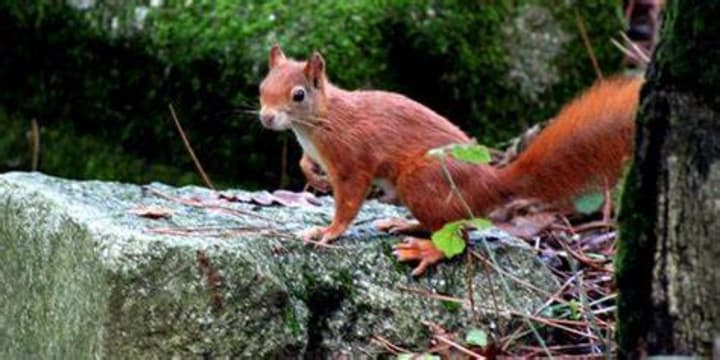
Red squirrels are a species of tree squirrels with a wide range from the Iberian Peninsula to eastern Asia.

Red foxes are the largest of true foxes and the most widespread carnivores on the planet.

European rabbits are a species of rabbits native to western Europe.

Common genets are a small species of viverrid native to Africa and introduced to southwestern Europe.
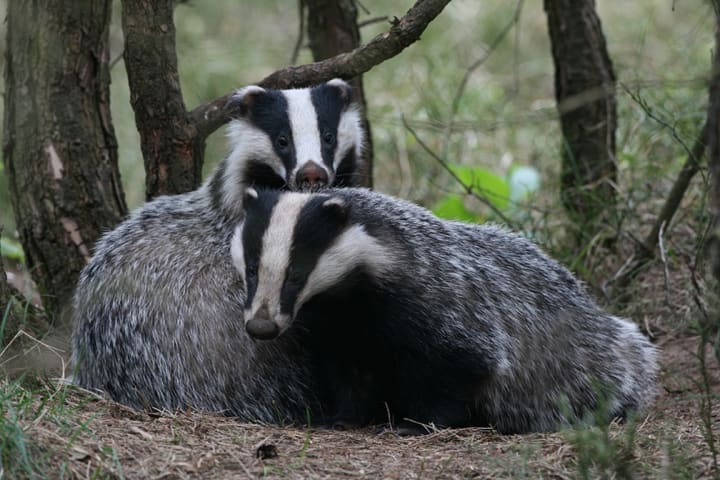
European badgers are a species of mustelid native to almost all of Europe and the Middle East.

European wildcats are a small species of wildcats native to much of Europe.
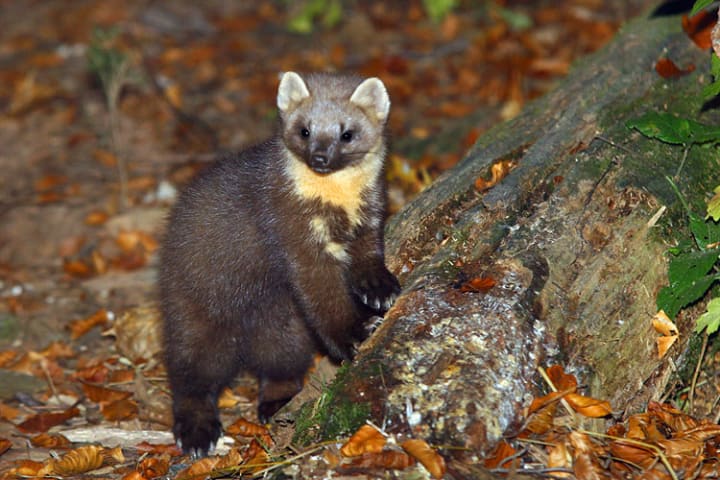
European pine martens are a species of mustelids native to much of Europe.
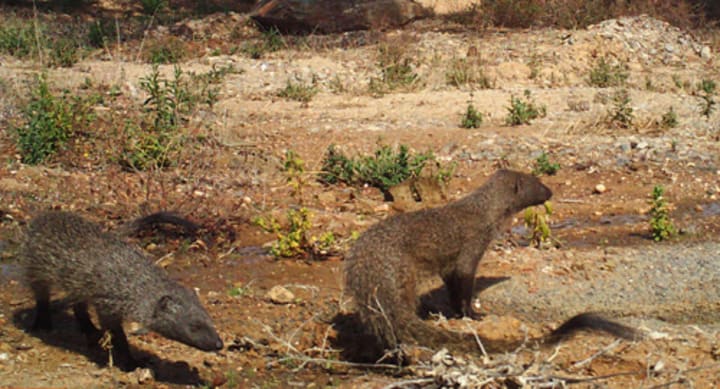
Egyptian mongooses are a species of mongoose native to the coastal Mediterranean Sea.
Birds
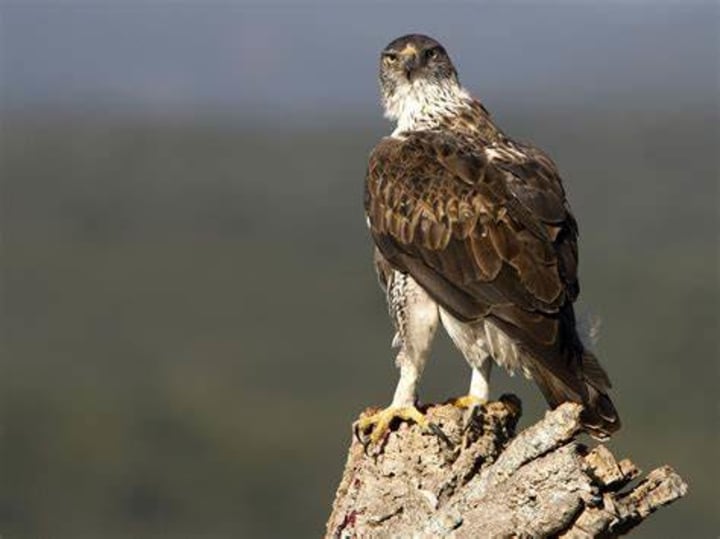
Bonelli’s eagles are a large species of birds of prey native to the Iberian Peninsula.
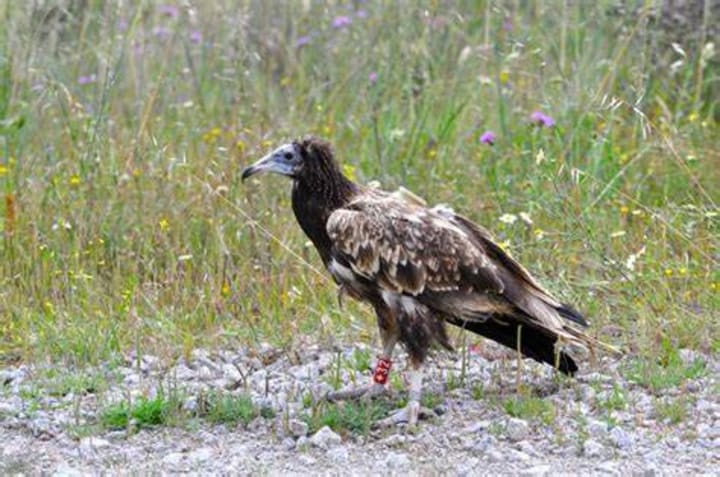
Egyptian vultures are a small species of Old World vultures native to Egypt and the Iberian Peninsula.
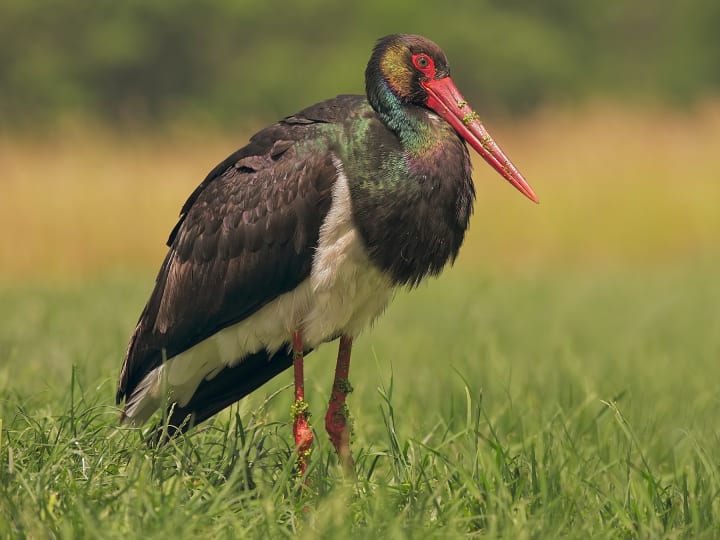
Black storks are large migratory birds living in the southern parts of Africa and breed throughout Eurasia.
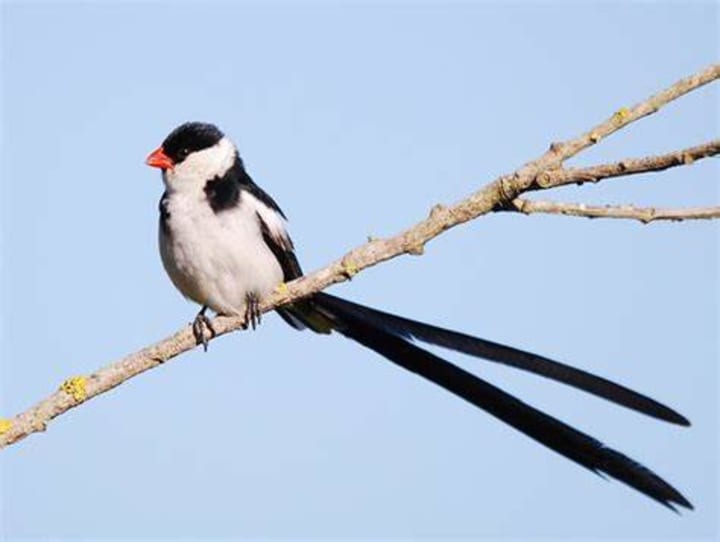
Pin-tailed whydahs are an exotic species of songbirds found in the highlands of Sao Miguel and Madeira.
About the Creator
Rasma Raisters
My passions are writing and creating poetry. I write for several sites online and have four themed blogs on Wordpress. Please follow me on Twitter.
Keep reading
More stories from Rasma Raisters and writers in Earth and other communities.
European Animals The Netherlands and North Macedonian
Wildlife of the Netherlands The European country The Netherlands is also known as Holland. It is located between Belgium, Germany, and the Atlantic Ocean. The country encompasses the Caribbean Islands of Bonaire, Saba, and Saint Eustatius in the Lesser Antilles chain.
By Rasma Raistersabout a year ago in Earth
Our European Allies Just Exposed Trump’s Core Weakness—and Also America’s
Recent developments in Europe have cast a spotlight on both Donald Trump’s leadership weaknesses and broader American vulnerabilities in international relations. Allies across the continent have been taking steps that indirectly highlight limitations in U.S. policy, leaving Trump supporters, critics, and global observers questioning whether the United States is adequately positioned to lead on the world stage.
By Muhammad Hassan3 days ago in Earth
Dubai Food District Unveiled as DP World Expands Al Aweer Market
In a significant move that will shape the future of Dubai’s food industry, DP World has unveiled its latest project, the Dubai Food District, as part of an expansion of the Al Aweer Market. This new development is set to revolutionize the region’s food trade, offering state-of-the-art facilities designed to streamline the supply chain, foster innovation, and bolster Dubai’s position as a global hub for food trade. With the rise of global demand for fresh, high-quality food products, this ambitious expansion promises to elevate the UAE’s food sector and enhance the efficiency of food distribution across the region.
By Muhammad Hassan5 days ago in Earth
Affection and Healing for Yourself
During the night of the last quarter moon, I gathered my ritual supplies. I carefully handled the chunk of black tourmaline that would protect me from your overall negative and narcissistic energy. I carefully walked the house with my stick of selenite in hand, asking the universe to cleanse our working space.
By Alisha Wilkins ✒️🦋🖋️7 days ago in Fiction



Comments
There are no comments for this story
Be the first to respond and start the conversation.