
Our European Allies Just Exposed Trump’s Core Weakness—and Also America’s
How Recent Diplomatic Moves Highlight Flaws in U.S. Leadership and Policy

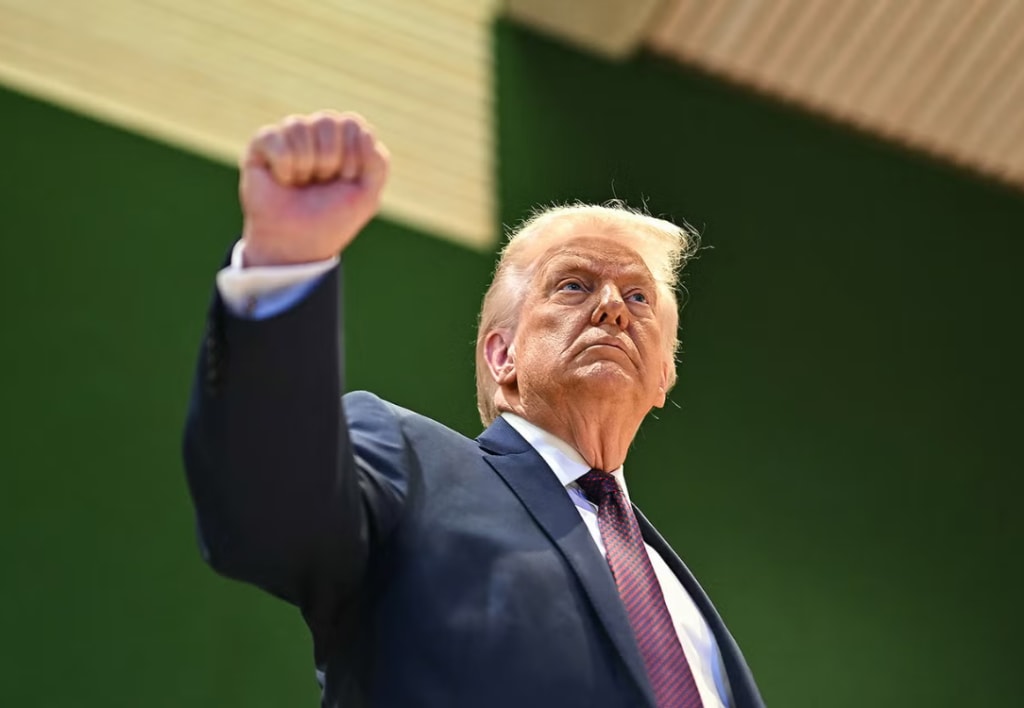
Recent developments in Europe have cast a spotlight on both Donald Trump’s leadership weaknesses and broader American vulnerabilities in international relations. Allies across the continent have been taking steps that indirectly highlight limitations in U.S. policy, leaving Trump supporters, critics, and global observers questioning whether the United States is adequately positioned to lead on the world stage.
The situation reflects a broader tension between domestic politics and foreign diplomacy. While Trump has emphasized a “America First” agenda throughout his political career, European nations are increasingly pursuing policies that balance their own security and economic interests, even if that means diverging from U.S.-led initiatives. This tension exposes structural challenges in American foreign policy that transcend any single administration.
The European Moves That Raised Eyebrows
Over the past few months, several European countries have made strategic decisions that implicitly challenge or bypass Trump-era assumptions:
Independent Defense Initiatives: Certain European nations have accelerated plans for autonomous defense spending and military coordination, signaling a willingness to act without relying solely on U.S. military support.
Trade and Economic Maneuvers: Some EU states have struck deals that reduce dependency on American supply chains, particularly in energy and technology sectors. These moves reflect a desire to protect economic sovereignty.
Diplomatic Coalitions: Europe has strengthened ties with partners outside of traditional U.S. influence, including collaboration on climate, trade, and security matters with non-American allies.
Together, these initiatives indicate that Europe is asserting independence in global affairs, which in turn exposes weaknesses in U.S. diplomatic leverage.
Trump’s Core Weakness: Reliance on Populism Over Diplomacy
Analysts argue that these developments highlight a fundamental limitation in Donald Trump’s approach to international relations:
Transactional Focus: Trump’s leadership style often emphasizes short-term deals and transactional negotiations rather than long-term strategic alliances. While this approach resonates with certain voters, it can undermine trust among international partners.
Diplomatic Oversight: Critics note that Trump tends to undervalue traditional diplomatic channels, relying instead on public statements, executive orders, and direct pressure. European nations, in response, have learned to navigate around these methods.
Perceived Unpredictability: Frequent policy shifts and rhetoric from Trump’s administration make allies cautious, leading them to diversify partnerships and reduce dependence on U.S. decisions.
These weaknesses are compounded by the reality that Europe does not operate as a monolith; countries respond individually to global challenges, often prioritizing regional security and economic stability over alignment with U.S. policy.
America’s Vulnerability
The European response not only reflects Trump’s personal shortcomings but also highlights structural weaknesses in U.S. foreign policy:
Overreliance on Alliances: The U.S. has historically depended on strong alliances to project power globally. As European nations assert independence, America’s leverage diminishes.
Economic Dependencies: Shifts in European trade and supply chain strategies reveal potential vulnerabilities in U.S. economic influence, particularly in critical sectors like energy and technology.
Strategic Gaps: Diverging European priorities indicate that the U.S. may face gaps in coordinated global action, whether in defense, climate policy, or international regulations.
In essence, Trump’s transactional approach has inadvertently encouraged European autonomy, exposing both personal leadership weaknesses and systemic American vulnerabilities.
What This Means for Global Power Dynamics
The exposure of these weaknesses has broader implications for the international order:
Shifting Alliances: Europe’s independent actions could inspire other countries to pursue more autonomous foreign policies, reducing U.S. influence worldwide.
Pressure on Future Administrations: Regardless of who holds office, future American leaders will need to rebuild trust and credibility with allies while balancing domestic political priorities.
Emerging Competitors: As U.S. influence becomes less centralized, rival powers like China and Russia may seize opportunities to strengthen their own global positions.
These dynamics underscore the importance of sophisticated, long-term diplomatic strategy rather than short-term populist maneuvers.
European Resilience and Strategy
While the exposure of U.S. weaknesses may appear critical, it also highlights Europe’s resilience:
Strategic Independence: By pursuing defense, economic, and diplomatic initiatives autonomously, Europe demonstrates its ability to act as a self-reliant global actor.
Multilateral Collaboration: Europe’s moves emphasize collective decision-making and consensus-building, offering a counterbalance to U.S.-centric policies.
Adaptive Policies: European countries have shown a capacity to adapt to unpredictable U.S. policies, maintaining stability in international relations.
In doing so, Europe underscores that global stability does not rely solely on one superpower, but rather on cooperative and adaptive alliances.
The U.S. Response: Rebuilding Credibility
Experts suggest that America can respond to these developments strategically:
Engaging in Multilateral Diplomacy: Reaffirming commitment to NATO and other alliances while respecting European autonomy could restore trust.
Focusing on Long-Term Agreements: Prioritizing sustainable policies over transactional deals may improve America’s credibility in global negotiations.
Balancing Domestic and Foreign Policy: U.S. leaders must reconcile domestic populist pressures with the requirements of consistent, credible foreign policy.
Addressing these areas is crucial to prevent further erosion of American influence while maintaining strong transatlantic relationships.
Final Thoughts
The recent actions by European allies reveal a dual truth: Trump’s core leadership weaknesses and America’s structural vulnerabilities in global affairs. While the U.S. remains a powerful nation, these developments illustrate that influence cannot rely solely on economic might or military strength — it requires trust, diplomacy, and consistency.
As Europe asserts independence and refines its strategic priorities, the U.S. faces a choice: adapt to a more collaborative, multilateral approach or risk ceding influence to emerging powers and autonomous allies. Understanding these lessons is essential for policymakers, citizens, and global observers who are invested in the future of international leadership
About the Creator
Muhammad Hassan
Muhammad Hassan | Content writer with 2 years of experience crafting engaging articles on world news, current affairs, and trending topics. I simplify complex stories to keep readers informed and connected.
Keep reading
More stories from Muhammad Hassan and writers in Earth and other communities.
Four Attacks in 48 Hours: How East Australia’s Beaches Became a ‘Perfect Storm’ for Sharks
East Australia’s coastline has been rocked by four shark attacks in just 48 hours, sparking widespread concern among beachgoers, locals, and authorities alike. While no fatalities were reported in some of these incidents, the frequency and severity of the attacks have left residents and tourists questioning why once-popular swimming spots suddenly became dangerous.
By Muhammad Hassanabout 10 hours ago in Earth
The Plant That Thrives Without Water, Loves Heat, and Turns Any Yard Into a Butterfly Haven
As climate change reshapes weather patterns and water scarcity becomes a growing concern, gardeners around the world are rethinking what they plant. The era of thirsty lawns and delicate flowers is slowly giving way to a new generation of resilient, eco-friendly greenery. Among these standout survivors is a remarkable plant that thrives without regular watering, flourishes in intense heat, and transforms ordinary yards into vibrant butterfly sanctuaries. This plant is commonly known as butterfly weed (Asclepias tuberosa), a hardy native species that is redefining sustainable gardening. Built for Heat and Drought Butterfly weed is naturally adapted to harsh conditions. Native to dry prairies and open grasslands, it has evolved deep roots that allow it to access moisture far below the surface. Once established, it requires little to no supplemental watering, even during prolonged heatwaves. Unlike traditional garden plants that wilt under the sun, butterfly weed actually thrives in full sunlight. Temperatures that scorch lawns and stress ornamentals are exactly what this plant prefers. Its thick, narrow leaves minimize water loss, while its sturdy stems resist wind and heat damage. For homeowners living in drought-prone or arid regions, this makes butterfly weed an ideal solution—beautiful without being demanding. A Magnet for Butterflies and Pollinators What truly sets butterfly weed apart is its powerful role in supporting pollinators. Its bright orange, yellow, or red flower clusters are rich in nectar, attracting a wide range of butterflies, bees, and other beneficial insects. Most notably, butterfly weed is a critical host plant for monarch butterflies. Monarchs lay their eggs exclusively on milkweed species, and butterfly weed provides both food and shelter for their caterpillars. With monarch populations declining due to habitat loss and pesticide use, planting butterfly weed can make a real difference. Beyond monarchs, the plant also draws swallowtails, painted ladies, and native bees, turning even a small yard into a buzzing ecosystem. Low Maintenance, High Impact One of the biggest appeals of butterfly weed is how little effort it requires. After the first growing season, maintenance is minimal. It doesn’t need frequent pruning, fertilizing, or pest control. In fact, overwatering or rich soil can actually harm it. It grows well in poor, sandy, or rocky soil—conditions that many gardeners struggle with. Once planted, it establishes itself slowly but steadily, returning year after year as a reliable perennial. This makes it perfect for busy homeowners, beginners, or anyone looking to reduce water bills and gardening workload without sacrificing visual appeal. Beauty With a Purpose Butterfly weed proves that sustainable gardening doesn’t mean compromising on aesthetics. Its vivid flowers bloom for weeks during summer, creating bold color contrasts in landscapes that might otherwise look dry or dull. It pairs well with ornamental grasses, lavender, and other drought-tolerant plants, making it a favorite in modern xeriscaping designs. Whether planted in borders, wildflower gardens, or urban yards, it brings both structure and color. Unlike invasive ornamentals, butterfly weed coexists peacefully with native plants, strengthening local ecosystems rather than disrupting them. A Climate-Smart Choice As heatwaves become more frequent and water restrictions more common, plants like butterfly weed represent the future of gardening. They reduce dependence on irrigation, support wildlife, and help landscapes remain resilient under changing conditions. By choosing drought-tolerant, native species, gardeners can actively participate in climate adaptation—one plant at a time. Butterfly weed, in particular, shows how small choices can have wide-reaching environmental benefits. How to Grow It Successfully Growing butterfly weed is straightforward. It prefers full sun and well-drained soil. Seeds can be sown directly in the ground, though patience is key—the plant focuses on root development in its first year before producing abundant blooms. Once established, it requires little care. Avoid fertilizers and heavy mulching, and let nature do the rest. In return, the plant will reward you with years of color and life. Final Thoughts The plant that thrives without water, loves heat, and turns any yard into a butterfly haven is more than just a gardening trend—it’s a symbol of a smarter, more sustainable relationship with nature. Butterfly weed proves that beauty and resilience can go hand in hand. In a world facing rising temperatures and shrinking resources, it offers a hopeful reminder: sometimes, the toughest plants create the most vibrant life.
By Fiaz Ahmed Brohi6 days ago in Earth
TODAY’S WEATHER NEWS ACROSS THE UNITED STATES WHAT AMERICANS SHOULD EXPECT RIGHT NOW
TODAY’S WEATHER NEWS ACROSS THE UNITED STATES WHAT AMERICANS SHOULD EXPECT RIGHT NOW Weather conditions continue to be one of the most discussed daily topics across the United States, especially as seasonal transitions bring noticeable changes in temperature, storms, and regional weather patterns. Today’s weather reflects a mix of warming trends, lingering cold pockets, and active systems affecting different parts of the country. From the West Coast to the East Coast, Americans are paying close attention to how temperatures will feel, whether rain or snow is expected, and how conditions may impact daily routines.
By America today 6 days ago in Earth



Comments
There are no comments for this story
Be the first to respond and start the conversation.