
Drought-resistant crops
Drought-Resistant Crops: A Key to Food Security in a Changing Climate

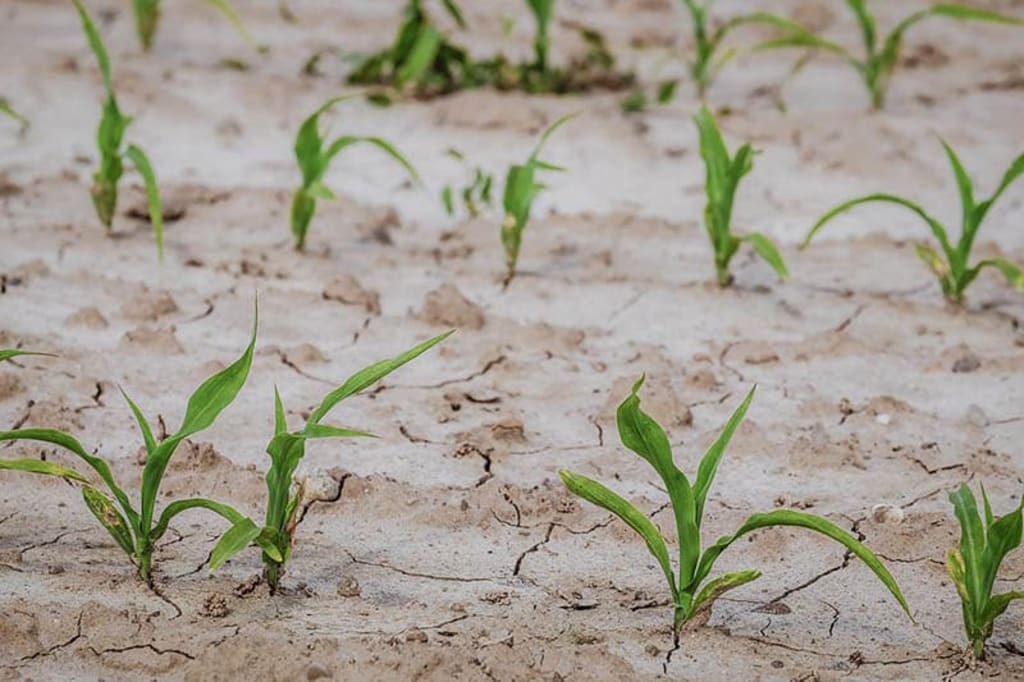
Drought-resistant crops are an essential solution for global food security, especially in the face of climate change. As water scarcity becomes more prevalent due to erratic rainfall patterns and rising temperatures, developing and cultivating drought-tolerant crops is crucial for sustaining agriculture and ensuring food availability. These crops have natural or genetically engineered traits that allow them to survive and yield harvests even in water-deficient conditions. This article explores the importance, examples, and future prospects of drought-resistant crops in modern agriculture.
(I)The Importance of Drought-Resistant Crops
Droughts significantly impact agricultural productivity, leading to food shortages, economic instability, and malnutrition in many parts of the world. Traditional crops require substantial amounts of water to thrive, making them vulnerable to prolonged dry spells. Drought-resistant crops offer several advantages:
Water Efficiency: These crops require less water, making them suitable for arid and semi-arid regions.
Resilience to Climate Change: With unpredictable weather patterns, drought-tolerant crops provide stability in food production.
Economic Benefits: Farmers benefit from reduced irrigation costs and higher yields in drought-prone areas.
Sustainability: They contribute to sustainable farming by reducing dependence on irrigation and conserving groundwater.
(II)Examples of Drought-Resistant Crops
Several crops have demonstrated natural resilience to drought conditions, while others have been genetically modified or selectively bred to enhance their drought tolerance. Some of the most notable drought-resistant crops include:
1. Sorghum (Sorghum bicolor)
Sorghum is a staple food crop in many parts of Africa and Asia. It is highly resilient to drought due to its deep root system and ability to reduce water loss through leaf modifications. Sorghum is used for food, animal feed, and biofuel production.
2. Millets (Pearl Millet, Finger Millet, Foxtail Millet)
Millets are small-seeded grasses that are naturally adapted to dry conditions. They require minimal water, are highly nutritious, and can grow in poor soils. Pearl millet, for example, is a key food crop in India and Africa.
3. Cassava (Manihot esculenta)
Cassava is a drought-tolerant root crop that can thrive in poor soils and low rainfall areas. It is a major source of carbohydrates for millions of people in tropical regions. Cassava plants can store water in their thick roots, allowing them to survive prolonged dry periods.
4. Cowpea (Vigna unguiculata)
Also known as black-eyed peas, cowpeas are an important legume crop in Africa and Asia. They have deep roots that allow them to extract water from deeper soil layers, making them highly resistant to drought. Cowpeas are also a good source of protein and improve soil fertility by fixing nitrogen.
5. Tepary Beans (Phaseolus acutifolius)
Tepary beans are native to the southwestern United States and Mexico. They are among the most drought-tolerant legume crops, requiring minimal water while providing high nutritional value.
6. Pigeon Pea (Cajanus cajan)
This legtminous crop is widely grown in tropical and subtropical regions. It has deep roots that help it access water from deeper soil layers. Pigeon peas are rich in protein and play a role in improving soil health.
7. Quinoa (Chenopodium quinoa)
Originally from the Andes, quinoa is gaining global popularity due to its high nutritional value and ability to withstand harsh growing conditions, including drought.
8. Drought-Resistant Maize (Zea mays)
Through selective breeding and genetic engineering, drought-resistant maize varieties have been developed to ensure stable yields in water-limited environments. These varieties are crucial for food security in many developing nations.
(III)Development of Drought-Resistant Crops
Advancements in agricultural science have led to various methods of developing drought-resistant crops:
Traditional Breeding: Scientists select and crossbreed plants with naturally occurring drought-resistant traits to develop improved varieties.
Genetic Engineering: Modern biotechnology enables the modification of plant genes to enhance drought resistance. For example, transgenic maize with drought-tolerant genes has been developed to improve yields under water stress.
CRISPR Gene Editing: This technology allows precise modification of genes to create crops with enhanced drought tolerance while maintaining high yields and nutritional value.
Microbial Solutions: Scientists are exploring the role of soil microbes in enhancing plant drought resistance by promoting better water uptake and stress tolerance.
(IV)Challenges and Future Prospects
While drought-resistant crops offer immense benefits, there are challenges that need to be addressed:
Acceptance of Genetically Modified Crops: Some regions have regulatory and public resistance to genetically modified organisms (GMOs), limiting the adoption of biotech drought-resistant crops.
Yield Trade-offs: Some drought-resistant varieties may have lower yields under normal conditions, requiring careful selection and breeding improvements.
Access to Improved Seeds: Small-scale farmers often struggle to access drought-resistant seed varieties due to high costs or lack of distribution networks.
Climate Variability: Unpredictable climate patterns may require continuous development of new crop varieties to adapt to changing conditions.
IN THE END
Drought-resistant crops are a crucial solution to ensuring food security in a changing climate. As water resources become scarcer, investing in research, development, and distribution of these crops is vital for sustainable agriculture. Governments, scientists, and farmers must work together to promote drought-tolerant crops through education, policy support, and technological innovation. With the right strategies, drought-resistant crops can help secure global food production and resilience against climate challenges.
About the Creator
Badhan Sen
Myself Badhan, I am a professional writer.I like to share some stories with my friends.
Keep reading
More stories from Badhan Sen and writers in Earth and other communities.
Post-disaster recovery strategies
Effective post-disaster recovery strategies are essential for rebuilding infrastructure, restoring livelihoods, and ensuring long-term resilience. Recovery is a complex and multi-phase process that includes immediate relief, short-term rehabilitation, and long-term reconstruction. The following are key strategies for effective post-disaster recovery.
By Badhan Sen12 months ago in Earth
Why Fruit Shell Biomass Is Perfect for Charcoal Making: A Property Analysis
When it comes to sustainable charcoal production, not all biomass materials are created equal. Among the various options—from wood chips to agricultural residues—fruit shell biomass (such as walnut shells, coconut shells, peanut shells, and almond shells) stands out as an ideal candidate. Its unique physical and chemical properties not only make the charcoal making process more efficient but also result in high-quality charcoal with versatile applications. In this post, we’ll break down the key properties that make fruit shell biomass a top choice for charcoal production, and touch on how these properties interact with charcoal making equipment to optimize outcomes.
By Bestonpyrolysis5 days ago in Earth
Handful of Sick and Wounded Palestinians Allowed Through Rafah Crossing on First Day
The partial reopening of the Rafah border crossing has allowed a small number of sick and wounded Palestinians to leave Gaza for medical treatment, marking a significant yet limited humanitarian development. While only a handful of individuals were permitted to cross on the first day, the move has sparked cautious optimism among humanitarian organizations, families awaiting medical care, and international observers.
By Aarif Lashari6 days ago in Earth
Writing About Writing: The Rainbow Trap
The good thing about living in modern times is that LGBTQ representation in media is increasing. Not just in niche and Independant media, either, but also in mainstream media. Books, movies, TV shows, comics... they're finally catching on that LGBTQ+ people form a significant part of their audience, and deserve to see themselves on screen and in fiction, not just as victims in documentaries and true crime shows.
By Natasja Rose5 days ago in Writers



Comments (1)
This is a very interesting farm report in a way for all farmers to follow one way or another. Good job.