
Post-disaster recovery strategies
Disasters, whether natural or human-induced, can have devastating impacts on communities, economies, and ecosystems.

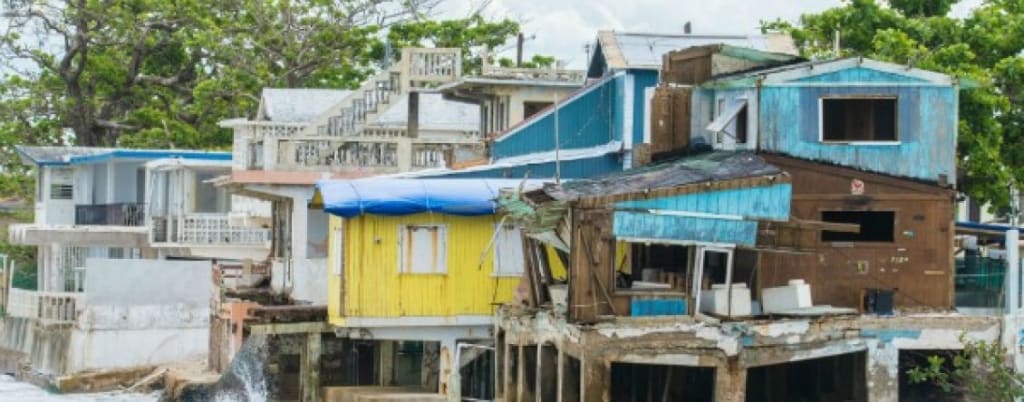
Effective post-disaster recovery strategies are essential for rebuilding infrastructure, restoring livelihoods, and ensuring long-term resilience. Recovery is a complex and multi-phase process that includes immediate relief, short-term rehabilitation, and long-term reconstruction. The following are key strategies for effective post-disaster recovery.
Immediate Response and Relief
The first phase of recovery involves emergency response efforts to save lives, provide medical care, and ensure access to basic necessities such as food, water, and shelter. Key actions include:
Rapid assessment of the disaster’s impact to determine urgent needs.
Deployment of emergency services, including medical teams, firefighters, and rescue workers.
Distribution of essential supplies, such as food, water, blankets, and medicine.Temporary shelters to accommodate displaced populations.
Emergency communication systems to ensure coordination among responders and affected populations.
Restoration of Essential Services
Once the immediate threats are addressed, restoring essential services is critical. This includes:
Reestablishing electricity, water, and sanitation systems to prevent further health risks.
Restoring healthcare facilities to treat injuries and prevent disease outbreaks.
Rebuilding transportation infrastructure to facilitate aid distribution and movement.
Ensuring security and law enforcement to prevent looting and social unrest.
Community Engagement and Social Support
Disasters impact individuals psychologically and socially, making community engagement a crucial aspect of recovery. Strategies include:
Psychosocial support and counseling to help survivors cope with trauma.
Community participation in decision-making, ensuring local voices guide recovery efforts.
Support for vulnerable groups, such as children, elderly individuals, and disabled persons.
Education and awareness campaigns to help communities prepare for future disasters.
Economic Recovery and Livelihood Restoration
Economic stability is a key component of long-term recovery. Steps to revive the local economy include:
Job creation programs through public works projects and infrastructure rebuilding.
Financial assistance for small businesses to restart operations and generate employment.
Agricultural and fisheries support for rural communities dependent on these industries.
Microfinance and loan programs to help individuals rebuild their livelihoods.
Encouraging private sector involvement to stimulate investment and economic activity.
Reconstruction and Infrastructure Development
Rebuilding damaged infrastructure should focus on resilience and sustainability. Key considerations include:
Adopting disaster-resistant building codes to prevent future damage.
Urban planning improvements, including safe zoning for housing and businesses.
Green infrastructure solutions such as flood-resistant drainage systems and earthquake-resistant buildings.
Use of modern technologies in construction and early warning systems.
Public-private partnerships to fund large-scale reconstruction efforts.
Environmental Rehabilitation
Disasters often lead to environmental degradation, which must be addressed to prevent long-term consequences. Recovery strategies include:
Reforestation and soil stabilization to prevent landslides and desertification.
Coastal restoration projects for storm and tsunami-prone regions.
Waste management and cleanup efforts to remove debris and hazardous materials.
Restoring natural disaster barriers, such as mangroves and wetlands, to enhance resilience.
Policy and Institutional Strengthening
Governments play a critical role in disaster recovery by setting policies and strengthening institutions. Strategies include:
Developing comprehensive disaster management plans that incorporate lessons from past events.
Improving coordination among government agencies, NGOs, and international organizations.
Strengthening legal frameworks for land use, construction standards, and emergency response.
Enhancing disaster insurance mechanisms to mitigate financial losses in future disasters.
Community-Based Disaster Risk Reduction (CBDRR)
Ensuring long-term resilience requires empowering communities to reduce disaster risks. Community-driven strategies include:
Training and capacity building to improve local preparedness and response.
Establishing local disaster response teams for rapid action during emergencies.
Developing early warning systems to alert communities before disasters strike.
Promoting disaster education in schools and local organizations.
International Aid and Collaboration
International organizations, NGOs, and foreign governments often play a crucial role in post-disaster recovery. Effective collaboration strategies include:
Ensuring transparency in aid distribution to prevent corruption and inefficiencies.
Coordinating with international relief agencies to maximize impact.
Leveraging global expertise and technologies for sustainable rebuilding.
Developing long-term partnerships with donor countries and organizations.
IN THE END
Post-disaster recovery requires a comprehensive, multi-sectoral approach that prioritizes human welfare, economic stability, and long-term resilience. By integrating emergency response, infrastructure rebuilding, environmental restoration, and policy improvements, communities can not only recover but also become better prepared for future disasters. Investing in preparedness and sustainable development is key to minimizing future risks and ensuring lasting recovery.
About the Creator
Badhan Sen
Myself Badhan, I am a professional writer.I like to share some stories with my friends.
Keep reading
More stories from Badhan Sen and writers in Earth and other communities.
Volcanic ash and aviation risks
One of the most significant threats posed by volcanic eruptions is volcanic ash, which can pose serious risks to aviation. Volcanic ash clouds can spread over vast distances, disrupting air travel, damaging aircraft, and endangering passengers and crew. Understanding the nature of volcanic ash, its impact on aviation, and the measures taken to mitigate risks is crucial for ensuring flight safety.
By Badhan Sen12 months ago in Earth
Fraudster DJ Carey Moved to Same Prison Landing as Kinahan Gangsters
Reports that former sports figure DJ Carey, convicted in a fraud case, has been moved to the same prison landing as inmates linked to the Kinahan organized crime network have sparked public discussion about prison safety, inmate classification, and correctional system procedures.
By Aarif Lashari7 days ago in Earth
Frozen Horizons: Inside the 2026 Winter Olympics and the Future of Winter Sport
In the winter of 2026, the world will turn its attention to northern Italy, where snow, stone, and centuries of history will converge under the Olympic rings. The 2026 Winter Olympics, officially known as Milano–Cortina 2026, promise something quietly radical. Not louder stadiums or flashier ceremonies, but a rethinking of what a global sporting event can look like in a fragile era.
By Story Prism5 days ago in Earth



Comments (1)
Good job and it depends on how everyone of these agencies work together to solve and help in certain situations.