
Dammed If We Do: How India’s Giant River Fish Is Dying in Silence
What happens to a river’s soul when we stop its flow? The story of the humpback mahseer—a forgotten giant gasping for space in the Cauvery.

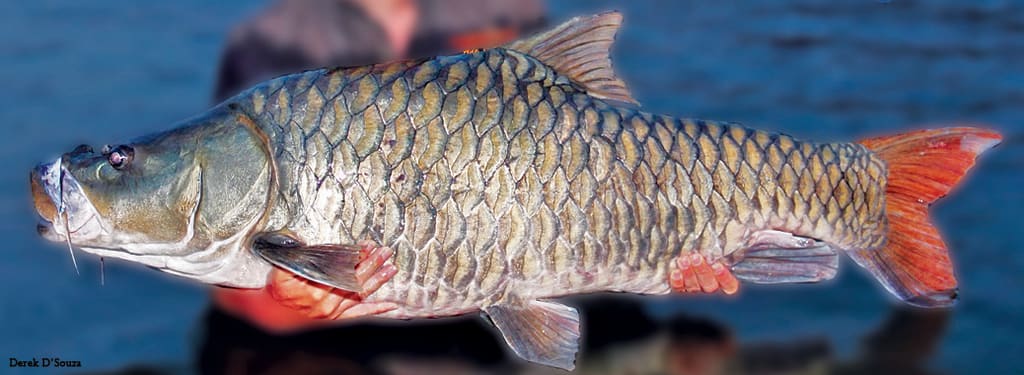
In the stillness of a summer afternoon, deep in the Cauvery River, something once stirred. A creature the size of a human child, orange-finned and hump-backed, glided through the cool, fast-flowing waters. Locals called it the "Tiger of the Cauvery," a fish so strong it bent rods and broke records. But today, that legend is fading.
The humpback mahseer, one of the largest freshwater fish in the world, is now critically endangered. Not because people hunted it to extinction, or because factories poured poison into its waters. But because, quietly and steadily, we stopped letting the river flow.
The Rise and Fall of a Giant:
This mighty fish, a member of the carp family, once thrived in the rushing, oxygen-rich waters of southern India. Adults could grow to 150 centimeters long and weigh up to 45 kilograms. But it wasn’t just their size that made them special—it was where they lived and how they lived.The mahseer is a bottom feeder. It feeds on plants, insects, and molluscs, and depends on seasonal changes in the river—especially the monsoon months of July to September—to spawn in rocky streams. That delicate rhythm has shaped the mahseer’s life for thousands of years.
Then came the dams.
2004: The Year the River Choked.Two major dams control the Cauvery River's flow: the Krishnaraja Sagar (KRS) and the Kabini. They provide water for cities, farms, and industries—but at a cost.In 2004, southern India experienced one of its worst droughts. That year, data shows, the combined summer outflow from both dams dropped to its lowest point in 37 years. In the following year, 2005, the population of humpback mahseer plummeted.Graphs from long-term studies reveal a disturbing pattern: although the mahseer had recovered from previous dips in population (like in 1979 and 2002), after 2005 it never bounced back. The river had changed, and the mahseer couldn’t keep up.
Why Dams Are Silent Killers
To most of us, dams mean progress. They light our homes and water our fields. But for river species like the humpback mahseer, they represent something else entirely: interrupted life cycles.Dams alter the river’s flow, turning a wild, breathing system into a managed, controlled trickle. They change water temperatures, oxygen levels, and sediment loads. They flatten seasonal floods and starve downstream habitats.For a species like the mahseer that needs fast, clear water to spawn, these changes are more than inconvenient. They are fatal.
Why should we care about a single fish in a single river?
Because the mahseer is more than a fish. It is a symbol. A bioindicator. Its health reflects the health of the entire river system. And its disappearance is a red flag for what’s happening to freshwater ecosystems across India and the world.As water becomes one of our most contested resources, river life often pays the quietest price. We don’t see fish gasping for oxygen or failing to spawn. But the data doesn’t lie. Species are disappearing. Rivers are changing. And one day, we’ll feel the consequences in our own lives—in our food, our water, our weather.
A Chance to Listen, and Act
There is still hope. Conservation groups such as The Wildlife Association of South India(WASI) are monitoring the mahseer’s numbers and pushing for river-friendly policies. Efforts to regulate dam outflows, protect spawning grounds, and engage local communities are slowly building momentum.But hope depends on awareness. On stories. On people knowing what’s at stake.
So here’s the story of a fish that fought the current, fed generations, and now floats on the edge of memory. The tiger of the Cauvery may be gasping—but if we listen, maybe it doesn’t have to go silent just yet.
Sources: Long-term population data from WASI (1975-2012), dam outflow records, and studies by Pinder et al. and Mongabay India.
About the Creator
Basil Sarguroh
Biologist turned storyteller. I write about wild things—nature, science, and the human mess in between. Here to make complex stuff feel simple, weird stuff feel wonderful, and you feel a little more curious.
Keep reading
More stories from Basil Sarguroh and writers in Earth and other communities.
Back from the Dead: Can We Really Bring Extinct Species Back Without Harming Nature?
What if the woolly mammoth roamed the Arctic again? Or the dodo strutted through the forests of Mauritius? It sounds like something out of a sci-fi movie, but science is catching up with imagination. Thanks to breakthroughs in genetics and biotechnology, the idea of reviving extinct animals—known as "de-extinction"—is no longer just fantasy. It’s inching closer to becoming a reality. But just because we can bring a species back, does it mean we should?
By Basil Sarguroh10 months ago in Earth
Why Are Frozen Fruits and Vegetables Becoming a Staple in Modern Kitchens?
In today’s fast-paced lifestyle, people are constantly searching for convenient, healthy, and long-lasting food options. Frozen fruits and vegetables have emerged as one of the most reliable solutions to meet these needs. Once viewed as a secondary alternative to fresh produce, frozen options are now gaining strong acceptance among households, restaurants, and food service providers across the world.
By Rohit Shahabout 20 hours ago in Earth



Comments
There are no comments for this story
Be the first to respond and start the conversation.