
Why Are Frozen Fruits and Vegetables Becoming a Staple in Modern Kitchens?
The Growing Importance of Frozen Fruits and Vegetables
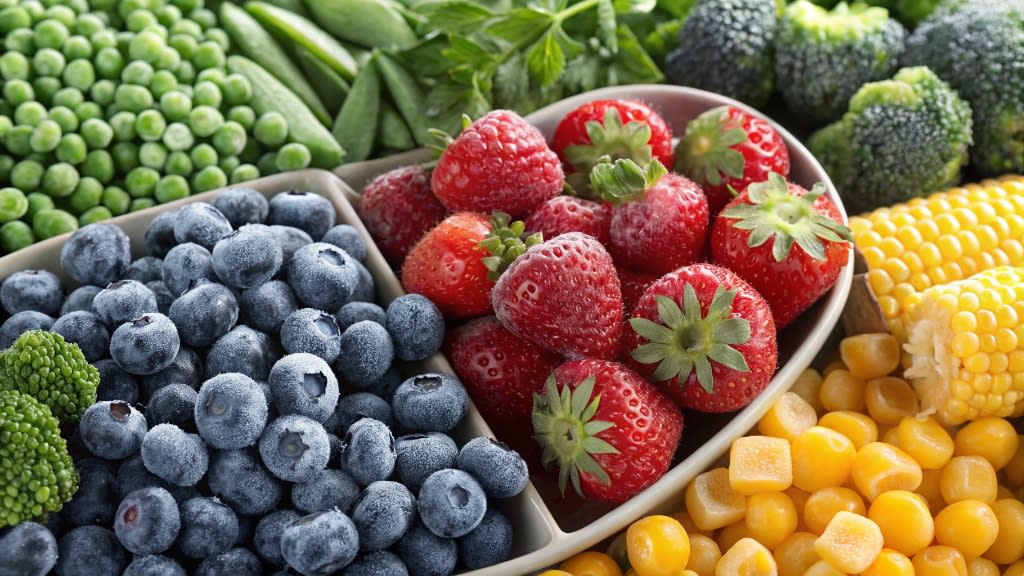
In today’s fast-paced lifestyle, people are constantly searching for convenient, healthy, and long-lasting food options. Frozen fruits and vegetables have emerged as one of the most reliable solutions to meet these needs. Once viewed as a secondary alternative to fresh produce, frozen options are now gaining strong acceptance among households, restaurants, and food service providers across the world.
The popularity of frozen fruits and vegetables is driven by their convenience, extended shelf life, and ability to retain nutritional value. With busy schedules and increasing awareness about healthy eating, consumers are turning toward frozen produce as a practical and nutritious choice for everyday meals.
Understanding the Freezing Process and Its Benefits
Freezing is one of the most effective methods of food preservation. Fruits and vegetables are typically frozen shortly after harvesting, when they are at peak ripeness. This process helps lock in nutrients, flavor, and texture while preventing spoilage.
Unlike fresh produce that may lose nutritional value during transportation and storage, frozen fruits and vegetables maintain much of their original quality. Advanced freezing techniques help preserve vitamins, minerals, and antioxidants, making frozen produce a reliable alternative to fresh options.
Another major advantage of freezing is the reduction of food waste. Since frozen products have a longer shelf life, consumers can use them as needed without worrying about spoilage. This makes them especially useful for households aiming to reduce waste and manage food costs efficiently.
Rising Demand Driven by Lifestyle Changes
Changing lifestyles have played a significant role in increasing the consumption of frozen fruits and vegetables. Urbanization, longer working hours, and the growing number of working professionals have increased the demand for quick and easy meal solutions.
Frozen produce offers convenience without compromising nutrition. Pre-cut and ready-to-cook fruits and vegetables save preparation time and simplify cooking. This has made them popular among working individuals, students, and families looking for balanced meals with minimal effort.
Additionally, the rise of home cooking trends, especially after global health events, has further boosted demand. Many consumers prefer stocking frozen fruits and vegetables to ensure consistent availability of healthy ingredients at home.
Health and Nutritional Advantages
One of the most common misconceptions about frozen produce is that it is less nutritious than fresh produce. In reality, frozen fruits and vegetables often retain similar, and sometimes even higher, nutrient levels compared to fresh items that have been stored for several days.
The freezing process preserves essential vitamins such as vitamin C, vitamin A, and folate. Since no preservatives are required for freezing, frozen products remain a natural and healthy option. They are also free from artificial additives, making them suitable for health-conscious consumers.
Frozen fruits are widely used in smoothies, desserts, and breakfast bowls, while frozen vegetables are commonly used in soups, stir-fries, and ready meals. Their versatility makes them an essential part of a balanced diet.
Technological Advancements in Freezing and Storage
Advancements in freezing technology have significantly improved the quality of frozen fruits and vegetables. Techniques such as quick freezing and individually quick frozen methods help maintain texture, color, and taste.
Modern cold storage facilities ensure consistent temperature control, preventing quality degradation during storage and transportation. Improved packaging solutions also protect products from freezer burn and moisture loss, further extending shelf life.
These technological improvements have increased consumer trust and contributed to the growing acceptance of frozen produce across both retail and food service sectors.
Consumer Preferences and Buying Behavior
Consumer preferences have evolved toward healthier and more convenient food options. Frozen fruits and vegetables meet these expectations by offering consistency, availability, and ease of use. Many consumers now view frozen produce as an essential kitchen staple rather than a backup option.
The rise of plant-based diets and clean eating trends has further supported this shift. Frozen fruits are widely used in smoothies, desserts, and breakfast meals, while frozen vegetables are popular in plant-based cooking and meal preparation.
Online grocery shopping has also played a major role in boosting demand. Easy access to a wide range of frozen products, along with doorstep delivery, has made purchasing frozen foods more convenient than ever.
Sustainability and Environmental Considerations
Sustainability has become an important factor influencing consumer choices. Frozen fruits and vegetables contribute to sustainability by reducing food waste and improving resource efficiency. Since they can be stored for long periods, fewer products are discarded due to spoilage.
Many producers are adopting environmentally friendly practices such as sustainable farming, reduced packaging, and energy-efficient freezing methods. Some companies are also investing in recyclable packaging to minimize environmental impact.
By supporting frozen produce, consumers indirectly contribute to reducing food waste and promoting more efficient food systems.
Challenges Faced by the Frozen Produce Sector
Despite its growth, the frozen fruits and vegetables sector faces certain challenges. Maintaining a consistent cold chain during transportation and storage is critical to preserving quality. Any disruption in temperature control can affect texture and taste.
Energy costs associated with freezing and cold storage can also be high, impacting overall operational expenses. Additionally, consumer perception in some regions still favors fresh produce, creating the need for continuous awareness and education.
However, ongoing innovation and improved infrastructure are helping address these challenges and strengthen industry growth.
Future Outlook of Frozen Fruits and Vegetables
The future of frozen fruits and vegetables looks promising, driven by changing dietary habits, technological advancements, and increasing focus on sustainability. As consumers continue to seek convenient and nutritious food options, frozen produce is expected to play an even more important role in daily diets.
Innovations in packaging, freezing technology, and product variety are likely to enhance quality and expand usage. The growing popularity of ready-to-cook meals and health-focused food products will further support long-term growth.
With rising awareness of food waste reduction and nutritional benefits, frozen fruits and vegetables are set to become a permanent and essential part of modern food consumption.
Conclusion
Frozen fruits and vegetables have transformed from simple convenience items into essential components of healthy and sustainable eating. Their ability to retain nutrition, reduce waste, and offer year-round availability makes them a practical choice for modern consumers.
As lifestyles continue to evolve and demand for nutritious, easy-to-use food grows, frozen produce will remain a key contributor to global food consumption. With continued innovation and increasing consumer trust, frozen fruits and vegetables are well-positioned to shape the future of everyday nutrition.
About the Creator
Keep reading
More stories from Rohit Shah and writers in Earth and other communities.
Handicrafts Market: Preserving Tradition in a Modern World
Handicrafts represent the cultural identity, creativity, and heritage of communities around the world. These handmade products reflect generations of skill, tradition, and artistic expression passed down through time. From textiles and pottery to woodwork and metal art, handicrafts showcase the craftsmanship and cultural richness of different regions. In today’s fast-paced and industrialized world, handcrafted products continue to hold a special place because of their authenticity and uniqueness.
By Rohit Shahabout 23 hours ago in Earth
All Holidays Cancelled as UK Holiday Firm Goes Bust
Holiday Firm Collapse Sparks Chaos A major UK holiday company has gone bust, resulting in the cancellation of all booked holidays. The collapse has left thousands of travellers without trips, refunds, or alternative arrangements, sparking frustration and concern among affected customers.
By Aarif Lashari3 days ago in Earth




Comments
There are no comments for this story
Be the first to respond and start the conversation.