
Back from the Dead: Can We Really Bring Extinct Species Back Without Harming Nature?
A deep dive into the science, hopes, and risks of resurrecting lost species—and what it really means for our planet.

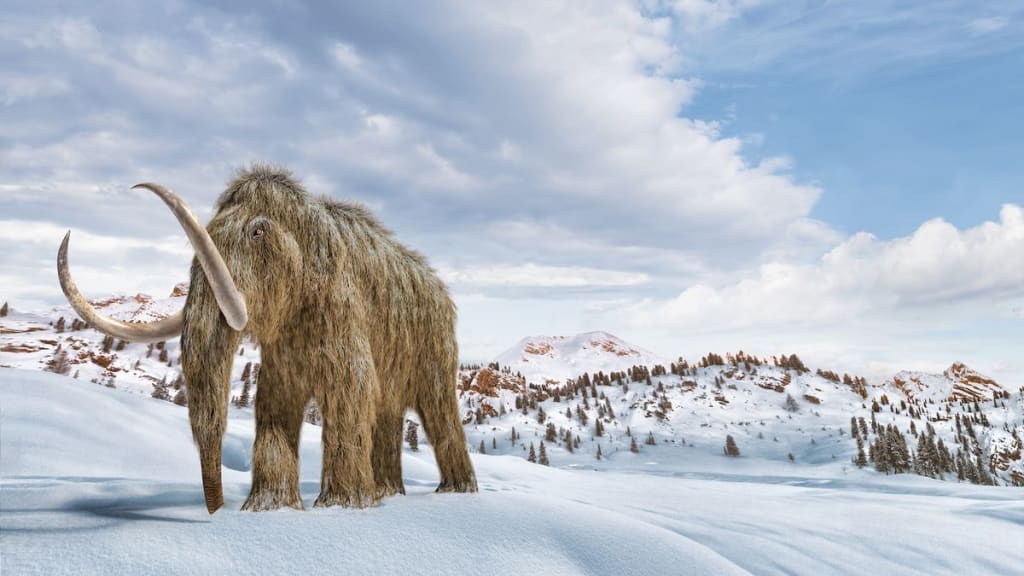
What if the woolly mammoth roamed the Arctic again? Or the dodo strutted through the forests of Mauritius?
It sounds like something out of a sci-fi movie, but science is catching up with imagination. Thanks to breakthroughs in genetics and biotechnology, the idea of reviving extinct animals—known as "de-extinction"—is no longer just fantasy. It’s inching closer to becoming a reality. But just because we can bring a species back, does it mean we should?
Supporters see de-extinction as a revolutionary conservation tool that could undo the damage humans have caused. Critics, on the other hand, raise big concerns: what if these animals can't survive in today's changed environments? What if they disrupt existing ecosystems? Are we playing God?
Let’s explore what’s possible, what’s at stake, and what it really means to bring species back from the dead.
The Big Idea: De-Extinction
De-extinction is the process of bringing extinct species back to life using a mix of genetic engineering, cloning, and selective breeding. Think of it as high-tech restoration ecology. Some scientists are working on reviving the woolly mammoth, while others are trying to recreate the Thylacine, a marsupial predator from Tasmania that went extinct in the 20th century.
One of the most talked-about examples today is the dire wolf—an iconic predator that disappeared around 2,000 years ago. Thanks to new techniques in synthetic biology, there's serious momentum behind its potential return.
But these dreams come with a dose of reality. Ecosystems have changed. Climate patterns are different. Can these species really come back and thrive in a world that moved on without them?
The Ecological Promise
Since the year 1500, nearly a third of known species have gone extinct. That number could rise to 70% by the end of this century if current trends continue. The loss of biodiversity isn't just sad—it’s dangerous. Every species plays a role in the complex web of life, and when one disappears, the effects ripple through entire ecosystems.
Take the gray wolf, for example. When it was reintroduced to Yellowstone National Park, after decades of absence, the entire ecosystem began to heal. Elk populations came under control. Forests and rivers bounced back. It was a powerful reminder that apex predators matter.
Some scientists believe that de-extinction could work in similar ways for species that have been gone for much longer. The woolly mammoth, for instance, could help restore grasslands in the Arctic, potentially slowing permafrost melt and climate change.
But What Could Go Wrong?
Plenty. Let’s start with the obvious: the world is not the same as it was when these animals last roamed. Temperatures, vegetation, rainfall patterns—everything has changed. Even if a de-extinct species is successfully brought back, it might not survive in today’s conditions.
Then there's the risk of becoming invasive. If a reintroduced species outcompetes others, spreads unchecked, or brings along unfamiliar diseases, it could wreak havoc on already vulnerable ecosystems.
And let’s not forget the ethical dilemma: are humans overstepping by trying to control life and death? Are we repeating the same mistake—intervening in nature for our own interests, without understanding the consequences?
A Moral Balancing Act
Critics worry that de-extinction could become a distraction from protecting the species we still have. Why invest millions in resurrecting the mammoth when real-life rhinos, elephants, and frogs are on the brink right now?
There’s also a dangerous mindset to watch for: if we believe we can just bring species back later, will we try as hard to protect them now? That’s the moral hazard some scientists warn about.
So, Should We Do It?
That’s the million-dollar question. De-extinction is not a silver bullet. It won’t fix the root causes of biodiversity loss—like habitat destruction, pollution, or climate change. But in carefully chosen cases, with strict oversight and thoughtful planning, it could play a role in ecological restoration.
To move forward responsibly, we need more than just biotech wizards. We need ecologists, ethicists, policymakers, Indigenous voices, and the general public all
About the Creator
Basil Sarguroh
Biologist turned storyteller. I write about wild things—nature, science, and the human mess in between. Here to make complex stuff feel simple, weird stuff feel wonderful, and you feel a little more curious.
Keep reading
More stories from Basil Sarguroh and writers in Earth and other communities.
The moment I saw my first Cheetah
When I think back to the first time I saw a wild cheetah, it doesn’t feel real. I was standing on a hillside in Loisaba Conservancy, eyes scanning the land, heart quiet with anticipation. It was during a static spotting session one of many we did as part of the Cheetah Project.Then suddenly something shifted in the golden distance. A flicker of movement, nearly lost in the landscape. At first, I thought it was a shadow cast by the afternoon sun on the rocks. But then it moved again. Smooth. Intentional. A cheetah.We were three days into the Cheetah Project, driven by the shared hope of spotting one of these elusive cats. Countless hours had passed with our eyes glued to binoculars, scanning Loisaba’s endless mosaic of land which include savannahs, hillsides and bushlands. Each drive began with quiet optimism and ended with a bit more urgency in our hearts. The silence of no sighting began to weigh heavier.
By Basil Sarguroh8 months ago in Earth
Our European Allies Just Exposed Trump’s Core Weakness—and Also America’s
Recent developments in Europe have cast a spotlight on both Donald Trump’s leadership weaknesses and broader American vulnerabilities in international relations. Allies across the continent have been taking steps that indirectly highlight limitations in U.S. policy, leaving Trump supporters, critics, and global observers questioning whether the United States is adequately positioned to lead on the world stage.
By Muhammad Hassan6 days ago in Earth
Southeast Asia on Alert After Nipah Virus Cases Detected in India
Authorities in Singapore, Thailand, and Malaysia have moved swiftly to implement precautionary measures after two confirmed cases of the Nipah virus were reported in India, raising concerns about the potential regional spread of one of the world’s deadliest zoonotic diseases. While health officials stress that there is currently no cause for panic, the response highlights lingering anxieties across Asia following the COVID-19 pandemic.
By Aarif Lashariabout 20 hours ago in Earth
🅼🅸🅳🅽🅸🅶🅷🆃 🆂🅽🅰🅲🅺🆂
"It's 10 in Tuscon! We all know what that means... It's Time for Midnight Snacks with your man, Gerald Gee! Ready to spend the night together? Me too! I'm full of snacks and can't wait to regurgitate them all back into your hungry ears. Crack a brew! Pop some corn! Anything to get ready for one hell of a show where the talk maybe cheap but the words cut deep...
By Lamar Wiggins7 days ago in Fiction



Comments
There are no comments for this story
Be the first to respond and start the conversation.