
Huge Landslide Leaves Sicilian Homes Teetering on Cliff Edge
How a dramatic collapse of land in Sicily highlights the growing risks of climate change, fragile landscapes, and community safety
Introduction: A Disaster on the Edge
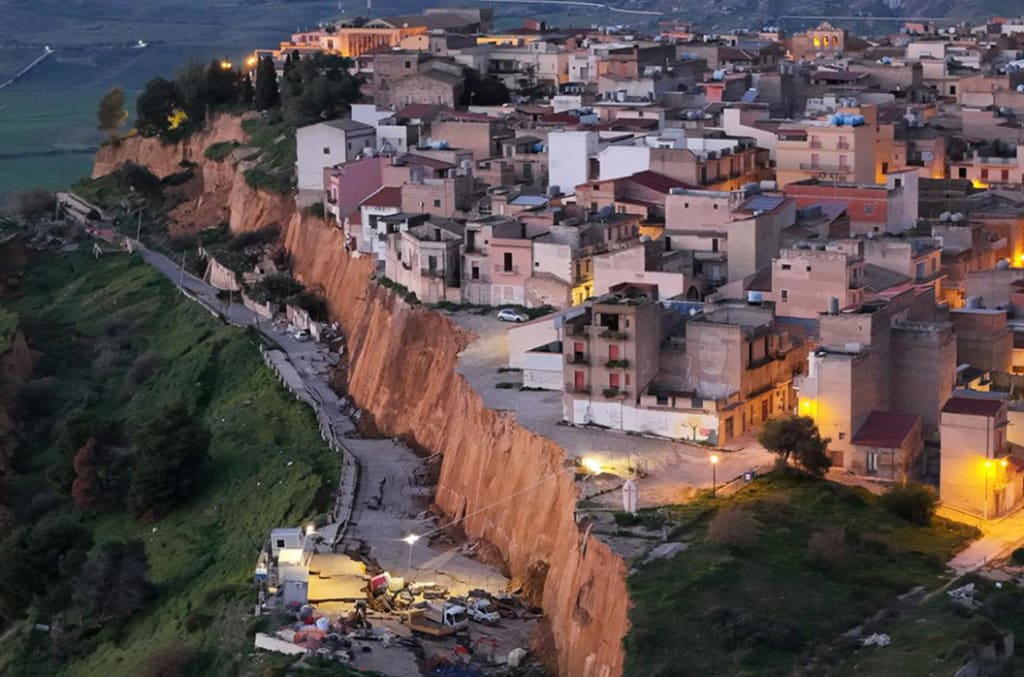
In a dramatic and alarming event, a huge landslide in Sicily has left several homes dangerously close to a cliff edge, forcing evacuations and raising fears of further collapse. Residents watched in shock as chunks of land broke away, turning stable ground into a crumbling precipice within minutes.
Landslides are among the most destructive and unpredictable natural disasters. They can happen suddenly, often with little warning, and can devastate communities, infrastructure, and lives. The situation in Sicily is a stark reminder of how fragile landscapes can become, especially in regions vulnerable to erosion, heavy rainfall, and geological instability.
What Happened in Sicily?
The landslide occurred in a coastal area of Sicily, where soil and rock suddenly gave way, causing part of the land to collapse toward the sea. As the ground shifted, homes that once stood safely inland were left teetering on the edge of a cliff, creating a dangerous and surreal scene.
Authorities quickly responded by evacuating residents from the affected area. Engineers and geologists were dispatched to assess the stability of the ground and determine whether additional collapses were likely. Emergency services worked to secure the area, block access roads, and ensure that no one was injured in the incident.
For residents, the event was terrifying. Many had lived in their homes for years, never imagining that the land beneath them could suddenly disappear.
Why Do Landslides Happen?
Landslides occur when the stability of a slope is compromised, causing soil, rock, or debris to move downhill. Several factors can trigger landslides, including:
Heavy Rainfall
Rain is one of the most common triggers of landslides. When soil becomes saturated with water, it loses its strength and can easily collapse. Prolonged or intense rainfall increases the risk significantly.
Earthquakes and Geological Activity
Sicily sits in a seismically active region, and even small tremors can weaken the ground and trigger landslides. Earthquakes can cause slopes to collapse instantly or destabilize them for future failures.
Coastal Erosion
In coastal areas, waves constantly erode cliffs and shorelines. Over time, this erosion weakens the base of slopes, making them more prone to collapse. Rising sea levels and stronger storms can accelerate this process.
Human Activity
Construction, deforestation, and excavation can destabilize slopes. Removing vegetation or altering the natural drainage of an area can increase landslide risk.
The Role of Climate Change
Climate change is increasingly linked to extreme weather events, including heavy rainfall and storms that trigger landslides. As global temperatures rise, the atmosphere holds more moisture, leading to more intense and frequent rainfall events.
In Mediterranean regions like Sicily, climate change is also causing shifts in rainfall patterns, with longer dry periods followed by sudden heavy downpours. These intense bursts of rain can overwhelm the soil, triggering landslides and flooding.
Additionally, rising sea levels contribute to coastal erosion, further destabilizing cliffs and slopes near the shoreline. The Sicilian landslide is part of a broader global trend where climate-related hazards are becoming more frequent and severe.
Impact on Residents and Communities
Evacuations and Displacement
Residents living near the landslide were forced to evacuate their homes, unsure if they would ever be able to return. Losing a home to a natural disaster is emotionally and financially devastating. Families may face months or years of uncertainty while authorities assess the safety of the area.
Economic Consequences
Landslides can cause significant economic damage. Property values drop, infrastructure is destroyed, and governments must spend millions on repairs, stabilization, and disaster response. Tourism, a major part of Sicily’s economy, could also be affected if the area becomes unsafe or inaccessible.
Psychological Impact
Beyond physical damage, disasters like landslides can have lasting psychological effects on residents. Fear, stress, and anxiety are common after such events, especially when people feel their environment is no longer safe.
Infrastructure and Safety Concerns
Landslides pose serious risks to infrastructure, including roads, utilities, and buildings. In the Sicilian case, roads near the cliff edge were closed to prevent accidents, and engineers began evaluating the stability of nearby structures.
Authorities must determine whether it is safe to reinforce the land or if the area should be permanently abandoned. In some cases, building protective barriers, retaining walls, or drainage systems can reduce future risks. However, in highly unstable areas, relocation may be the only safe option.
How Governments and Communities Can Respond
Early Warning Systems
Monitoring systems that track ground movement, rainfall, and soil moisture can provide early warnings of potential landslides. These systems help authorities evacuate residents before a disaster occurs.
Land-Use Planning
Governments can reduce landslide risk by restricting construction in high-risk areas, especially on steep slopes and coastal cliffs. Zoning laws and building codes play a critical role in preventing disasters.
Slope Stabilization Measures
Engineering solutions such as retaining walls, drainage systems, and vegetation restoration can stabilize slopes and reduce the likelihood of landslides.
Public Awareness and Education
Educating residents about landslide risks and preparedness can save lives. People living in vulnerable areas should know warning signs such as cracks in the ground, tilting trees, or sudden changes in water flow.
A Global Issue, Not Just Sicily
Landslides are a global problem affecting mountainous and coastal regions worldwide. From South Asia to South America and Europe, communities face increasing risks due to climate change, urbanization, and environmental degradation.
Recent years have seen deadly landslides in countries like India, Brazil, and Nepal, often triggered by heavy rainfall. The Sicilian incident adds to a growing list of climate-related disasters that highlight the need for better preparedness and sustainable land management.
What Individuals Can Do
While landslides are large-scale events, individuals can take steps to reduce risk and stay safe:
Avoid building or buying property in high-risk areas
Plant vegetation to stabilize soil
Ensure proper drainage around homes
Stay informed about local hazard maps and warnings
Have an emergency plan and evacuation route
Community cooperation and awareness are essential in reducing the impact of landslides.
The Future of Sicily’s Cliffside Homes
The fate of the homes left teetering on the cliff edge remains uncertain. Engineers will assess whether the land can be stabilized or if residents must permanently relocate. For many families, the emotional toll of potentially losing their homes is immense.
This event also raises questions about how coastal communities worldwide will adapt to increasing geological and climate risks. As sea levels rise and storms intensify, more coastal areas may face similar threats.
Conclusion: A Warning From the Earth
The huge landslide in Sicily is more than a local disaster—it is a warning. It highlights the fragile balance between human settlements and natural landscapes. As climate change accelerates and extreme weather becomes more common, landslides and other natural hazards will pose growing risks to communities around the world.
For Sicily’s residents, the landslide is a life-altering event. For the rest of the world, it is a reminder that preparation, sustainable development, and climate action are essential to protect lives and homes.
Nature’s power is undeniable, and when the ground itself gives way, it reminds us how vulnerable we are—and how important it is to respect and protect our environment.
About the Creator
All Holidays Cancelled as UK Holiday Firm Goes Bust
Holiday Firm Collapse Sparks Chaos A major UK holiday company has gone bust, resulting in the cancellation of all booked holidays. The collapse has left thousands of travellers without trips, refunds, or alternative arrangements, sparking frustration and concern among affected customers.
By Aarif Lashari2 days ago in Earth
📢 Raise Your Voice Thread: 01/22/2026
Our “Raise Your Voice Threads” are hosted most alternating Thursdays at 12PM ET to offer creators more avenues to uncover exceptional stories on Vocal. As we are continuously searching for fresh creators and inspiring stories, this thread provides an opportunity to exchange and discuss the stories that have moved and motivated us on Vocal.
By Raise Your Voice by Vocal7 days ago in Resources


Comments
There are no comments for this story
Be the first to respond and start the conversation.