

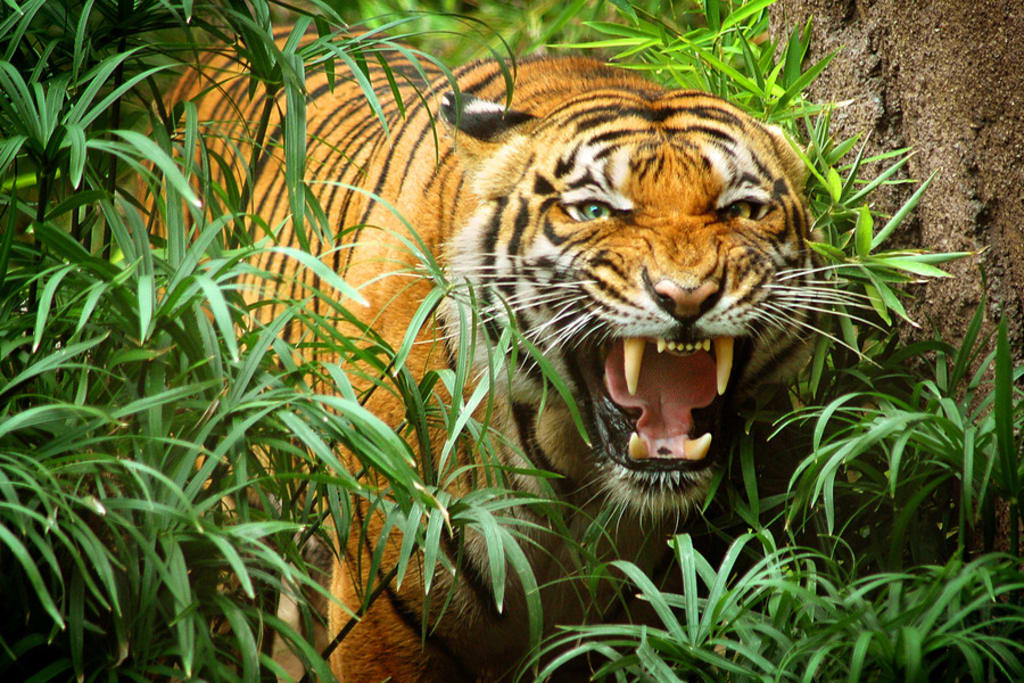
Tigers are known around the world for their distinctive orange fur and black stripes. They are among the most popular animals on the planet and the largest living cat species. These cats are widespread across all of Asia. They also are popular in ads like Frosted Flakes, where everyone knows who Tony the Tiger is. Animated movies like “The Jungle Book” and “Life of Pi” feature tigers as central characters, often symbolizing strength and majesty.

Bengal tigers are the most numerous tiger species found in India, Bangladesh, Nepal, and Bhutan. These tigers are fierce hunters, and everything is prey to them, including deer, wild boar, and water buffalo, The inhabit lush grasslands, mangroves, and tropical or deciduous forests. Their coloring is yellow to light orange, with stripes ranging from dark brown to black; the belly and the interior parts of the limbs are white, and the tail is orange with black rings. Bengal tigers lead solitary lives and congregate only temporarily when special conditions permit, such as plentiful supplies of food. The basic social unit of the tiger is composed of a female and her offspring.
Indochinese tigers come from Southeast Asia and are mostly located in Thailand and Myanmar. (pictured above) They inhabit tropical forests, mountainous areas, and hilly regions. They have a smaller and more slender build compared to other tiger subspecies. Indochinese tigers are solitary animals, primarily active at night. These carnivores hunt banteng, sambar deer, and wild boars.
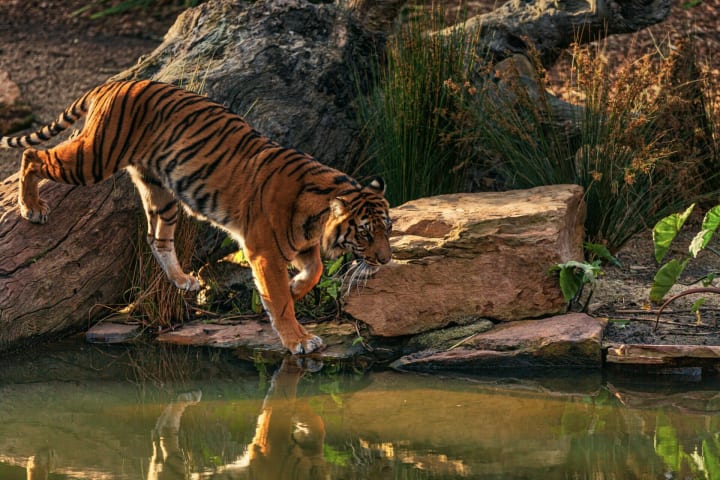
Malayan tigers are native to Peninsular Malaysia. They prefer living along rivers, in forests, and in agricultural areas. These tigers have rich orange coats with black stripes that are narrower and closer together than those of other tigers. They hunt gaur, deer, and wild boar. Malayan tigers are solitary animals, except for associations between individuals of both sexes at the time of mating as well as the mother and her cubs. Like other tiger species, they are excellent swimmers and may spend a large part of its day in a shallow water body during the daytime heat.

Siberian tigers are also known as Amur tigers. They are the largest of the species. These tigers come from Northeast China and the Russian Far East. They are a hefty species of cat with stripes all over their body and long whiskers. Their main prey consists of goral, deer, and wild boar, with rabbits and rodents sometimes featuring in their diet. The habitat of the Siberian tigers is mostly the snow-covered hilly regions, but these tigers prefer to live in the forest areas. These tigers live alone and do not move in groups. They are nocturnal hunters and usually prefer hunting down their prey by stealth. They eat almost every animal available in the region, from bears to fish or deer to rabbits.
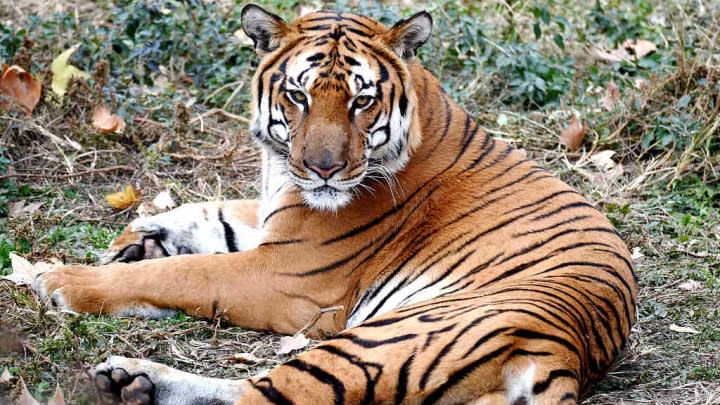
South China tigers live in the south of China. Today they are likely to be extinct in the wild. They have muscular bodies with relatively short tails compared to other tiger subspecies. These tigers prefer dense forests and mountainous regions, although they have adapted to various environments. Generally solitary, except during mating season or when a mother is raising cubs. South China tigers primarily prey on deer, wild boar, and other small mammals.
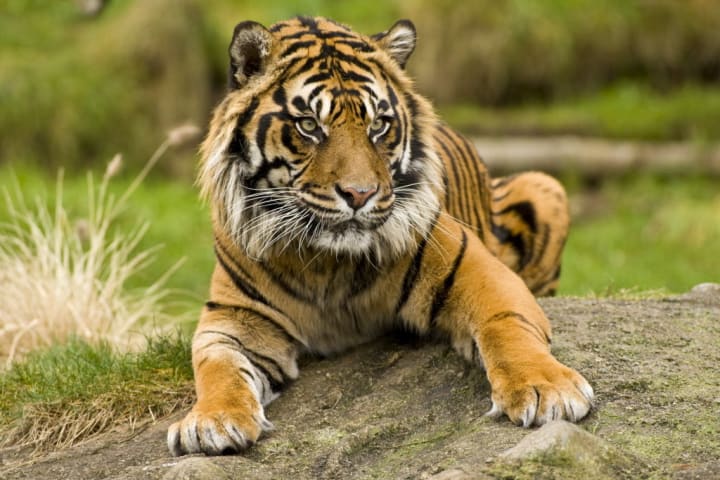
Sumatran tigers are natives of the Indonesian island of the same name, Sumatra. These tigers primarily inhabit tropical rainforests, swamps, and grasslands on the island of Sumatra, Indonesia. They are adept climbers and agile swimmers. These tigers are often found near water sources. Sumatran tigers are carnivorous and primarily hunt deer, wild boar, and other small mammals. They are solitary hunters that rely on stealth and strength to quickly ambush their prey.
About the Creator
Rasma Raisters
My passions are writing and creating poetry. I write for several sites online and have four themed blogs on Wordpress. Please follow me on Twitter.
Keep reading
More stories from Rasma Raisters and writers in Earth and other communities.
Flying Beauty
American flamingos are known for their bright pink plumage and curved bills. They inhabit different regions in the Americas, among them the Caribbean, coastal areas in South America, and the Galapagos Islands. These elegant birds can be found in lagoons, estuaries, and saline lakes. American flamingos enjoy eating algae, aquatic plants, and small vertebrates.
By Rasma Raisters3 months ago in Earth
O-Ring Seals Market Size and Forecast 2025–2033
Introduction In an era defined by advanced engineering, sustainability goals, and performance efficiency, the smallest components often play the biggest roles. Among these unsung heroes of modern manufacturing are O-ring seals—simple, circular devices that quietly prevent leaks, ensure safety, and keep critical systems functioning under extreme conditions.
By Aaina Oberoi2 days ago in Earth
The Refrigerant Transition
Cooling seldom features in climate headlines, yet it is one of the quietest success stories of the last decade. Under the Kigali Amendment to the Montreal Protocol, countries are phasing down hydrofluorocarbons (HFCs)—super-pollutant refrigerants—while retailers and manufacturers rapidly switch to ultra-low-GWP “natural” refrigerants such as carbon dioxide (R744) and propane (R290). Fully implemented, Kigali alone can avert roughly 0.4–0.5°C of warming by 2100; paired with efficiency improvements, the avoided warming can be closer to ~1°C—an enormous contribution from a single policy family [1–2].
By Futoshi Tachino4 days ago in Earth



Comments
There are no comments for this story
Be the first to respond and start the conversation.