
Amazing Animals Libya
Wildlife in Northern Africa

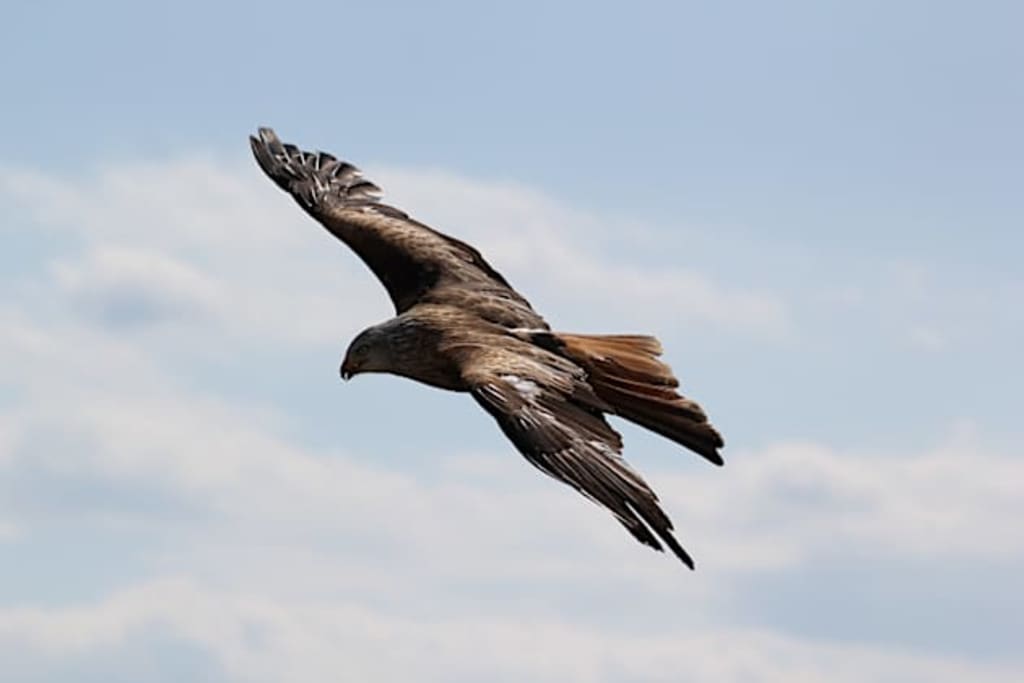
The Northern African country of Libya extends from the Mediterranean coastline to large areas of the Sahara Desert. Within the country are 87 species of mammals, 138 species of birds, 95 species of reptiles and various rodents, insects, and marine animals.
Official National Animal
The Arabian Eagle
This bird's image is seen on government documents and many other things.
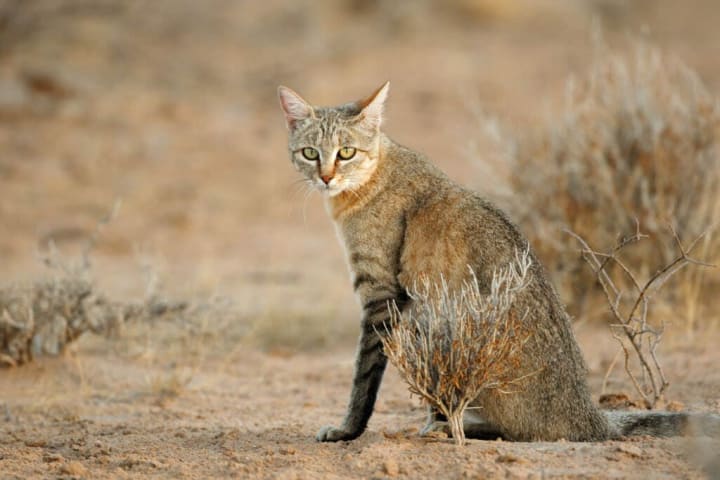
African wildcats are a small species of wild cats that are native to Afirca but can also be seen in Western and Central Asia.
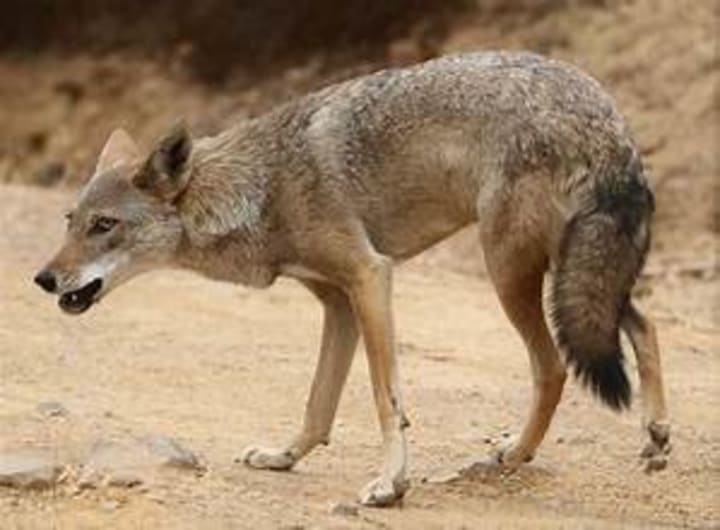
African wolves are a species of canine native to the northern half of Africa. They can be seen high above sea level and are predators that feed on mammals as large as gazelle fawns and invertebrates.
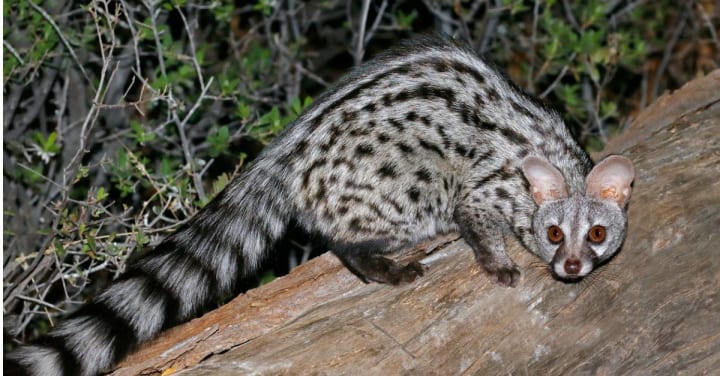
Common genets are a small species of viverrid that are native to Africa and have been introduced to the Balearic Islands and southwestern Europe. They can be seen anywhere north of the Sahara Desert in areas of dense vegetation. During the day common genets rest among thickets or in hollow trees. They come out at night to feed on small mammals, birds, lizards, and amphibians, among other food sources.
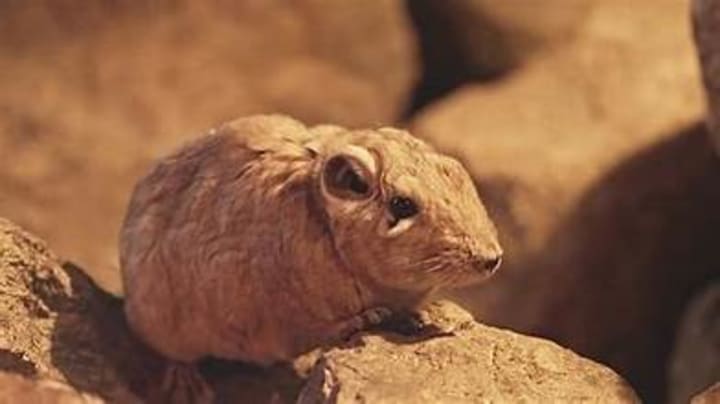
Common gundis are a species of rodents that are native to Libya, Algeria, Morocco, and Tunisia. These rodents resemble guinea pigs and live at elevations up to 2,900 m / 9,500 ft. They make theri homes in Libya in the far northwestern parts in rocky and arid places. They are active during the day. They forage for their food being herbivores.
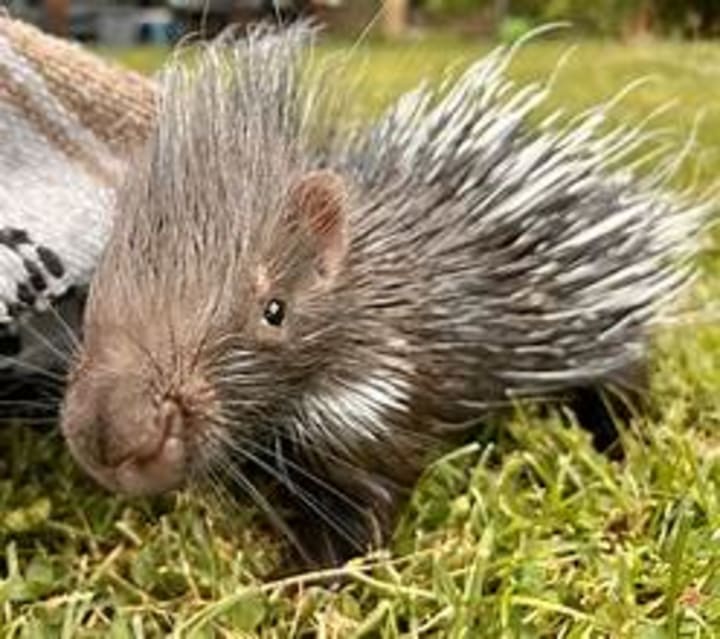
Crested porcupines are also referred to as the African crested porcupines. They are a large species of rodents that are native to North Africa, Italy, and sub-Saharan Africa. With their long quills they can defend themselves. These are among the largest rodents in the world and feed on roots, leaves, and bulbs.
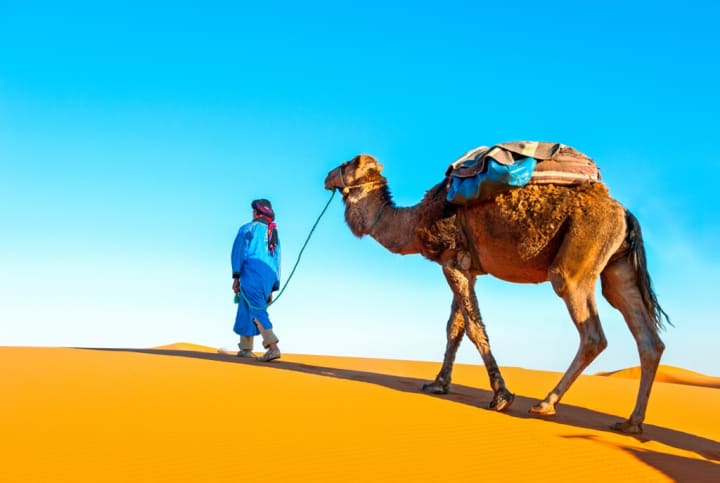
Dromedary camels are one-humped camels and a large species of ungulates native to North Africa and the Middle East. They have been introduced to central-western Australia.They have been widely domesticated, and are an important means of transportation in isolated areas.
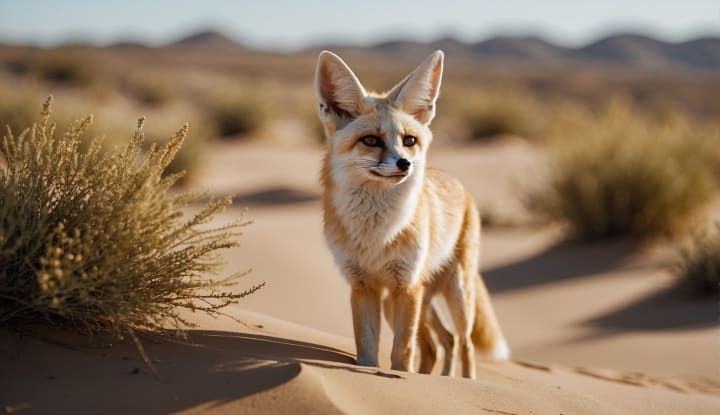
Fennec foxes are a small species of fox that are native to much of the Sahara Desert and Northern Africa. They have very large ears that help them dissipate the heat of the desert. These foxes are the smallest canids in the world. During the day they hide in their burrows.
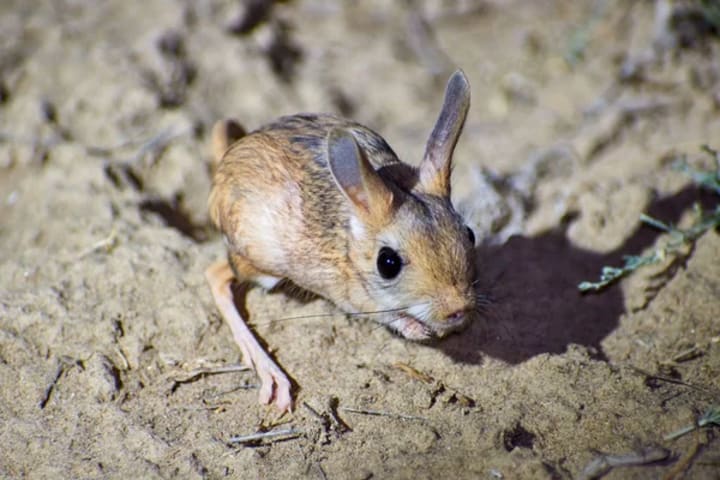
Four-toed jerboas are a species of rodents native to Libya and Egypt. They live in deserts and coastal salt marshes. These rodents have large hind legs and long tail they usde for balance. They feed at night on leaves, soft seeds, and grasses.
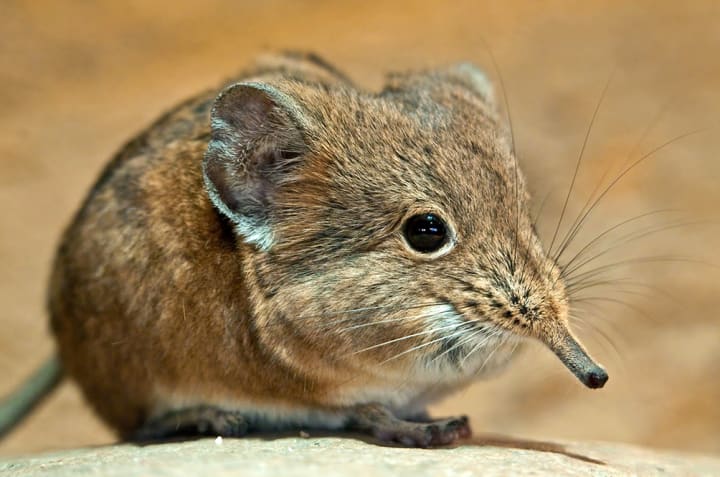
North African elephant shrews are also referred to as the North African sengis. These are a species of shrews that are native to Libya, Algeria, Morocco, and Tunisia. They have small bodies, long tails, and large ears. What gives them their name is their long, elephant-like snouts.
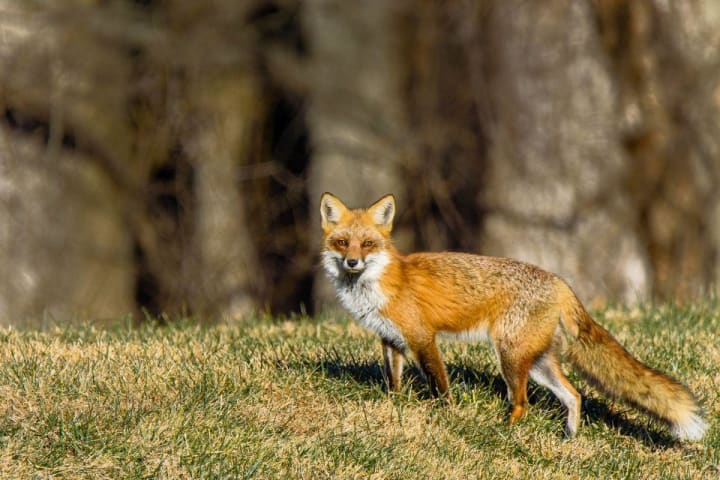
Red foxes are the largest species of true foxes and among the most widely distributed carnivores in the world. These foxes have a high adaptability and can also live alongside humans. They can be seen anywhere in the Northern Hemisphere, but also in the Middle East, southern Asia, and Australia.
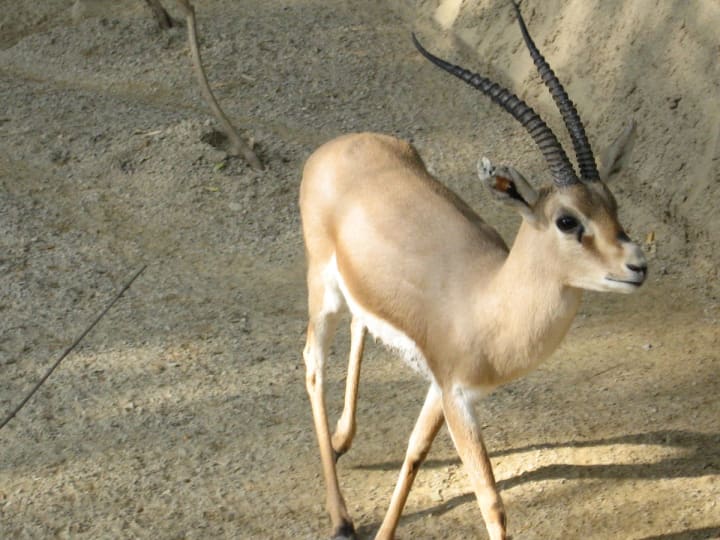
Rhim gazelles are also referred to as African sand gazelles and are adapted to desert habitats. They can be found around the Sahara Desert from Libya to Mali. Unfortunately, fewer than 2,500 individuals are left in the wild.
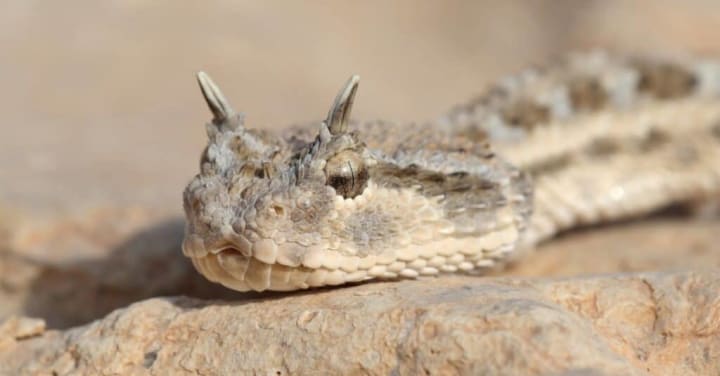
Saharan horned vipers are a species of venomous snakes native to the deserts of northern Africa as well as the Levant (Jordan, Israel, Lebanon, Palestine, and Syria) and the Arabian Peninsula. They have horn-like protusions on their heads. These snakes strike rapidly and hold their prey until the venom takes effect.
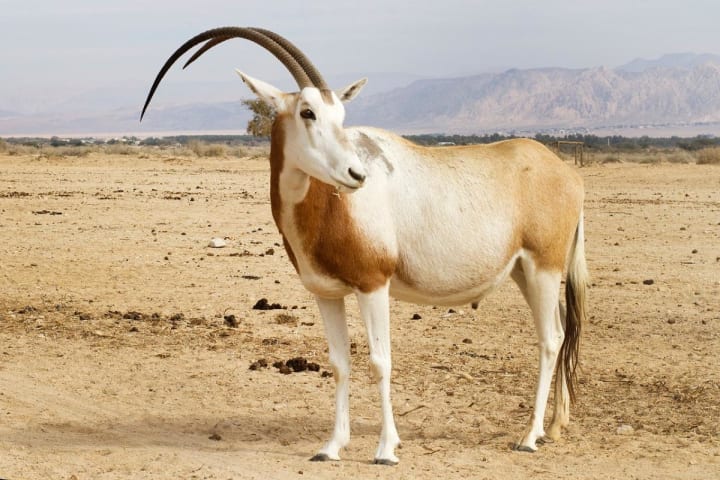
Scimitar oryxes are also referred to as Sahara oryxes. Since they were declared extinct in 2000 nore groups of them are being released back into the wild.
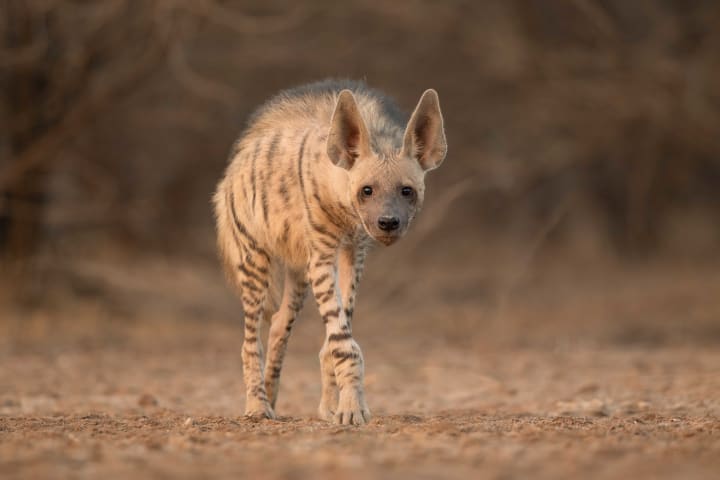
Stripped hyenas are a species of hyena native to northern and eastern Africa, the Caucasus, the Middle East, the Indian subcontinent, and Central Asia. Unfortunately, only fewer than 10,000 remain in the wild. These animals are scavengers but will also hunt for their own prey.
Birds
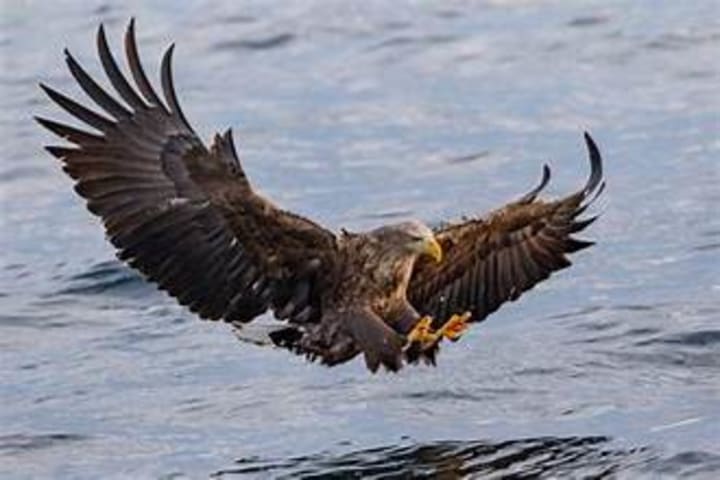
Golden eagles are a large species of birds of prey native to much of the Northern Hemisphere. These birds are among the most widely distributed species of eagles. They are incredibly agile, powerful, and quick and hunt prey such as hares, rabbits, ground squirrels, and marmots. They build their nests high up in cliff faces.
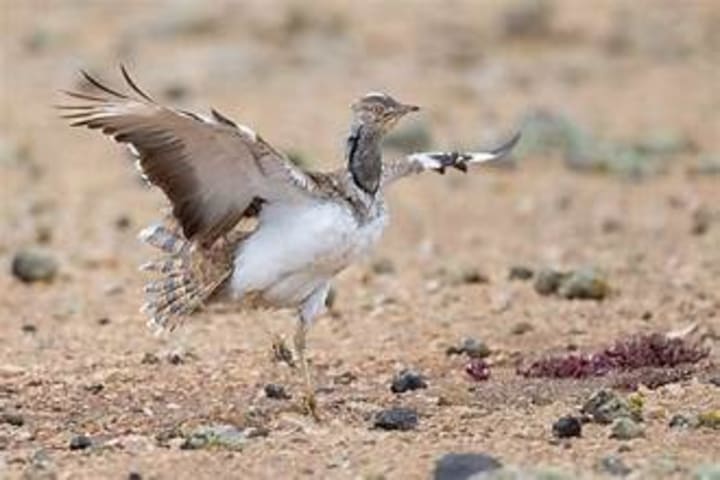
Houbara bustards are a small species of bustards native to North Africa. They are omnivores feeding on anything from seeds to insects to small creatures. They have been listed as vulnerable since 2014.
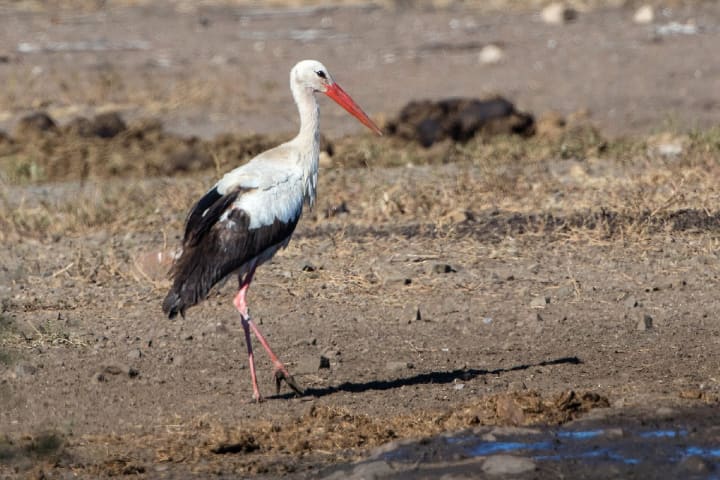
White storks are a large species of birds found in Europe, the Middle East, Asia, and Africa, depending on the season. They are migratory birds. These birds are carnivores and feed on a wide range of insects, amphibians, reptiles, and fish, as well as small mammals and birds.
Marine Animals
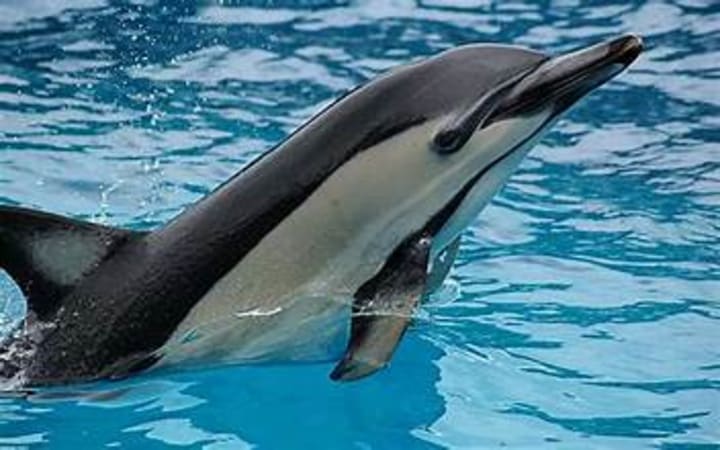
Common dolphins are the most widespread and common species of cetaceans in the world. They enjoy living in warm temperate and tropical waters and inhabit shallow, coastal areas.
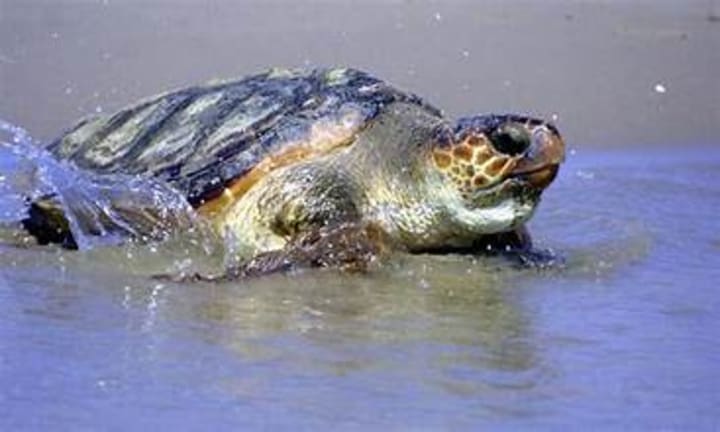
Loggerhead sea turtles are a species of oceanic turtle found in the Atlantic Ocean, the Mediterranean Sea, and parts of the Pacific and Indian Oceans. Female turtles come ashore to lay eggs. These turtles spend their lives in estuarine or saltwater habitats.
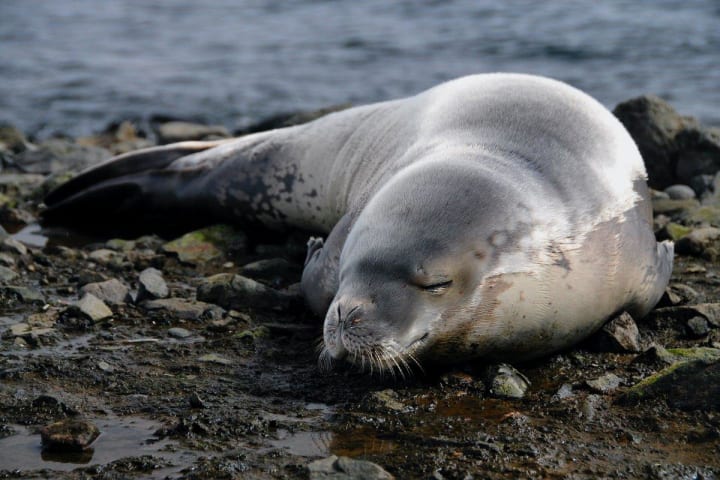
Mediterranean monk seals are known along the Libya coast. These seals feed on a wide variety of fish and mollusks, mostly octopus, eels, and squids. Unfortunately, there are fewer than 700 left in this world. These seals were mentioned in Greek mythology in "The Odyssey", where the sea god Proteus herds Mediterranean monk seals for Poseidon.
About the Creator
Rasma Raisters
My passions are writing and creating poetry. I write for several sites online and have four themed blogs on Wordpress. Please follow me on Twitter.
Keep reading
More stories from Rasma Raisters and writers in Earth and other communities.
When the Sky Splits Open: Living Through the Next Polar Vortex Collapse
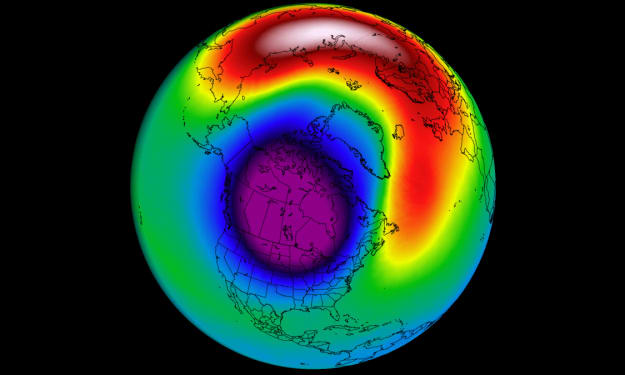
I remember the first time I learned what a “polar vortex” actually was. It was during that brutal winter of 2014, when the air outside made sound brittle and breathing almost felt like swallowing glass. The term had just entered the mainstream — a sleek, scientific label for a phenomenon that had been happening for eons but suddenly carried the power to dominate headlines and freeze half a continent in place. Now, a decade later, every forecast of a potential “vortex collapse” sets off the same chain reaction: social media panic, clickbait maps glowing blue, and a quiet dread that this time might be worse.
By Trend Vantage2 days ago in Earth
Canadian Backpacker’s Death Raises Hard Questions for Queensland’s K’gari
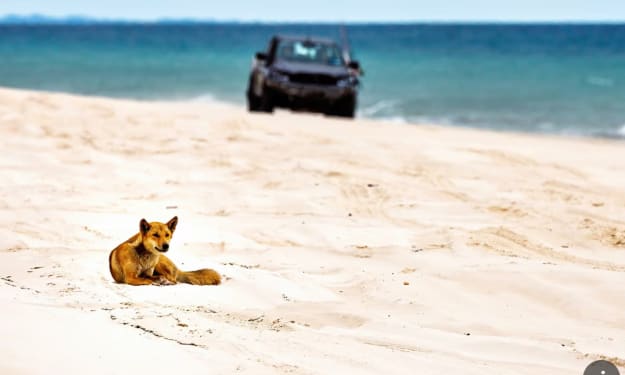
The tragic death of a Canadian backpacker on K’gari, the world-heritage-listed island off Queensland’s coast formerly known as Fraser Island, has reignited a difficult and emotional debate: can humans and dingoes safely coexist in a shared tourist space?
By Muhammad Hassan2 days ago in Earth
Affection and Healing for Yourself
During the night of the last quarter moon, I gathered my ritual supplies. I carefully handled the chunk of black tourmaline that would protect me from your overall negative and narcissistic energy. I carefully walked the house with my stick of selenite in hand, asking the universe to cleanse our working space.
By Alisha Wilkins ✒️🦋🖋️6 days ago in Fiction

Comments (1)
Very helpful, thanks!