

Bears belong to the Ursidae family. The International Union for Conservation of Nature or UCN recognizes eight bear species. These bears make their homes from the Arctic to the tropical rainforests.
Andean Bears
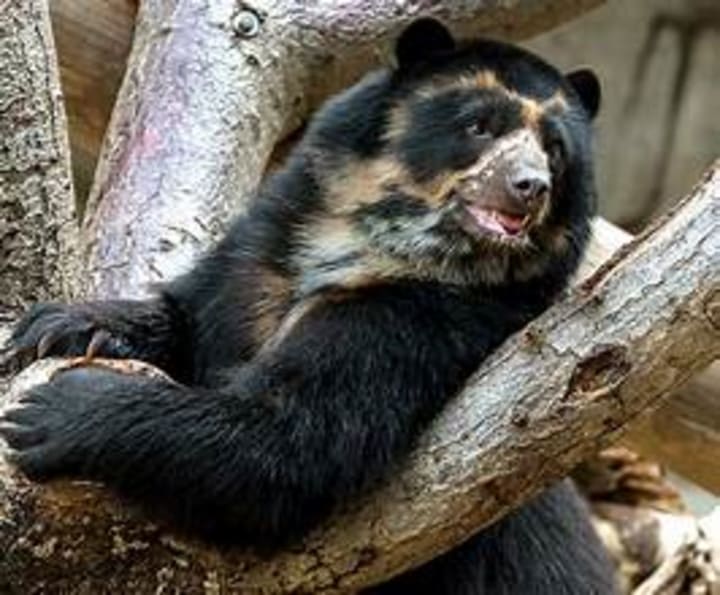
Andean bears make their homes in South America. They are distinguished from other bears by rings of white or cream fur aound their eyes and cheeks. With their coats being black or dark brown. These are shy bears and tend ot avoid human contact. Ecuador has the highest density of Andean bears. They are the only living species of bears native to South America, and the last remaining short-faced bears. They are omnivores and the most common foods for these bears include cactus, bromeliads,nuts, bamboo hearts, frailejon, orchid bulbs, fallen fruit on the forest floor, unopened palm leaves, and moss
Asian Black Bears
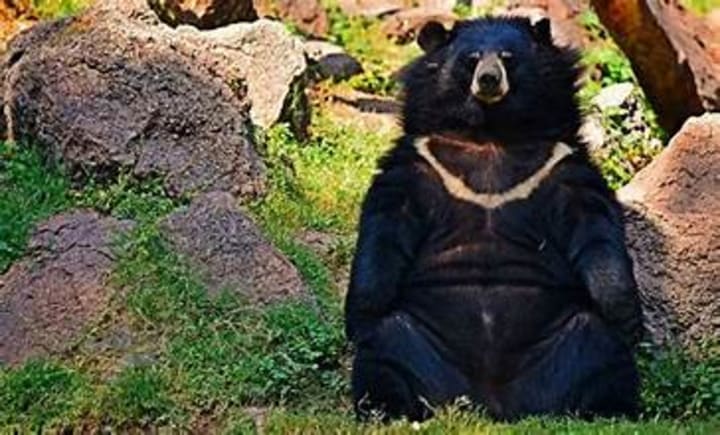
These bears can be seen from Iran across the Himalayan foothills to Southeast Asia, north through China to the Russian Far East. They have characteristic cream or white V-shaped collars and have the nicknam of moon bears. They are a medium-sized bear species native to Asia that is largely adapted to an arboreal lifestyle. They are good climbers of rocks and trees, and will climb to feed, rest, sun, elude enemies and hibernate. Asian black bears are omnivorous and feeds on insects, beetle larvae, invertebrates, termites, grubs, carrion, bees, eggs, garbage, mushrooms, grasses, bark, roots, tubers, fruits, nuts, seeds, honey, herbs, acorns, cherries, dogwood and grain
Black Bears
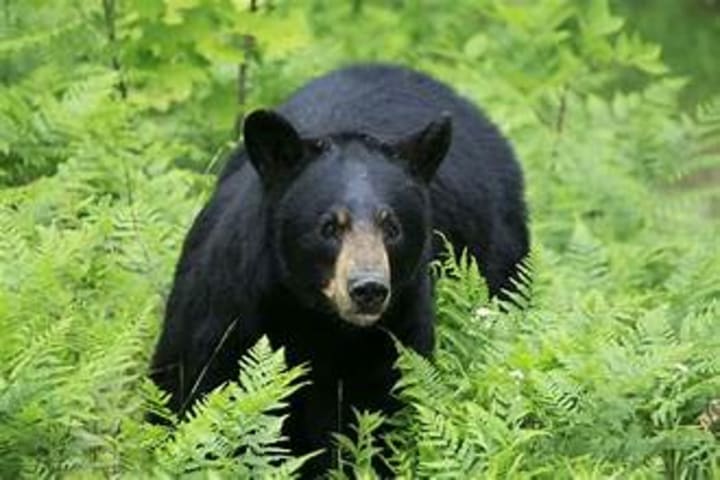
Black bears make their homes in North America. They are medium-sized bear and some can be blue-black or cinnamon colored. These bears weigh in at 250 kg They are omnivores spending their summers eating and winters sleeping.
Brown Bears

Brown bears are among the largest terrestrial carnivores in the world. They make their homes in the US, Canada, Europe, and Central Asia. Some brown bears might grow to be larger than other but weigh in at 80 to 600 kg. To keep from being hungry they spend a lot of time feeding in the summers. In the winter these bears become lethargic and retreat to their dens mostly in sheltered caves to hibernate however, they can be awoken from their winter sleep.
Glacier Bears
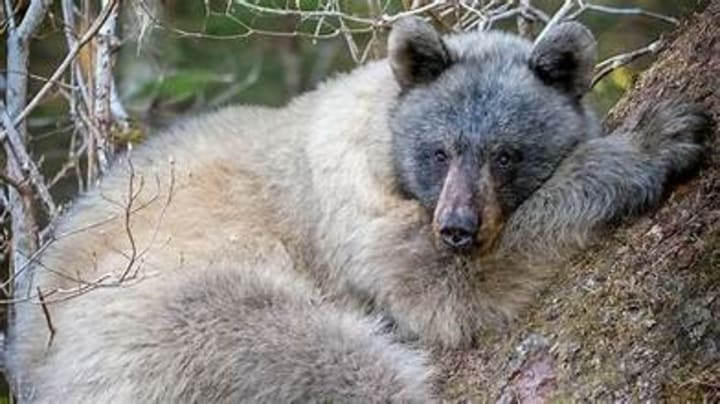
Glacier bears are also referred to as blue bears and are one of the rarest animals on Earth. These bears are only found in northern Southeast Alaska and some in Western Canada. Their fur ranges from silvery blue to gray. Glacier bears prefer forest with thick under-story and landscapes with abundant vegetation, but can be found in urban populated areas. They move between forest, meadows, streams, and mountains in search of food and shelter. In early winter they retire to their dens.
Cinnamon Bears
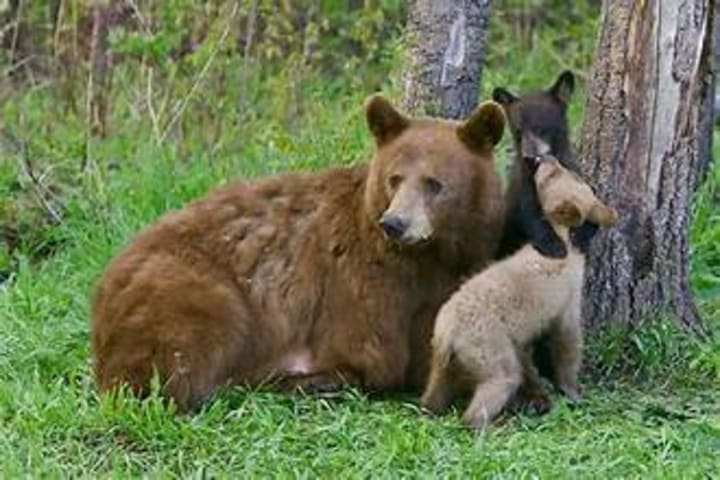
Cinnamon bears have brown or reddish-brown fur and live in and around the Rocky Mountains. Cinnamon bears are omnivorous. Their diet includes fruit, vegetation, nuts, honey, and occasionally insects and meat, varying from other subspecies because of regional habitat differences. Cinnamon bears are excellent climbers, good runners, and powerful swimmers.
Giant Pandas
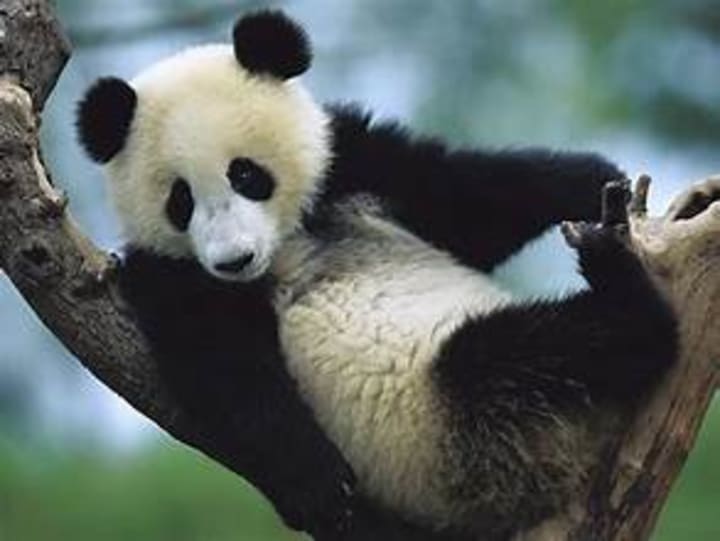
Giant pandas are the rarest bear species and they are also among the most endangered mammals on Earth. These bears are herbivors and a large part of their diet consists of bamboo. They spend about 14 hours a day eating. They are a a bear species endemic to China. These bears are white with black patches around their eyes, ears, legs and shoulders.
Grizzly Bears
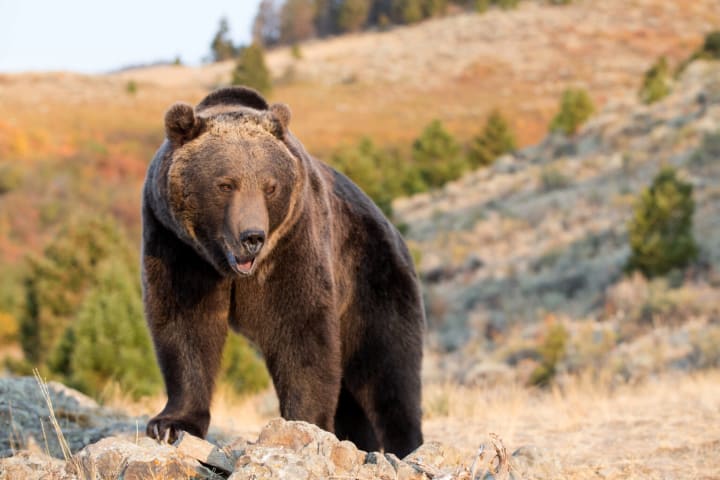
These bears were named for the grizzly appearance of their coats. Since then, brown bears in North America have been known as grizzlies. The best places to see these bears are the Alaskan Peninsula. With about 60,000 wild grizzlies in North America, half make their homes in Alaska. These are huge bears with males weighing in at almost 400 kg.
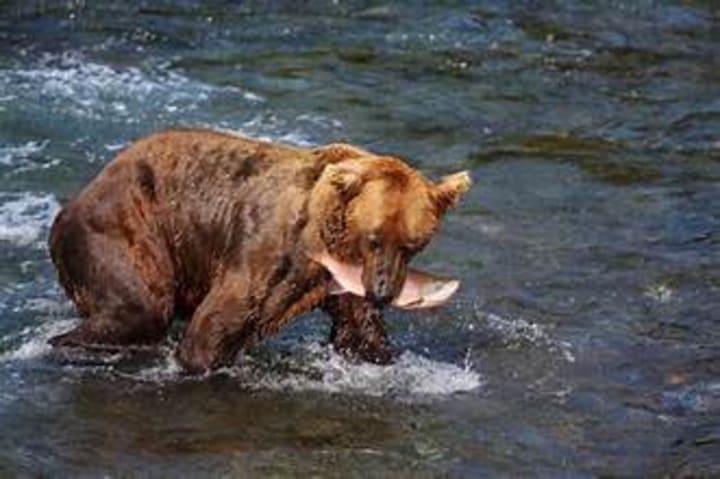
In Alaska grizzly bears enjoy fishing for salmon at Brook Falls.
Kodiak Bears

Kodiak bears live on the islands of the Kodiak Archipelago in Alaska. These are huge bears weighing in at anywhere from 300 to 600 kg. They survive on fish and other prey and retreat to their dens in the winter.
Polar Bears
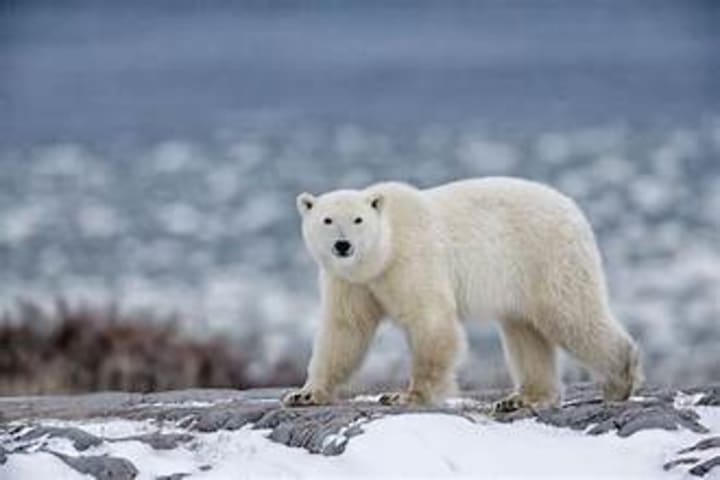
Polar bears are among the two largest types of bears on Earth the others are Kodiak. A male bear can weigh in at around 800 kg These bears live in the ice-covered waters of the circumpolar Arctic and are well adapted to their conditions. They are insulated by a layer of fat up to 11.4 cm thick. These bears are both terrestrial and pagophilic (ice-living) and are considered marine mammals because of their dependence on marine ecosystems. They prefer the annual sea ice but live on land when the ice melts in the summer. They are mostly carnivorous and specialized for preying on seals, particularly ringed seals.
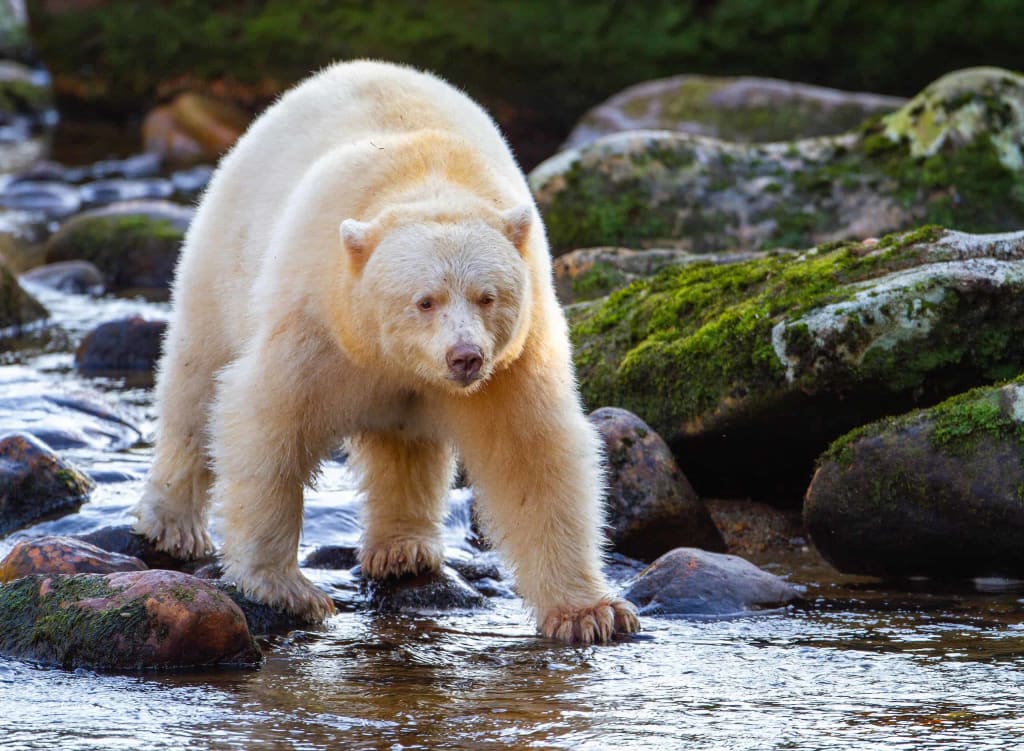
Spirit Bears (Pictured above)
Spirit bears are cream or white-colored and inhabit the Great Bear Rainforest in British Columbia, Canada. You can see them on the islands of Gabriel, Princes Royal, and Roderick. They dine on salmon, berries, and vegetation.
Sun Bears

Sun bears are the smallest bear species and weigh in at less than 50 kg They have short black coats that keep them cool in tropical heat. Mostly they can be found in the tropical forests of Southeast Asia. These bears are stockily built, with large paws, strongly curved claws, small, rounded ears and a short snouts. Their coats are short and jet black but can vary from gray to red. Sun bears get their name from its characteristic orange to cream-colored chest patch. Sun bears are omnivores and feed on a broad variety of items, such as ants, bees, beetles, honey, termites, and plant material such as seeds and several kinds of fruits.
About the Creator
Rasma Raisters
My passions are writing and creating poetry. I write for several sites online and have four themed blogs on Wordpress. Please follow me on Twitter.
Keep reading
More stories from Rasma Raisters and writers in Earth and other communities.
Pick Your Favorite Seal
Seals are semi-aquatic mammals in the order Carnivora. They differ in size from 3 ft 3 in for Balkan seals and 16 ft for southern Elephant seals. Their four limbs are flippers and when compared to dolpins, seals are more agile and flexible. Most seal species inhabit the cold waters of the Southern and Northern Hemispheres. They mate and give birth on the shores.
By Rasma Raisters7 months ago in Earth
Hotel Giant Collapses into Administration — 8,300 Employees Affected
In a shocking turn for the European hospitality sector, Revo Hospitality Group, one of the continent’s largest hotel operators, has filed for insolvency, putting about 8,300 jobs at risk. The move comes amid mounting financial pressures, rising costs, and an unstable post-pandemic market for travel and tourism.
By Aarif Lashari6 days ago in Earth
Rage
Content Warning: Domestic Violence, Assault Rage D. A. Ratliff “Who did this?” My voice echoed through the house. All I wanted was a cup of tea, but one of the twins, running through the house like maniacs, knocked it over. My nerves tingled, and every muscle in my body felt coiled like a spring. Survival seemed out of reach.
By D. A. Ratliff7 days ago in Fiction




Comments (1)
Loved this cozy journey through the world of bears! Each species felt like its own fascinating character. The spirit bear was especially magical