
6.2-Magnitude Earthquake Strikes Indonesia, No Tsunami Warning Issued
A powerful 6.2-magnitude earthquake strikes Indonesia, shaking coastal regions but triggering no tsunami alert, officials confirm.

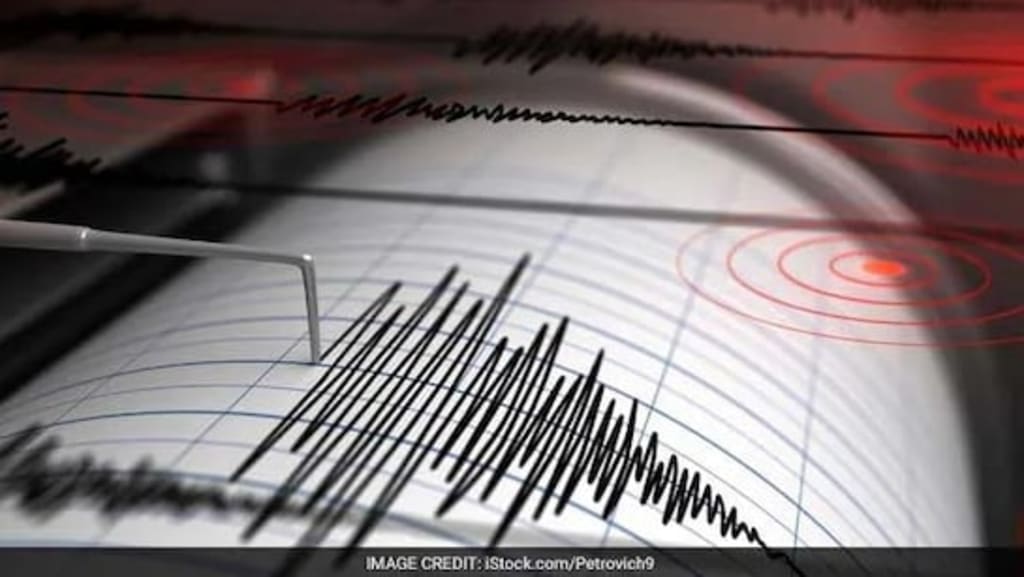
Indonesia, a country known for its breathtaking landscapes but also its volatile seismic activity, experienced another powerful jolt as a 6.2-magnitude earthquake struck early this week. While the quake shook large portions of the region and left residents scrambling to safety, officials have confirmed that no tsunami warning was issued. The incident has once again highlighted Indonesia’s vulnerability to earthquakes due to its location on the Pacific “Ring of Fire,” where tectonic plates frequently collide.
The sudden nature of the quake and its strong intensity created moments of panic, but timely communication from disaster management authorities helped prevent widespread fear. As rescue teams continue to monitor the situation, early assessments offer both relief and important lessons for future preparedness.
A Sudden Tremor That Shook Entire Communities
According to Indonesia’s Meteorology, Climatology, and Geophysical Agency (BMKG), the earthquake struck at a magnitude of 6.2, with its epicenter located at a moderate depth beneath the earth’s surface. Residents in nearby cities reported feeling buildings sway, windows rattle, and household items fall from shelves.
Many described the moment as a “sharp, strong vibration” lasting several seconds — long enough to create fear, but mercifully short enough to avoid massive destruction.
People rushed out of homes, shops, and offices, gathering in open spaces as aftershocks were anticipated. In several areas, electricity briefly flickered before being restored. Emergency sirens did not sound, as the BMKG quickly confirmed that the quake did not pose a tsunami threat.
Why No Tsunami Warning Was Issued
Indonesia’s disaster authorities emphasized that, despite the strength of the quake, its depth and location made a tsunami unlikely.
A tsunami typically requires strong vertical motion beneath the sea floor, often triggered by shallow, undersea earthquakes. In this case, the quake’s characteristics did not meet the required criteria. The agency reassured the public that coastal areas remained safe and that monitoring systems were fully active.
This announcement brought a sense of relief to communities still scarred by past tragedies — most notably the 2004 Indian Ocean tsunami, which devastated parts of Indonesia and remains one of the deadliest natural disasters in modern history.
Initial Damage Reports and Emergency Response
Early assessments and field reports show light to moderate structural damage in some buildings, particularly older ones. Cracks in walls, damaged roofs, and fallen debris were observed in several neighborhoods. However, the overall impact appears significantly less severe than initially feared.
Emergency response teams were deployed immediately, checking infrastructures such as bridges, hospitals, and schools. Thankfully, most essential services remained operational.
Local authorities also activated community shelters as a precautionary measure, offering temporary refuge for those afraid to return home due to aftershock concerns.
A Region Familiar With Natural Disasters
Earthquakes are a constant reality for Indonesia. Sitting atop multiple intersecting tectonic plates makes the archipelago one of the most seismically active nations on Earth. From mild tremors to high-magnitude quakes, the country experiences thousands of seismic events each year.
However, improved technology and preparedness have strengthened Indonesia’s response capabilities. Early warning systems, regular earthquake drills, and enhanced public awareness campaigns have helped reduce casualties in recent years.
This latest quake serves as another reminder of the importance of continuous investment in disaster readiness — especially in densely populated regions.
---
Community Reaction and Social Media Response
Within minutes of the quake, social media platforms flooded with videos and updates from residents. Clips showed ceiling lights swaying, crowds gathering outside apartments, and families hugging each other in fear.
Despite the initial shock, many praised the government’s swift communication regarding the absence of a tsunami threat. Clear, fast updates helped calm public anxiety and prevent misinformation from spreading.
Communities also displayed resilience, supporting one another and checking on vulnerable neighbors, reflecting the strong social bonds that often emerge during natural disasters.
Experts Warn: Remain Prepared
Seismologists continue to monitor aftershocks, which are common after a quake of this intensity. Experts urge residents to:
Stay alert
Follow official instructions
Avoid damaged structures
Keep an emergency kit ready
Stay updated through verified sources
Indonesia’s disaster agencies emphasize that preparedness should remain a top priority, as seismic activity is expected to remain high throughout the region.
Conclusion
The 6.2-magnitude earthquake in Indonesia, though powerful, fortunately did not trigger a tsunami and caused limited damage compared to past seismic events. The rapid response from authorities and the calm cooperation of the public played a crucial role in minimizing panic.
As Indonesia continues to face the realities of living in a geologically active zone, events like these serve as reminders of both the challenges and the resilience of its people. With continued preparedness and strong communication systems, the nation remains committed to protecting lives and reducing disaster risks.
About the Creator
Asad Ali
I'm Asad Ali, a passionate blogger with 3 years of experience creating engaging and informative content across various niches. I specialize in crafting SEO-friendly articles that drive traffic and deliver value to readers.


Comments
There are no comments for this story
Be the first to respond and start the conversation.