
Ethiopia Volcano Eruption: Ash Clouds Spread Across Regions and Disrupt Daily Life.
A rare volcanic awakening sends massive ash plumes across East Africa and beyond.

Introduction
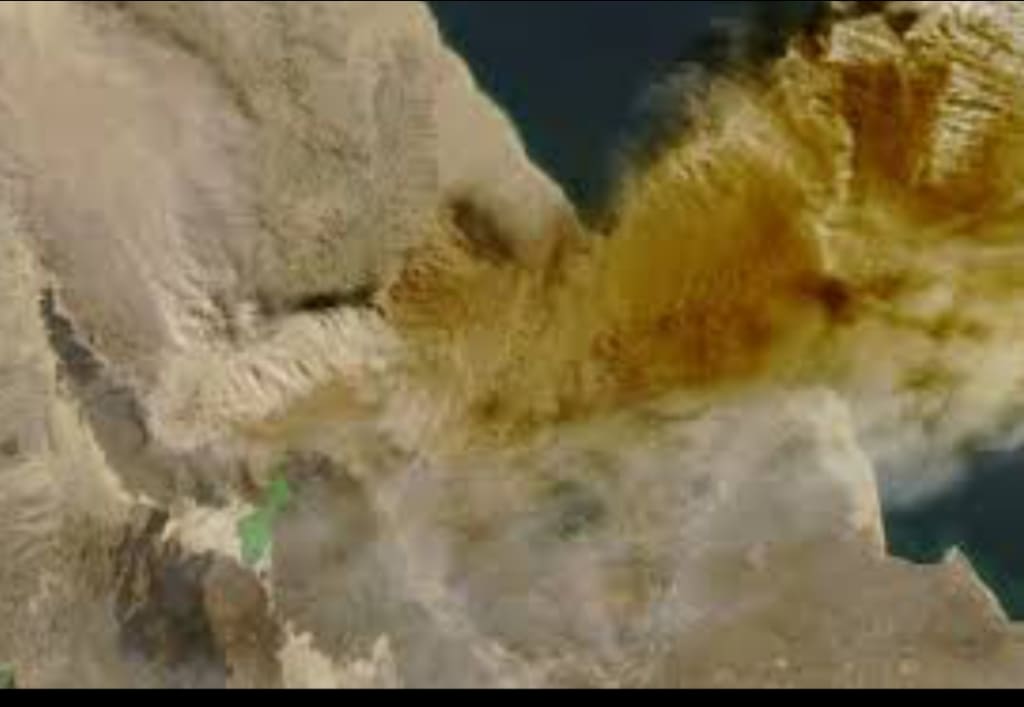
A powerful volcanic eruption in northern Ethiopia has captured global attention after sending massive plumes of ash high into the sky and disrupting communities, travel, and daily life across multiple countries. The eruption came from the Hayli Gubbi volcano, a site that had not shown recorded activity for thousands of years. As ash spread across Ethiopia and drifted over the Red Sea toward the Middle East and South Asia, the event highlighted both the unpredictability of nature and the widespread impact a single volcanic event can have.
This article breaks down what happened, who is affected, and why this eruption is significant.
A Rare Eruption After Thousands of Years
The Hayli Gubbi volcano, located in Ethiopia’s Afar region, is part of the geologically active East African Rift Valley, a stretch of land where tectonic plates slowly pull apart. While volcanic activity is common in the region, Hayli Gubbi stood out because it had remained dormant for nearly 12,000 years.
Its sudden awakening released towering columns of ash—rising nearly 14 kilometers into the atmosphere—becoming one of the most dramatic volcanic moments Africa has witnessed in recent decades. The scale of the eruption instantly raised concerns about aviation, air quality, and the safety of nearby communities.
Ash Clouds Spread Across Borders
Volcanic ash, unlike ordinary smoke, contains tiny particles of rock and glass that can spread quickly through high-altitude winds. In this eruption, the ash did not stay confined to Ethiopia. Strong winds carried it across the Red Sea, affecting skies over Yemen, Oman, and reaching as far as India and Pakistan.
This long-distance travel of ash highlights how volcanic events in one region can influence weather, visibility, and air quality in countries thousands of kilometers away.
Impact on Local Communities
The communities closest to the volcano—particularly small villages in the Afar region—faced immediate challenges. Thick layers of ash blanketed homes, grazing lands, and water sources.
Effects on Daily Life Included:
Reduced visibility, making roads unsafe.
Respiratory irritation caused by fine ash particles.
Livestock grazing disruption as ash covered pastures.
Contaminated drinking water, requiring filtering or boiling.
Although no major casualties were reported, the long-term impact on farming and livestock could pose serious economic challenges for families who depend on herding and agriculture.
Tourism Setbacks in the Danakil Desert
The Afar region is known for its extreme landscapes, including the famous Danakil Depression—often called one of the hottest places on Earth. Tourists visiting this region found themselves stranded as ash and dust blocked roads and reduced visibility. Local guides reported cancelled tours, delayed travel routes, and safety concerns for visitors.
The Danakil tourist economy temporarily slowed down as authorities worked to clear roads and monitor ash levels.
Global Aviation Disruptions
Volcanic ash poses a serious threat to airplanes, as the particles can melt inside aircraft engines, damage sensors, and reduce visibility. Following the Ethiopia eruption:
Multiple international flights were cancelled or rerouted, especially routes crossing the Arabian Peninsula.
Airlines in India and other Asian regions also issued advisories.
Passengers experienced delays as air traffic control agencies assessed the ash cloud's movement.
This disruption served as a reminder of past volcanic events—such as the 2010 Iceland eruption—that halted global aviation for weeks.
Environmental and Health Risks
Volcanic ash affects both the environment and public health. For humans, inhaling ash can irritate the lungs, eyes, and throat—especially for people with asthma or respiratory conditions. Communities were advised to stay indoors, use masks, and keep water sources covered.
Environmentally, ash can:
Alter soil composition
Affect plant growth
Pollute water streams
Harm wildlife
In regions dependent on livestock, ash-contaminated grazing areas are a major concern. Authorities began assessing long-term environmental impacts as ash continued settling across the region.
Why This Eruption Matters
This event is significant not only because the volcano had been dormant for thousands of years but also because of the scale of ash dispersal. It reveals how interconnected our world is: an eruption in Ethiopia can affect air travel and sky conditions halfway across Asia. It also highlights the importance of strong monitoring systems in geologically active regions.
Scientists believe more research is needed to understand whether regional climate changes or tectonic shifts triggered the eruption.
Conclusion
The Ethiopia volcano eruption and the massive ash clouds it produced offer a powerful reminder of the force of nature. While local communities face the immediate challenges of ash-covered homes, grazing lands, and health risks, the global impact—from aviation disruptions to drifting ash over multiple continents—shows how far-reaching a single eruption can be. As experts continue to study the event, it underscores the importance of preparedness, early warning systems, and global cooperation in responding to natural disasters.
About the Creator
Asad Ali
I'm Asad Ali, a passionate blogger with 3 years of experience creating engaging and informative content across various niches. I specialize in crafting SEO-friendly articles that drive traffic and deliver value to readers.
Microsoft's Purposeful Marketing Deception About AI's Ability To Beat Physicians In Diagnosis
When you look at the world of scientific research... If you are not careful... You will be fooled into believing things that are not actually supported by the data.
By Dr. Cody Dakota Wooten, DFM, DHM, DAS (hc)a day ago in Longevity


Comments
There are no comments for this story
Be the first to respond and start the conversation.