
Dissection: Letter to the Past
Tell me, I'll find you there.

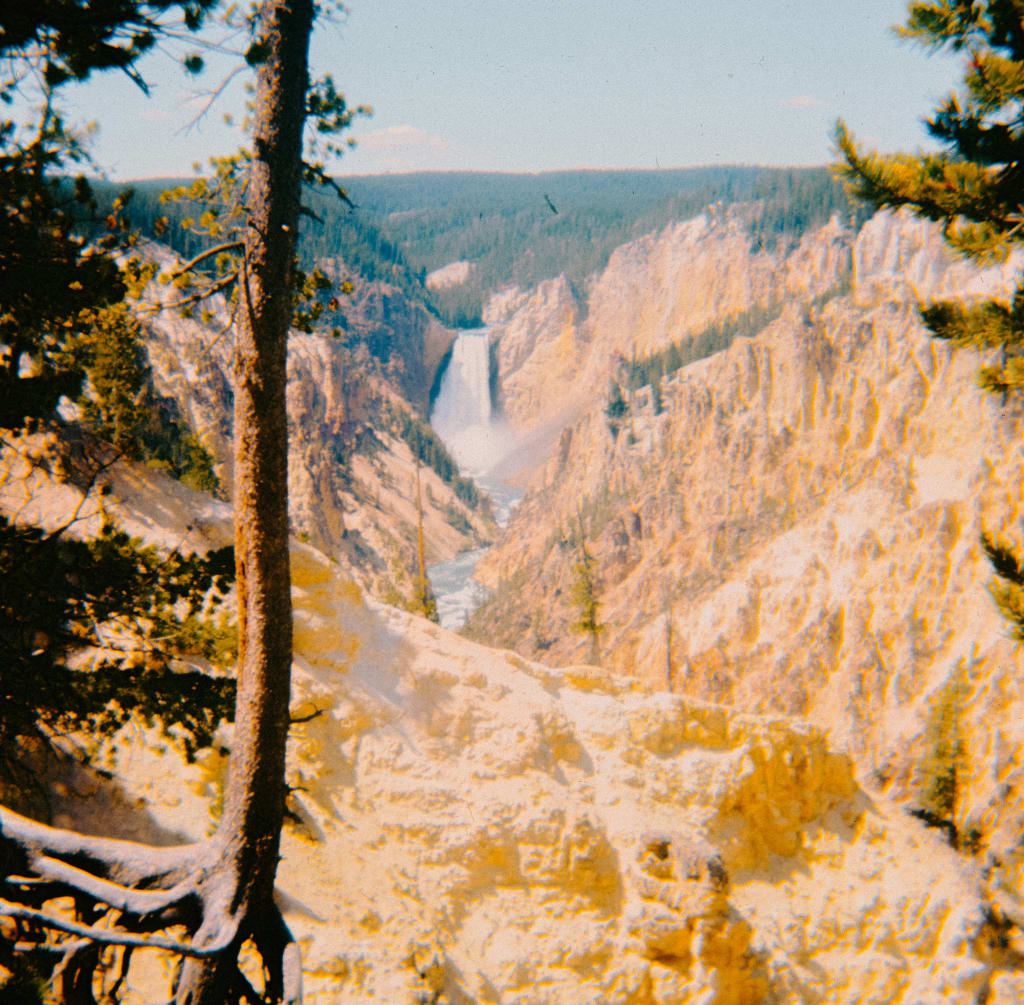
When I first wrote this piece, I was trying to capture memory, grief, and the way the past lingers—how it resurrects itself in recollection, and how, in doing so, it leaves the one who remembers stranded. There’s a kind of desolation in being the one left to remember. In the first draft, I took a safer approach. I knew I had to take risks, but I hesitated—afraid of sounding too emotional, too juvenile. And yet, I was drawn to that desperation, the need to keep someone alive through memory. That tension—between restraint and urgency—was something I wanted to explore more deeply.
This piece was heavily inspired by the song Thomas by Laura Gibson. In it, she sings: "Time bends us, back to when you're the young man / I see you in the sleeping or / Or I find I am distracted by your innocence gone / Take a life, just to make a new death, honey / I still don’t know where you've gone, come on / Tell me, I'll find you there.”
First Draft
Thomas,
Remember when we fell into the creek? Clothes stuck to our skin, and we stood there, dripping, laughing, like we had been made of water. It felt like something new, like baptism.
We kept telling each other the same stories, like we weren’t both there when they happened. But we wanted to hear them again, to make sure they were still real.
That night, in the field, the wind moved through the grass, and the fireflies blinked like little stars. You asked me what I saw. I said, "I could lie endlessly here and listen to the wind repeating itself”
I wonder if you remember us-if at all-not as lost—as wind moving the branches of the trees
I’ve made it to Clavijo. It rained. I write this letter, but maybe it’s just for me. I keep talking to you. I’m a woman talking to you, always. Let me be near, let me lie down in the churned up earth.
In this last meeting place, searching your pulse through words,
I lodge in my own breath.
Edit
Thomas,
Do you remember the day we fell in the creek? Wet creatures— clothes clinging to our skin. We stood as though we had been born from the water. And perhaps it had been some sort of rebirth. Do you remember how we retold each other the same stories? As though the other had not been there. And how one night, wading through a dark sea of long grass, we found fireflies blinking on and off cross the open field.
We became the grasses of the field.
You asked, “What do you see?”
“I could lie endlessly here and listen to the wind repeating itself”
Remember us-if at all-not as lost—
as wind moving the branches of the trees
Isn’t it great to have had a childhood together?
I made it to Clavijo, exhausted, aching, full of mountains
It rained,
“It rained,” the letter says,
I know this letter will return to me
I am a woman talking to you
all of the time,
insistent.
Let me be nearer, let me lie down in the churned up earth.
In this last meeting place,
searching your pulse through words,
I lodge in my own breath.
At 27, I find myself reckoning with memory loss and understanding grief more intimately.
I wanted to be honest and vulnerable without feeling sacrificial or exploitative, but I couldn’t quite figure out how to do that. So I let the piece ferment. When I returned to it, I read it aloud and tried to find its sound—not in terms of rhyme or strict rhythm, but in how the words pulsed, how they moved. I revised based on that feeling. I’d love to say it was entirely intentional—that I deliberately broke syntax—but really, it was about listening to myself, deciding I didn’t like how this sounded, and asking, “How do I want to say this?” I was searching for the pulse of the words. I was also heavily informed by the “feeling”—Does this feel like memory?
The first draft leaned toward linear storytelling, but I realized I was forcing myself into a mold that didn’t suit the piece. I broke conventional syntax in places, letting the punctuation, or lack thereof, reflect the fragmented and sometimes incoherent nature of memory and grief. Grief has a way of pulling you out of time’s rhythm—of making you feel both inside and outside of it simultaneously. I wanted the piece to carry that same sense of disorientation—something dreamlike, something ghostly. The speaker knows the letter will never reach Thomas. And I’m not sure there even is a letter. The omission of certain details—like whether the letter even exists—was a deliberate choice to keep the piece from feeling too concrete or contained, reflecting the elusive nature of memory and grief.
The second draft felt truer to my tone. I don’t know if I’ve reached a “final version,” but I do know I like where the exploration is heading—toward the act of remembering itself. Through the edits, I got closer to the emotions. Again, I don’t know if I’ve arrived where the words want to take me, but for now, the risks I took—letting sound and feeling guide the revision—feel right.
About the Creator
Monica Theresa
And the past as a form of borrowing
Keep reading
More stories from Monica Theresa and writers in Critique and other communities.
Way to go, Zoh!
Leaning her forehead against the cold, shiny windowpane, Zohra gazed longingly at the neighbor’s yard. Her favorite willow tree stood there, free. She sighed audibly. There was a moment—a pause—during which her grandfather stopped typing on his typewriter, and she sighed again, this time turning to him with the saddest face she could muster. Her lips quivered at the corners, her eyes downcast.
By Monica Theresa10 months ago in Humor
Standing While Falling
Quotation from Friedrich Nietzsche "He who wrestles long with monsters should beware lest he himself become a monster. And if you gaze long into an abyss, the abyss also gazes into you. Man is not destroyed by suffering, but by the meaning he makes of it."
By LUCCIAN LAYTH5 days ago in Critique
Countdown to Pearl Harbor: The Twelve Days To The Attack
Countdown to Pearl Harbor: The Twelve Days To The Attack by Steve Twomey I really wasn’t expecting much of this read; I grabbed it while I was at Pearl Harbor because how could I not get a book while I was there?
By Matthew J. Fromm4 days ago in Critique


Comments (2)
Excellent story ✍️🏆⭐️⭐️⭐️🌺
I love your descriptions. You’re so wet it feels like you’re made of water! Fantastic