
The Trafficking of Human Organs and Flesh in Libya, Tunisia, and Egypt: A Worsening Human Crisis
The Trafficking of Human Organs and Flesh in Libya, Tunisia, and Egypt: A Worsening Human Crisis

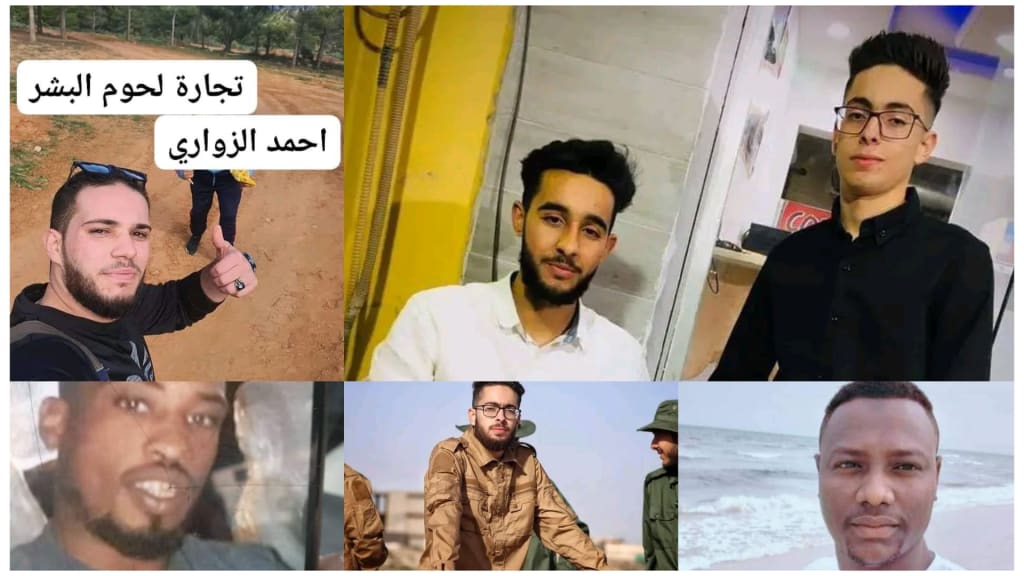
**The Trafficking of Human Organs and Flesh in Libya, Tunisia, and Egypt: A Worsening Human Crisis**
Human organ and flesh trafficking is one of the most heinous crimes threatening humanity. This illegal phenomenon causes numerous humanitarian and ethical crises. In recent years, this issue has made headlines in North Africa, particularly in Libya, Tunisia, and Egypt, where political and economic crises have significantly impacted security situations.
**The Historical Context of the Phenomenon in North Africa**
Trafficking of human organs and flesh is not new to North Africa, but it has become more visible and prominent in the media with the increasing political instability and turmoil. In Libya, following the revolution that toppled Gaddafi’s regime in 2011, the country experienced a collapse in security and judicial institutions, creating an environment for illegal activities and criminal enterprises to proliferate. This situation provided an opportunity for criminal networks to expand and operate in increasingly dangerous and overt ways.
In Tunisia, while it has been less affected by security chaos compared to Libya, economic and social challenges have led to increased poverty and unemployment, making some individuals more susceptible to exploitation and extortion by criminal networks.
**Mechanisms of Trafficking and Victims**
Human organ and flesh trafficking relies on a complex chain of illegal activities, including the abduction of individuals, organ trafficking, and the sale of human flesh. In this context, vulnerable individuals, such as refugees, undocumented migrants, and the poor, are primary targets for these networks.
In Libya, criminal groups often abduct individuals from refugee centers or remote areas, where they are held under harsh conditions before being killed or having their organs sold. Violence and coercion are used to ensure the silence of victims and prevent the exposure of the crime. Extracted organs are smuggled to black markets, where they are sold at high prices to the wealthy in other parts of the world.
In Tunisia, reports suggest that organ trafficking occurs through more sophisticated methods, with networks exploiting individuals facing economic crises. These individuals are lured with false promises of employment or financial assistance and then coerced into donating their organs for a meager sum or under threat.
**Causes and Contributing Factors**
Several factors contribute to the spread of organ and flesh trafficking in Libya, Tunisia, and Egypt. These include:
1. **Poverty and Unemployment:** Economic crises make some individuals vulnerable to exploitation by trafficking networks. Financial desperation drives some people to make desperate decisions, including selling their organs.
2. **Political and Security Instability:** In Libya, the security vacuum and institutional weakness have created an environment where criminal networks can operate freely. The absence of effective state control has allowed these groups to spread.
3. **Low Awareness:** Many people lack sufficient awareness about the dangers of organ trafficking, making it easier for criminals to deceive and exploit them.
4. **Weak Legal Framework:** In some cases, laws and regulations are ineffective or nonexistent, leaving victims without the necessary legal protection.
**Efforts to Combat the Crime**
Local and international authorities are working to combat organ and flesh trafficking through various measures. In Libya, some NGOs and international agencies have collaborated with local authorities to fight this criminal activity. Efforts include enhancing international cooperation, improving police capabilities, and strengthening human rights protection laws.
In Tunisia, authorities are working to improve the justice system and cooperate with international organizations to combat organized crime. Efforts focus on increasing awareness programs and providing support to potential victims. Authorities are also working to improve coordination with neighboring countries and other nations to address cross-border criminal networks.
**Future Challenges**
Despite ongoing efforts, organ and flesh trafficking remains one of the greatest challenges facing Libya, Tunisia, and Egypt. Key challenges include:
1. **Increasing Demand for Organs:** The rising demand for human organs in black markets encourages the continuation of these crimes.
2. **Difficulties in Gathering Evidence:** Weak evidence and the lack of testimonies due to threats from gangs complicate the investigation and prosecution of offenders.
3. **Limited Funding and Resources:** Authorities may struggle to allocate sufficient resources to effectively combat these criminal activities.
**Conclusion**
The trafficking of human organs and flesh in Libya, Tunisia, and Egypt represents a serious humanitarian crisis that requires an urgent and comprehensive response. Effective action involves improving international coordination, enhancing local institutional capacities, and increasing public awareness to combat this horrific phenomenon effectively. Combating this gruesome crime requires a strong commitment from all concerned parties to protect human rights and ensure justice for victims.
About the Creator
Reader insights
Nice work
Very well written. Keep up the good work!
Top insights
Heartfelt and relatable
The story invoked strong personal emotions
On-point and relevant
Writing reflected the title & theme
A $600 Car That Became a Trap
A $600 used Chevrolet Monte Carlo sat in a parking lot at Chicago O’Hare International Airport long enough to turn into a six figure problem. By the time the situation became public, the car had been cited a record 678 times and the balance attached to it was reported at more than $106,000. The person whose life was upended was not the person accused of abandoning the vehicle, but the woman whose name was on the registration: Jennifer Fitzgerald.
By Rare Stories6 days ago in Criminal


Comments (1)
Awesome piece