
Global Implications If Nuclear Command Systems Weaken
How internal instability inside major powers can threaten global peace


Global Implications If Nuclear Command Systems Weaken
Nuclear weapons are often described as the ultimate tools of deterrence. They are meant to prevent war, not start it. But this balance depends on one critical factor: strong and stable command systems. If these systems weaken, the danger is not limited to one country. The impact spreads across the entire world.
A nuclear command system includes leadership authority, military hierarchy, communication networks, and technical safeguards. Together, they ensure that nuclear weapons can only be used through clear, deliberate decisions. When any part of this system becomes unstable, the risk of miscalculation rises sharply.
One major global implication is misunderstanding between rival powers. Countries constantly monitor each other’s military behavior. If a nuclear-armed state shows signs of internal tension—such as leadership removals, corruption scandals, or unclear command chains—other states may misread signals. A routine military movement could be mistaken for preparation for attack. In nuclear politics, wrong assumptions can be deadly.
Another serious risk is crisis escalation. During international crises, decisions must be made quickly but carefully. Weak command systems slow decision-making or create confusion about authority. If leaders hesitate, lower-level commanders may act defensively. If communication breaks down, warnings may be misunderstood. Small incidents can escalate into major confrontations simply because systems fail to respond calmly and clearly.
Allies are also affected. Countries under a nuclear umbrella rely on the confidence that their partner’s weapons are secure and responsibly controlled. If that confidence weakens, allies may feel unsafe. This can push them to increase their own military spending or even consider developing nuclear weapons themselves. Such reactions fuel arms races and reduce global stability.
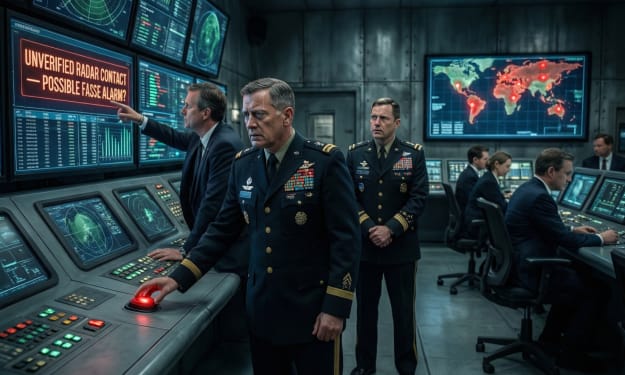
Weak command systems also increase the risk of accidents and false alarms. Modern nuclear forces depend on early warning systems, radar, satellites, and computer networks. These systems are not perfect. They require human judgment to confirm threats. If trained, trusted leaders are missing or under pressure, false alerts may not be handled properly. History has already shown that near-nuclear disasters often came from technical errors, not hostile attacks.
Cybersecurity adds another dangerous layer. Nuclear command networks are high-value targets for cyber interference. If internal discipline and oversight weaken, cyber defenses may suffer. A cyberattack does not need to launch a weapon to cause damage. Disrupting communication or feeding false data during a crisis could push leaders toward dangerous decisions.
Global markets and economies also react to nuclear uncertainty. Investors, energy markets, and trade routes respond quickly to security fears. Even rumors of instability inside a major nuclear power can raise oil prices, weaken currencies, and disrupt supply chains. This means ordinary people—far from any battlefield—feel the consequences.
International institutions face pressure as well. When trust in nuclear stability declines, calls for arms control, inspections, and treaties increase. At the same time, cooperation becomes harder because suspicion grows. Countries may refuse transparency, fearing weakness. This creates a cycle where mistrust feeds silence, and silence feeds mistrust.
Smaller states suffer the most. They have little control over nuclear policies but face the greatest risks. Any nuclear crisis would affect global climate, food systems, and humanitarian conditions. Weak command systems in powerful states therefore represent a global threat, not a local issue.
Some governments argue that internal purges or investigations strengthen control in the long run. That may be true. Removing corruption and enforcing discipline can improve safety over time. But the transition period is risky. Stability during change is just as important as reform itself.
The global lesson is clear: nuclear safety depends more on governance than on weapons. Strong leadership, clear authority, open communication, and professional discipline are essential. Without them, even the most advanced systems become fragile.
In a world already facing conflict, competition, and rapid technological change, weakened nuclear command systems add a dangerous layer of uncertainty. Preventing disaster requires restraint, transparency, and continuous dialogue—not just between nations, but within them.
Global peace does not fail with a single explosion. It fails slowly, through confusion, mistrust, and broken systems. Protecting nuclear command stability is not just a national responsibility—it is a global one.
About the Creator
Wings of Time
I'm Wings of Time—a storyteller from Swat, Pakistan. I write immersive, researched tales of war, aviation, and history that bring the past roaring back to life
Keep reading
More stories from Wings of Time and writers in Criminal and other communities.
Nuclear Command Risks in a Time of Internal Tension
Nuclear Command Risks in a Time of Internal Tension When people think about nuclear power, they often focus on missiles, warheads, and military strength. But the most important part of any nuclear system is not the weapon itself—it is the command structure behind it. Clear leadership, trusted decision-making, and reliable communication are what prevent disasters. When these systems face internal tension, the risks grow quietly but dangerously.
By Wings of Time about 3 hours ago in Criminal
At the Drop of A Hat
On January 15th, 2006, an insult was answered by a bullet. Tempers were hot on that cold winter night in Oklahoma City. Fritzi’s Hip Hop night club was a happening place in the city back in 2006. It was a place that attracted all kinds of interesting and sometimes very dangerous individuals. In this case it had attracted some hurricane survivors. Ok, folks, let me back up and explain a little bit.
By Cassie Moore5 days ago in Criminal


Comments
There are no comments for this story
Be the first to respond and start the conversation.