
Nuclear Command Risks in a Time of Internal Tension
Why leadership stability matters more than weapons in nuclear-armed states

Nuclear Command Risks in a Time of Internal Tension
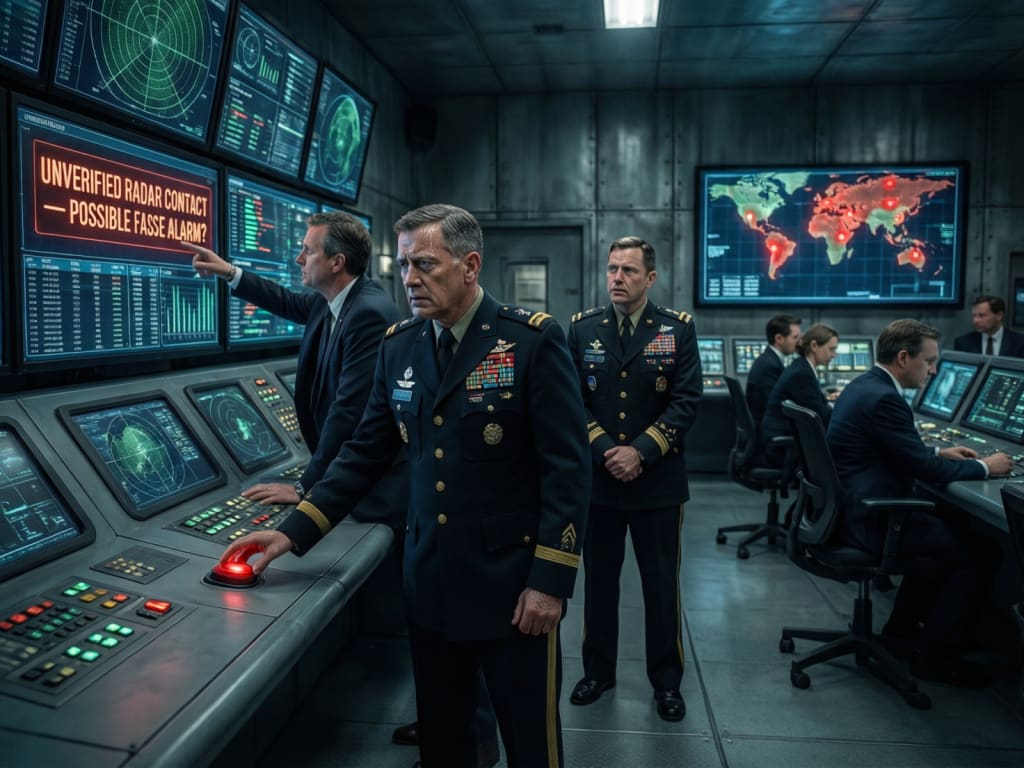
When people think about nuclear power, they often focus on missiles, warheads, and military strength. But the most important part of any nuclear system is not the weapon itself—it is the command structure behind it. Clear leadership, trusted decision-making, and reliable communication are what prevent disasters. When these systems face internal tension, the risks grow quietly but dangerously.
Nuclear weapons are designed never to be used casually. Every nuclear-armed country claims to maintain strict control over launch authority. Decisions are meant to pass through multiple layers of verification, safeguards, and human judgment. This structure exists for one main reason: to prevent mistakes, accidents, or emotional decisions during moments of crisis.
However, when internal problems appear inside a military—such as corruption investigations, leadership removals, or political rivalry—this structure can become stressed. Even if weapons remain secure, uncertainty inside the command chain creates risk. Who is trusted? Who has authority? Who makes the final decision in an emergency? These questions matter deeply in nuclear systems.
Leadership stability is critical. Nuclear command depends on confidence between political leaders, military commanders, and technical operators. If senior officers are removed suddenly or investigated, trust may weaken. Lower-ranking officers may become cautious, confused, or overly defensive in their actions. In extreme cases, hesitation or miscommunication during a crisis could delay or distort decision-making.
Another concern is communication. Nuclear systems rely on secure, fast, and accurate communication networks. Orders must be clear, verified, and understood exactly as intended. Internal tension can disrupt this process. When people fear punishment, investigation, or political consequences, they may avoid taking responsibility or reporting problems. Silence and delay can be just as dangerous as reckless action.
Modern nuclear command systems are also deeply connected to technology. Early warning radars, satellites, cyber networks, and automated systems now play a major role. While technology increases speed and detection, it also increases complexity. Complex systems require skilled, trusted operators. Corruption, fear, or internal instability can reduce system reliability, even if the technology itself is advanced.
Cyber risks add another layer of danger. Nuclear command systems are prime targets for cyber intrusion, misinformation, or disruption. Strong leadership and discipline are essential to protect these systems. If internal tensions weaken oversight or coordination, vulnerabilities can grow. Even false alarms or system errors, if misinterpreted, could escalate a crisis.
History shows that nuclear danger often comes from misunderstanding rather than intention. During the Cold War, several near-disasters occurred because of faulty data or misread signals. These incidents were avoided because individuals trusted their judgment and had clear authority. In an environment of fear or political pressure, such judgment becomes harder.
Internal investigations, such as anti-corruption campaigns, may aim to strengthen control in the long term. Governments often argue that removing corrupt officials makes systems safer. This may be true over time. However, during periods of transition, uncertainty is unavoidable. The international community watches these moments closely, not because war is expected, but because miscalculation becomes more possible.
Global stability depends on confidence that nuclear weapons are under firm, rational control. When leadership appears divided or under stress, rivals may misread signals. Allies may grow uneasy. Silence from official channels can increase speculation. In nuclear politics, perception matters almost as much as reality.
This is why transparency and communication are important. Clear public messaging, stable leadership structures, and continued diplomatic engagement help reduce fear. Even during internal changes, showing that command systems remain intact and professional reassures the world.
The lesson is simple but serious: nuclear safety is not about strength alone. It is about trust, discipline, and calm leadership under pressure. Weapons do not decide when they are used—people do. And when the people responsible for those decisions face uncertainty, the risks increase for everyone.
In a tense global environment, leadership stability is one of the strongest forms of defense. Nuclear peace depends not only on technology and deterrence, but on human judgment, responsibility, and restraint. As history has shown, the greatest nuclear danger often comes not from attack—but from confusion.
About the Creator
Wings of Time
I'm Wings of Time—a storyteller from Swat, Pakistan. I write immersive, researched tales of war, aviation, and history that bring the past roaring back to life
Keep reading
More stories from Wings of Time and writers in Criminal and other communities.
Can Aircraft Carriers Survive the Drone Age?
Can Aircraft Carriers Survive the Drone Age? For more than seventy years, aircraft carriers have stood at the center of global military power. They are mobile airbases, capable of projecting force anywhere on the planet without relying on foreign soil. Their presence alone can alter diplomacy, deter rivals, and reassure allies. But a new challenge is rising—quietly, cheaply, and rapidly. The age of drones is forcing militaries to confront an uncomfortable question: are aircraft carriers becoming vulnerable giants in a world of unmanned warfare?
By Wings of Time 2 days ago in Criminal
📢 Raise Your Voice Thread: 01/22/2026
Our “Raise Your Voice Threads” are hosted most alternating Thursdays at 12PM ET to offer creators more avenues to uncover exceptional stories on Vocal. As we are continuously searching for fresh creators and inspiring stories, this thread provides an opportunity to exchange and discuss the stories that have moved and motivated us on Vocal.
By Raise Your Voice by Vocal7 days ago in Resources



Comments
There are no comments for this story
Be the first to respond and start the conversation.