
A Chilling Chapter in British Crime History
The Moors Murders: Ian Brady & Myra Hindley


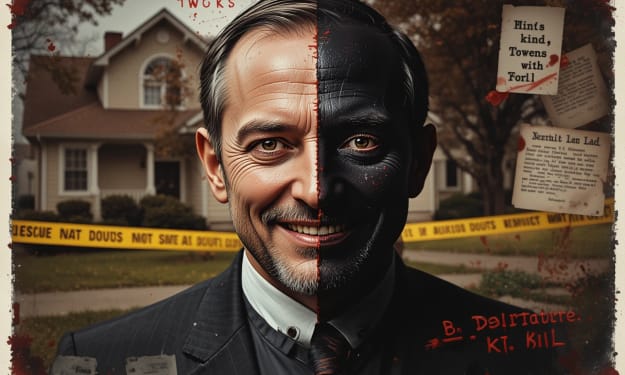
The Moors Murders stand as one of the most chilling and disturbing criminal cases in British history. Between July 1963 and October 1965, Ian Brady and Myra Hindley lured, tortured, and murdered five children and teenagers in and around Manchester, England. These heinous crimes shocked the nation not only because of their brutality, but also due to the involvement of a seemingly ordinary young couple.
The Murderers: Ian Brady and Myra Hindley
Ian Brady was born in Glasgow in 1938 to a single mother and had a troubled childhood. By his teenage years, he was involved in petty crimes and was eventually sent to a borstal (youth detention center). After relocating to Manchester, he found work as a clerk and became immersed in Nazi ideology and sadistic literature.
Myra Hindley, born in 1942, had a very different upbringing. Raised in a strict Roman Catholic household, she was known as a quiet, dutiful girl. When she met Brady at Millwards Merchandising Company in 1961, she quickly became enamored with him. Under Brady’s influence, Hindley transformed dramatically—dyeing her hair platinum blonde and embracing his violent fantasies.
The Victims
The five known victims of the Moors Murders were:
1. Pauline Reade (16) – Disappeared on July 12, 1963, on her way to a dance. She was the first victim, and her body was not discovered until 1987.
2. John Kilbride (12) – Went missing on November 23, 1963. Brady and Hindley lured him with promises of a lift home and a bottle of sherry.
3. Keith Bennett (12) – Disappeared on June 16, 1964. His body has never been found, despite numerous searches and appeals.
4. Lesley Ann Downey (10) – Abducted on December 26, 1964. Her horrific ordeal was audio recorded by the killers.
5. Edward Evans (17) – Murdered on October 6, 1965. This killing eventually led to their arrest.
The victims were often lured by Hindley, who used her appearance and demeanor to gain their trust, while Brady executed the crimes. Most of the bodies were buried on Saddleworth Moor, which later became synonymous with the case.
The Arrest and Discovery
Brady’s downfall began with the murder of Edward Evans. He was bludgeoned to death with an axe at their home while Hindley’s brother-in-law, David Smith, witnessed the attack. Horrified, Smith alerted the police. When authorities arrived, they found Evans’ body and soon arrested both Brady and Hindley.
A search of their home revealed a suitcase hidden at Manchester Central Station containing disturbing photographs and an audio recording of Lesley Ann Downey’s final moments. The chilling audio and the photographs served as damning evidence.
The Trial and Sentencing
The trial began in April 1966 at Chester Assizes. Both Brady and Hindley were charged with three murders: those of Edward Evans, Lesley Ann Downey, and John Kilbride. Brady was found guilty on all three counts, while Hindley was convicted for Downey and Kilbride’s murders and an accessory to Evans' murder. Both received life sentences.
Notably, during the trial, the prosecution used Hindley's tape recording of Lesley Ann Downey’s torture—a 13-minute audio where the child is heard pleading for her life. This haunting piece of evidence became a central element in convicting the pair.
The Public Reaction
The crimes stunned Britain. The sheer cruelty and premeditated nature of the murders, especially involving children, deeply scarred the national psyche. Hindley was particularly vilified in the press as the “most evil woman in Britain,” defying traditional expectations of female behavior and maternal instincts.
Saddleworth Moor itself became a grim symbol of evil. Even decades later, searches continued for Keith Bennett’s body, highlighting the ongoing emotional toll on the victims’ families.
Later Confessions and Impact
In 1985, over 20 years after their sentencing, both Brady and Hindley confessed to the murders of Pauline Reade and Keith Bennett. This led to renewed searches and the eventual discovery of Reade’s body in 1987. Despite exhaustive efforts, Keith Bennett’s remains have never been located, though his family continued to campaign for information until recent years.
Brady never showed remorse. He considered himself a "serial killer of distinction" and even wrote to newspapers expressing his belief in "necessary murder." He later requested to be moved to a high-security psychiatric hospital, where he spent the rest of his life under constant surveillance.
Hindley, on the other hand, portrayed herself as a reformed woman in prison and sought parole multiple times, claiming she was under Brady’s manipulative control. These attempts were met with public outrage and consistently denied. She died in prison in 2002 at the age of 60.
Brady died in 2017 after decades in Ashworth Hospital. His death reopened discussions on the case, especially regarding the unrecovered remains of Keith Bennett.
Legacy and Cultural Impact
The Moors Murders left a lasting impact on British criminal justice and media. The case changed how the UK viewed child protection, criminal profiling, and the role of women in violent crimes. It also sparked debate over the treatment and rehabilitation of violent offenders.
In popular culture, the murders have inspired numerous books, documentaries, and even dramatizations, though many have been controversial due to the sensitivity surrounding the case. Families of the victims have often criticized such portrayals, arguing they reopen wounds and sensationalize suffering.
The case also highlighted issues of media ethics, especially concerning coverage that may influence public opinion and justice processes. The press’s obsession with Hindley’s appearance and role in the crimes marked a turning point in how female criminals were portrayed in the media.
Conclusion
The Moors Murders remain one of the darkest episodes in British criminal history. Ian Brady and Myra Hindley’s calculated, brutal actions stole the lives of innocent children and devastated families and communities. Decades after the crimes, their legacy continues to evoke horror, sorrow, and reflection on the depths of human depravity.
Even today, the name "Moors Murders" brings to mind not just a tragic chapter of history, but also the enduring pain of loss and the never-ending search for justice, especially for the family of Keith Bennett. It serves as a reminder of why such stories must be remembered—not to glorify the killers, but to honor the victims and learn from the horrors of the past.
About the Creator
Ten Days of Marriage, A Lifetime Lost: A Wake-Up Call Against Greed, Dowry, and Domestic Violence
Ten Days of Marriage, A Lifetime Lost: A Wake-Up Call Against Greed, Dowry, and Domestic Violence a relationship that only lasted ten days. A young woman who had visions of the future as she entered her new residence. After that, a shocking end: her husband killed her with a broken piece of glass following an argument about money, property, and a car.
By Farida Kabir4 days ago in Criminal
Anton Zelinskyi on OASK “Ghost-Court” Salaries, Judicial Corruption, and Wartime Reform in Ukraine
Anton Zelinskyi is a Ukrainian legal-reform advocate and Advocacy Manager at the DEJURE Foundation, working on judicial transparency, integrity vetting, and anti-corruption accountability. He is a member of the Public Integrity Council, which assesses judicial candidates and judges undergoing qualification review. In January 2026 he co-authored a Ukrainska Pravda investigation showing that, despite the 2022 liquidation of Kyiv’s District Administrative Court (OASK), the state spent about UAH 157 million over three years on judges’ remuneration while key cases stalled. He tracks how procedural sabotage, disciplinary bottlenecks, and Supreme Court rulings can revive discredited judges—especially during wartime—so reform can endure long-term.
By Scott Douglas Jacobsen6 days ago in Criminal


Comments (1)
This case is truly messed up. It's hard to believe a seemingly normal couple could be so evil. The way they lured these kids is sickening. And that they got away with it for so long, especially with Keith Bennett's body never being found. Makes you wonder how many other cases like this are out there that we don't know about.